By Fakhar e Alam PESHAWAR, Feb 26 (APP):As the call for Maghrib prayer prepares to echo across Mohib Banda in Nowshera district, a familiar sight makes its way toward the village mosque — a steaming daig of rice carried with devotion and quiet resolve for Iftar of poor and elderly people. For former Primary School Teacher (PST) Riaz Khan (63), this is not merely an act of charity but a …
PST teacher continues father’s legacy by distributing cooked rice among poor at Iftar in Nowshera
By Fakhar e Alam
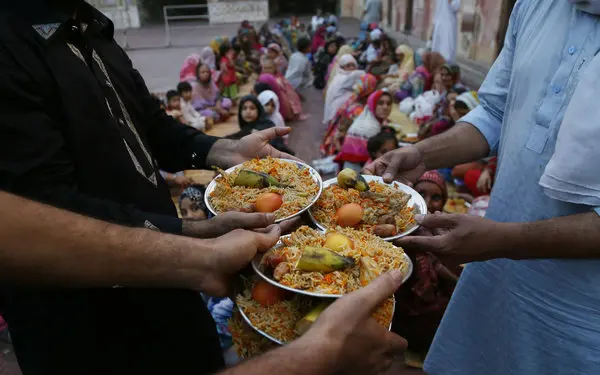
PESHAWAR, Feb 26 (APP):As the call for Maghrib prayer prepares to echo across Mohib Banda in Nowshera district, a familiar sight makes its way toward the village mosque — a steaming daig of rice carried with devotion and quiet resolve for Iftar of poor and elderly people.
For former Primary School Teacher (PST) Riaz Khan (63), this is not merely an act of charity but a living tribute to his late father, Mazharul Haq who died due to cardiac arrest.
“When I was a child, my loving father would bring cooked rice to this same mosque Taray for villagers and the elderly to break their fast,” Riaz recalled, his voice trembling with emotion.
“After his untimely death due to a heart attack, I decided to continue this noble tradition every Ramazan for the reward of his departed soul.”
Each evening during the holy month, Riaz carries the large pot (daig) of cooked rice to the mosque in Mohib Banda, ensuring that poor and deserving villagers have something warm to eat at Iftar.
For him, it is both a sacred duty and a deeply personal remembrance during a month of compassion and sacrifice.
Ramazan, the ninth holy month of the Islamic calendar, is a time of fasting, reflection and generosity for Muslims around the world.
From dawn to dusk, believers abstain from food and drink, practicing self-discipline and empathy for the less fortunate.
“Ramazan teaches us patience, sacrifice and care for the underprivileged,” said Muhammad Tayyab Qureshi, Chief Khatteeb of Khyber Pakhtunkhwa while talking to APP.
He explained that the concept of Sabr (patience) is emphasized repeatedly in the Holy Quran, underscoring its importance in a believer’s life.
“Allah Almighty is with those who are patient. Enduring hardship with faith brings immense rewards in this world and the hereafter,” he reiterated.
According to him, the first Ashra (ten days) of Ramazan is for seeking mercy, the second for forgiveness, and the third for salvation from hellfire.
The blessed night of Laylatul Qadr, falling in the last Ashra, holds unmatched spiritual significance for the believers.
Beyond its spiritual dimension, Ramazan also nurtures emotional and psychological well-being.
Eminent psychiatrist Prof. Dr. Khalid Mufti, former Principal of Khyber Medical College Peshawar, said research has shown that fasting fosters tolerance, compassion and empathy.
“Ramazan helps individuals manage anxiety, depression and even hypertension. It promotes self-control and reduces anger and impulsive behavior,” he explained.
He added that patience and generosity strengthen self-esteem and improve social relationships qualities that extend well beyond the holy month.
Across Peshawar and other districts of Khyber Pakhtunkhwa, the spirit of Ramazan is reflected in numerous community Iftars, attracting people of all faiths.
At the historic Qissa Khwani Bazaar, Shahid Khan alias Lala has been arranging an Iftar Dastarkhwan for the past 12 years. His iftar Dastarkhwan welcomes not only fasting Muslims but also members of minority communities and ethnic diversity.
“The Dastarkhwan will continue till Chand Raat,” he said with pride, describing the inner peace he derives from serving others. Interfaith harmony also shines during the holy month.
Jatinder Singh, Chairman of the KP chapter of the National Peace Council for Interfaith Harmony, said that Sikh community members regularly organize Iftar gatherings for their Muslim brothers especially in the last ten days of Ramazan.
“Our forefathers did the same to express love and friendship,” he said. “Without winning hearts and minds, we cannot build a society where everyone enjoys equal rights and respect,” he opined.
Religious scholars and social leaders emphasized that Ramazan is an opportunity to extend meaningful support to the needy, widows and orphans whether through direct assistance like Riaz Khan’s rice distribution or by donating to reputable charitable organizations.
For Riaz, however, the reward lies not in recognition but in continuity for the service of poor people to seek forgiveness and countless blessings.
As villagers gather at the Taray mosque and plates of rice are shared among fasting laborers, farmers, elderly residents and children, the legacy of Mazharul Haq lives on not in monuments or memorials, but in warm meals and grateful prayers.
In the fading light of sunset, as hands rise in prayers for mercy and forgiveness before breaking the fast, a son’s devotion transforms a simple daig of rice into a powerful symbol of faith, remembrance and enduring compassion.