FAISALABAD, Feb 25 (APP): Dean Faculty of Food Nutrition & Home Sciences University of Agriculture Faisalabad (UAF) Dr Imran Pasha has said that as the global textile industry faces increasing pressure to reduce its environmental footprint, it is imperative for businesses, policymakers and consumers to adopt sustainable practices that promote resource efficiency and increase production. Addressing a seminar on “Sustainable Fashion Practices” at UAF, he said that sustainability must go …
Sustainable practices imperative to increase production: Dr Imran Pasha
FAISALABAD, Feb 25 (APP): Dean Faculty of Food Nutrition & Home Sciences University of Agriculture Faisalabad (UAF) Dr Imran Pasha has said that as the global textile industry faces increasing pressure to reduce its environmental footprint, it is imperative for businesses, policymakers and consumers to adopt sustainable practices that promote resource efficiency and increase production.
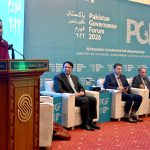
Addressing a seminar on “Sustainable Fashion Practices” at UAF, he said that sustainability must go hand in hand to transform the fashion industry.
He said that adopting biodegradable fabrics, reducing water consumption and ensuring fair labor practices are essential steps toward responsible production.
He further emphasized that academic institutions should collaborate with industry stakeholders to develop practical solutions that align economic growth with environmental preservation.
Director Institute of Home Sciences Dr Beenish Israr said that the purpose of the seminar was to create awareness about eco-friendly production methods, ethical sourcing and waste reduction in the fashion sector.
She emphasized that the fashion industry significantly impacts the environment and stressed the need to adopt sustainable practices to ensure a greener future. Universities must play a proactive role in promoting research and innovation in sustainable textiles, she added.
Dr Sadaf Iqbal said that sustainable fashion is not merely a trend but a necessity to combat climate change and environmental degradation.
She highlighted the importance of recycling and upcycling in reducing textile waste. She remarked that consumers also share responsibility by choosing durable and ethically produced garments.
Dr Hira Iftikhar said, “By integrating indigenous techniques with sustainable technologies, we can create a unique Pakistani fashion identity that is both globally competitive and environmentally conscious.”
Dr Muhammad Mohsin, Dr Hammad Majeed, Dr Zafar Javed and Najma Shaheen noted that by adopting appropriate policies and research support, Pakistan can lead in sustainable textile innovation.