
ISLAMABAD, Feb 24 (APP):The Supreme Court of Pakistan has dismissed more than 60 review petitions filed in a case concerning the casting vote of the Chairperson of the Competition Commission, holding that written judicial directions cannot be altered on the basis of any alleged oral consensus and that the power of review is of a limited nature. According to the detailed judgment approved for reporting, a two-member bench comprising Justice …
Written judicial directions cannot be altered on basis of alleged verbal consensus: SC
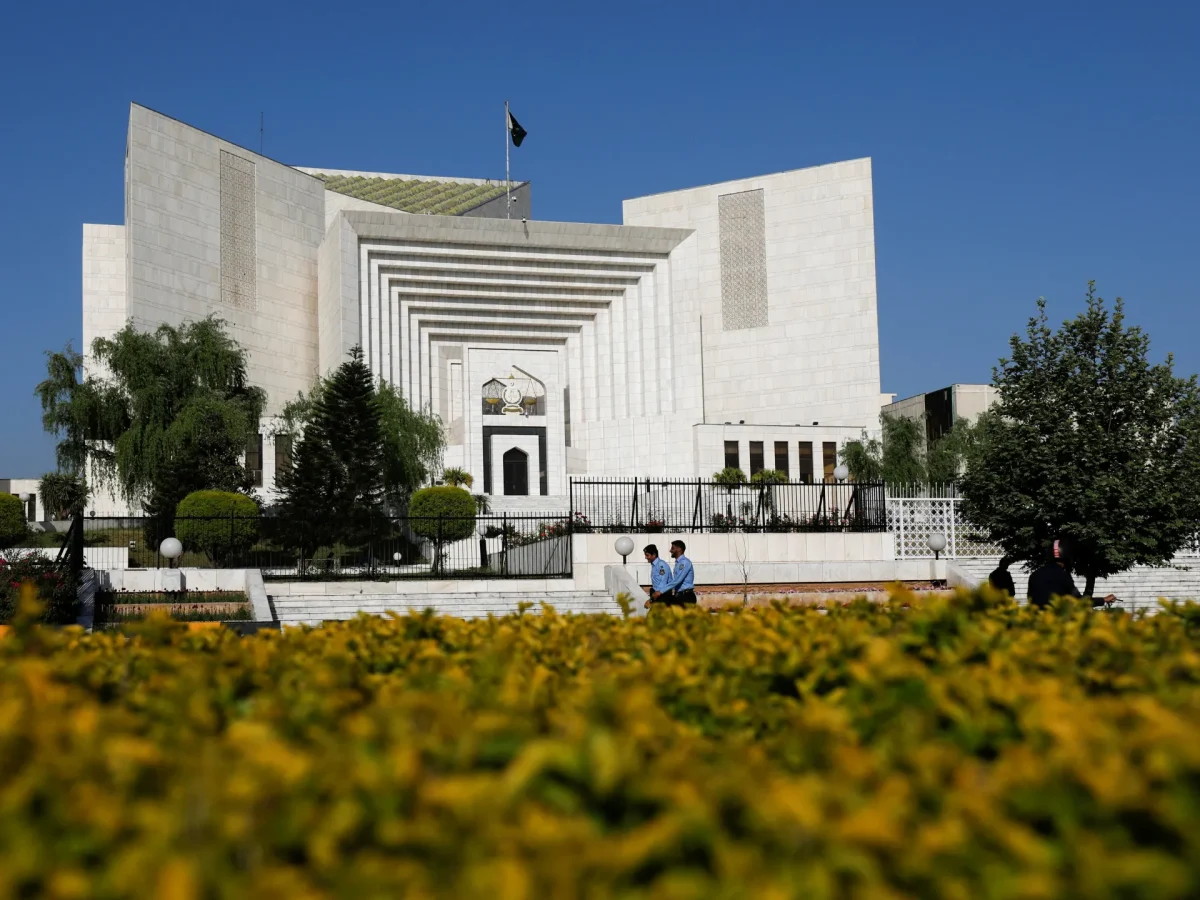
ISLAMABAD, Feb 24 (APP):The Supreme Court of Pakistan has dismissed more than 60 review petitions filed in a case concerning the casting vote of the Chairperson of the Competition Commission, holding that written judicial directions cannot be altered on the basis of any alleged oral consensus and that the power of review is of a limited nature.
According to the detailed judgment approved for reporting, a two-member bench comprising Justice Shahid Bilal Hassan and Justice Shakeel Ahmad, through a short order reserved on January 15, 2026, dismissed all the civil review petitions.
The Court condoned a delay of 20 days in the filing of certain petitions and declared them maintainable, but rejected all the petitions on merits.
The background of the case relates to proceedings against sugar mills before a four-member bench of the Competition Commission of Pakistan, where a split decision emerged.
The Chairperson concurred with one member in holding the mills guilty and imposing penalties, while the other two members set aside the show-cause notice and remanded the matter for fresh inquiry. Subsequently, the Chairperson exercised a casting vote under Section 24(5) of the Competition Act, 2010 to break the deadlock.
Aggrieved parties approached the Competition Appellate Tribunal, which in its judgment dated May 21, 2025, held that in proceedings of a judicial nature, the Chairperson did not possess the authority to exercise a casting vote, and accordingly set aside the order dated August 13, 2021.
Later, in its judgment dated September 18, 2025, the Supreme Court upheld the Tribunal’s view that the exercise of a casting vote was contrary to Article 10-A of the Constitution, but remanded the matter back to the Tribunal for further proceedings.
In the review petitions, it was contended that the Supreme Court had allegedly remanded the case to the Tribunal on the basis of a consensus between the parties, whereas the actual agreement was to send the matter back to the Commission. In its latest ruling, the Court observed that the judgment dated September 18, 2025 contained no reference to any such consensus, reiterating that courts speak through their written judgments and not on the basis of alleged oral statements.
The judgment emphasized that the scope of review jurisdiction is extremely limited and cannot be treated as a substitute for an appeal. If the Court has rendered a conscious and explicit decision on a matter, it cannot be altered merely on the ground that another view was also possible. The Court further held that remanding the case to the Tribunal was a considered judicial determination, not a clerical or technical error.
The Supreme Court concluded that since the alleged oral consensus was not recorded in the judgment and was denied by the opposing parties, it constituted a disputed question of fact which could not be examined within the limited scope of review jurisdiction.
All review petitions were dismissed without any order as to costs, and the judgment was approved for reporting.