ISLAMABAD, Feb 23 (APP): The Supreme Court of Pakistan has ruled that suspension is not equivalent to dismissal or termination of service, and therefore a suspended civil servant is entitled to full salary, allowances, and other service benefits during the suspension period. According to the detailed written judgment approved for reporting, the Court dismissed the appeal filed by the federal department and upheld the decision of the Tribunal. The ruling …
Suspended civil servant entitled to full salary and benefits, supreme court dismisses FBR appeal
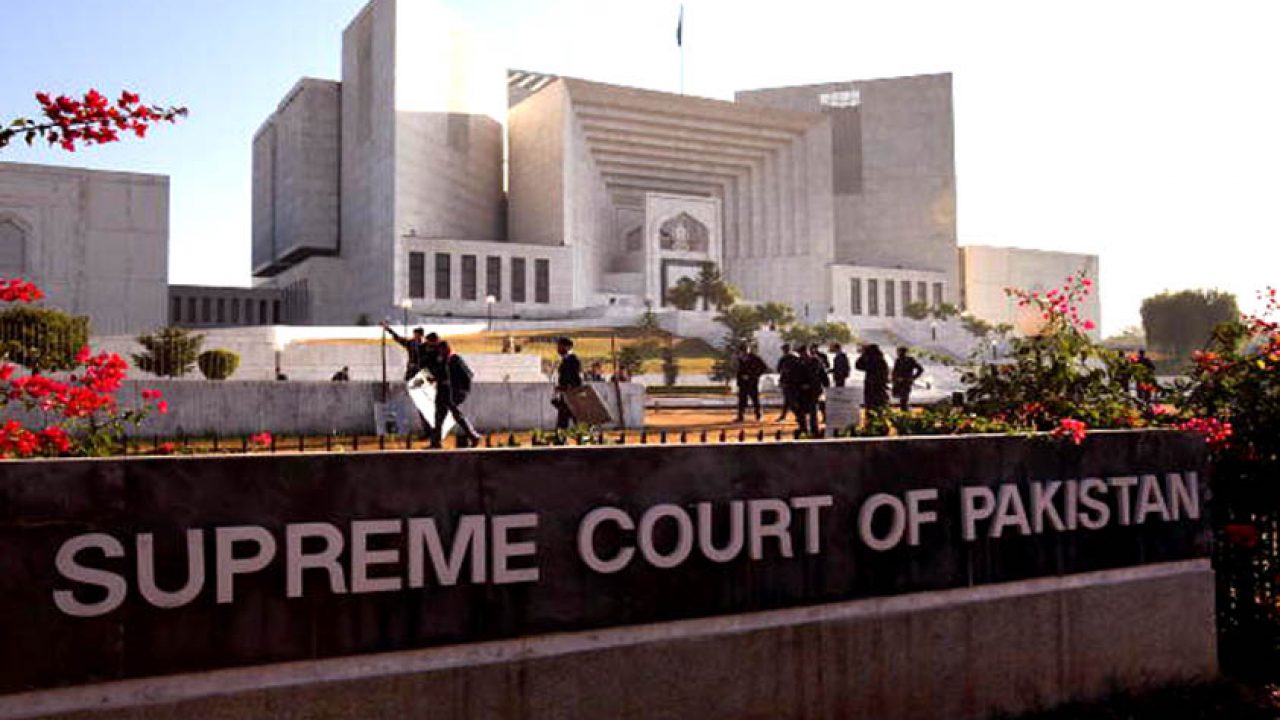
ISLAMABAD, Feb 23 (APP): The Supreme Court of Pakistan has ruled that suspension is not equivalent to dismissal or termination of service, and therefore a suspended civil servant is entitled to full salary, allowances, and other service benefits during the suspension period.
According to the detailed written judgment approved for reporting, the Court dismissed the appeal filed by the federal department and upheld the decision of the Tribunal.
The ruling was issued by a two-member bench comprising Justice Shahid Bilal Hassan and Justice Shakeel Ahmad after hearing Civil Petition.
The case was filed by the Federal Board of Revenue (FBR), challenging the September 2, 2025 decision of the Federal Service Tribunal. The Tribunal had modified the departmental order and held that under Fundamental Rule 53, a suspended employee is entitled to full salary and allowances. It further ruled that no recovery of payments made during the suspension period could be effected unless the suspension order was formally withdrawn.
According to the Court order, Respondent No. 1, who had been serving as a Senior Clerk/Inspector, sought retirement after completing more than 31 years of qualifying service due to prolonged illness. However, the department did not act on his request. He was subsequently directed to appear before a medical board, which declared him medically unfit for further service due to multiple ailments. On July 12, 2024, he was compulsorily retired. The department also treated the suspension period as extraordinary leave without pay and ordered recovery of salary and benefits paid during that time.
The Supreme Court observed that suspension is an interim measure that does not terminate the contract of employment but merely suspends the performance of duties temporarily. As long as the employment contract subsists, the rights arising from it — including the right to full salary — remain intact. The Court held that withholding or recovering salary without clear legal justification is contrary to law and principles of justice.
It noted that financial deprivation without proven misconduct is against the demands of justice.
The Court concluded that the Tribunal’s decision was lawful and required no interference. Accordingly, the appeal was dismissed. No order as to costs was made.