By Fakhar e Alam PESHAWAR, Feb 23 (APP):As millions of Muslims around the world observe holy Ramazan, the days of fasting and nights of prayer offer more than spiritual rewards for the fasting people. For many in Khyber Pakhtunkhwa, this sacred month has become a powerful turning point by providing a rare and golden opportunity to break free from life-threatening addictions such as smoking, naswar, heroin, and hashish. Medical experts …
Ramazan: A sacred month provides best chance to quit smoking and drugs
By Fakhar e Alam
PESHAWAR, Feb 23 (APP):As millions of Muslims around the world observe holy Ramazan, the days of fasting and nights of prayer offer more than spiritual rewards for the fasting people.
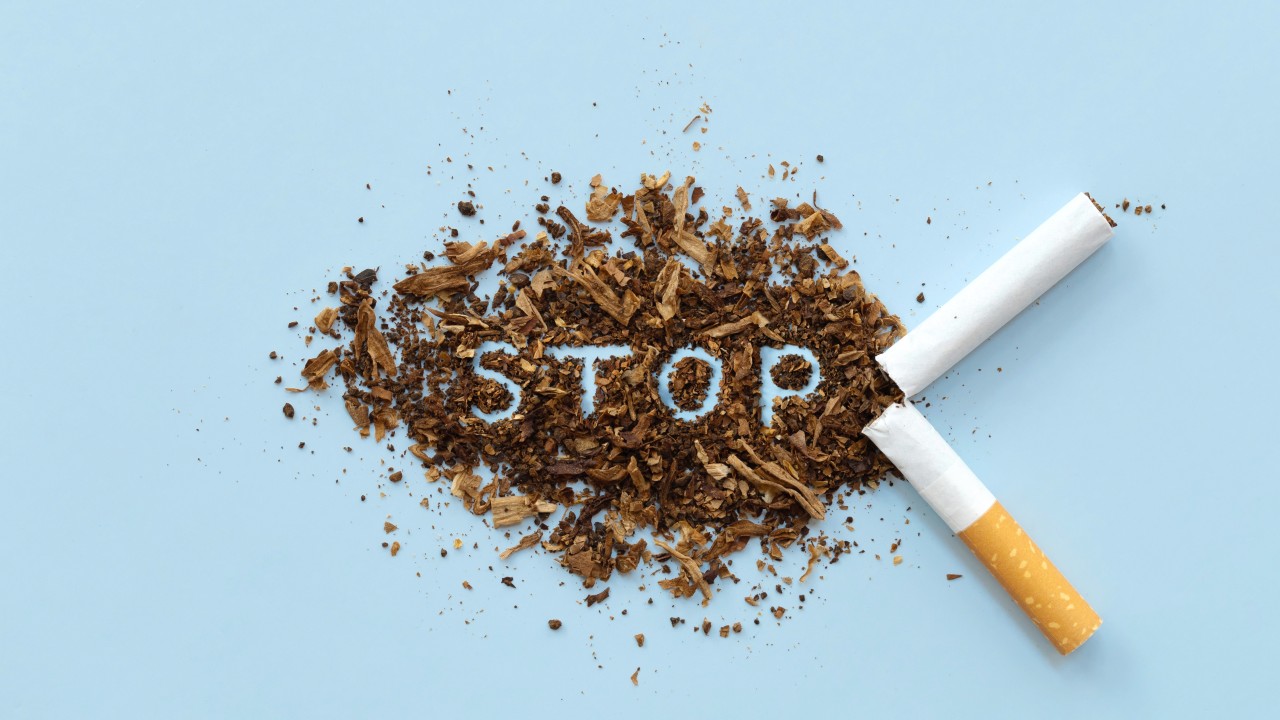
For many in Khyber Pakhtunkhwa, this sacred month has become a powerful turning point by providing a rare and golden opportunity to break free from life-threatening addictions such as smoking, naswar, heroin, and hashish.
Medical experts said that the physical discipline of fasting can support those trying to quit addictive substances such as cigarettes and naswar.
Prof Dr. Malik Riaz, a medical specialist at Government Hospital Pabbi, Nowshera, explained that prolonged abstinence from food, water, and tobacco during daylight hours initiates a detoxification process in the body.
“When the body goes without food and water for extended periods, it begins cleansing itself. This natural detox makes it easier for individuals to reduce dependency on nicotine and other harmful substances,” he said.
During Ramazan, smokers and naswar users are compelled to abstain for over 12 hours daily. Coupled with the spiritual motivation to maintain purity and self-control, many find the strength to permanently abandon harmful habits.
Health professionals emphasized that Ramazan promotes a holistic reset by strengthening both physical endurance and mental resilience.
For 28-year-old Khayam Khan from Nowshera, this Ramazan marked a life-changing milestone for him. Addicted to naswar since 2018, a habit he picked up during the stress of his MA examinations, Khayam had tried several times to quit but relapsed each time. The consequences were severe as continuous use damaged his teeth, ultimately leading to the loss of one tooth.
“I have already lost a tooth due to continuous use of naswar, and I am relieved that I have quit this harmful habit during Ramazan,” he shared.
Beyond physical harm, Khayam said the addiction affected his confidence and social life. The frequent spitting associated with naswar use became a source of embarrassment in professional settings.
This Ramazan, however, spiritual commitment and determination helped him succeed where previous attempts had failed.
Dental experts warned that Khayam’s case is far from isolated. Dr. Tahir Khan, a senior dental surgeon, explained that naswar causes extensive oral damage, gum infections, jaw complications, tooth decay, and in severe cases, facial disfigurement.
He said Pakistan records approximately 11,000 new cases of lip and oral cavity cancers annually among men, making it one of the most common cancers in the country.
Tobacco products, including naswar and cigarettes, remain a leading cause. Naswar — a moist smokeless tobacco prepared from fresh tobacco leaves mixed with chemicals remains widely used in Khyber Pakhtunkhwa.
Health officials estimate that nearly 70 percent of the population in certain areas consume it, often unaware of the long-term health risks including cancer, heart disease, and respiratory illnesses.
Despite its health costs, the naswar trade continues to thrive, particularly in districts such as Dera Ismail Khan, Bannu, and Mardan, with products reaching markets in Punjab and Sindh.
Dr. Tahir said Ramazan provides a golden opportunity to get rid of naswar, cigarettes and drugs addictions
Recognizing the growing public health challenge, the provincial government has established 12 detoxification and rehabilitation centers across Khyber Pakhtunkhwa. Under the drugs free Peshawar initiative, individuals addicted to narcotics and naswar receive counseling, treatment, and social reintegration support.
Syed Imran Shah, Director of the Social Welfare Department, emphasized the need for stronger awareness campaigns, urging religious scholars to create awareness against drug addiction.
He called on religious scholars, civil society members, and media outlets to actively educate communities about the dangers of naswar and drug use, particularly during Iftar and sehri when spiritual receptivity is at its peak.
Experts agreed that Ramazan provides a unique psychological and emotional advantage. The structured routine of fasting, increased prayer, family support, and community engagement creates an environment conducive to behavioral change.
For smokers lighting fewer cigarettes at iftar, for naswar users resisting the urge after sunset, and for drug users seeking rehabilitation, this month becomes more than a religious obligation it becomes a lifeline.
As Khayam’s journey shows, quitting is never easy but with faith, discipline, and support, it is possible.
Ramazan reminds believers that self-control is not merely about abstaining from food and drink rather it is about reclaiming control over one’s life.
And for many across Khyber Pakhtunkhwa, this holy month is not just about fasting but it is about freedom from narcotics use.