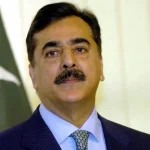
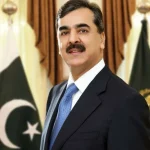
ISLAMABAD, Feb 21 (APP): Deputy Chairman Senate, Syedaal Khan Nasar on Saturday that a mother language forms the intellectual foundation, cultural identity, and historical continuity of any nation. In his message on the occasion of International Mother Language Day, he stated that language is not merely a means of communication but a custodian of a nation’s collective consciousness, values, traditions, and cultural heritage. He noted that the preservation of mother …
Syedaal highlights importance of mother languages
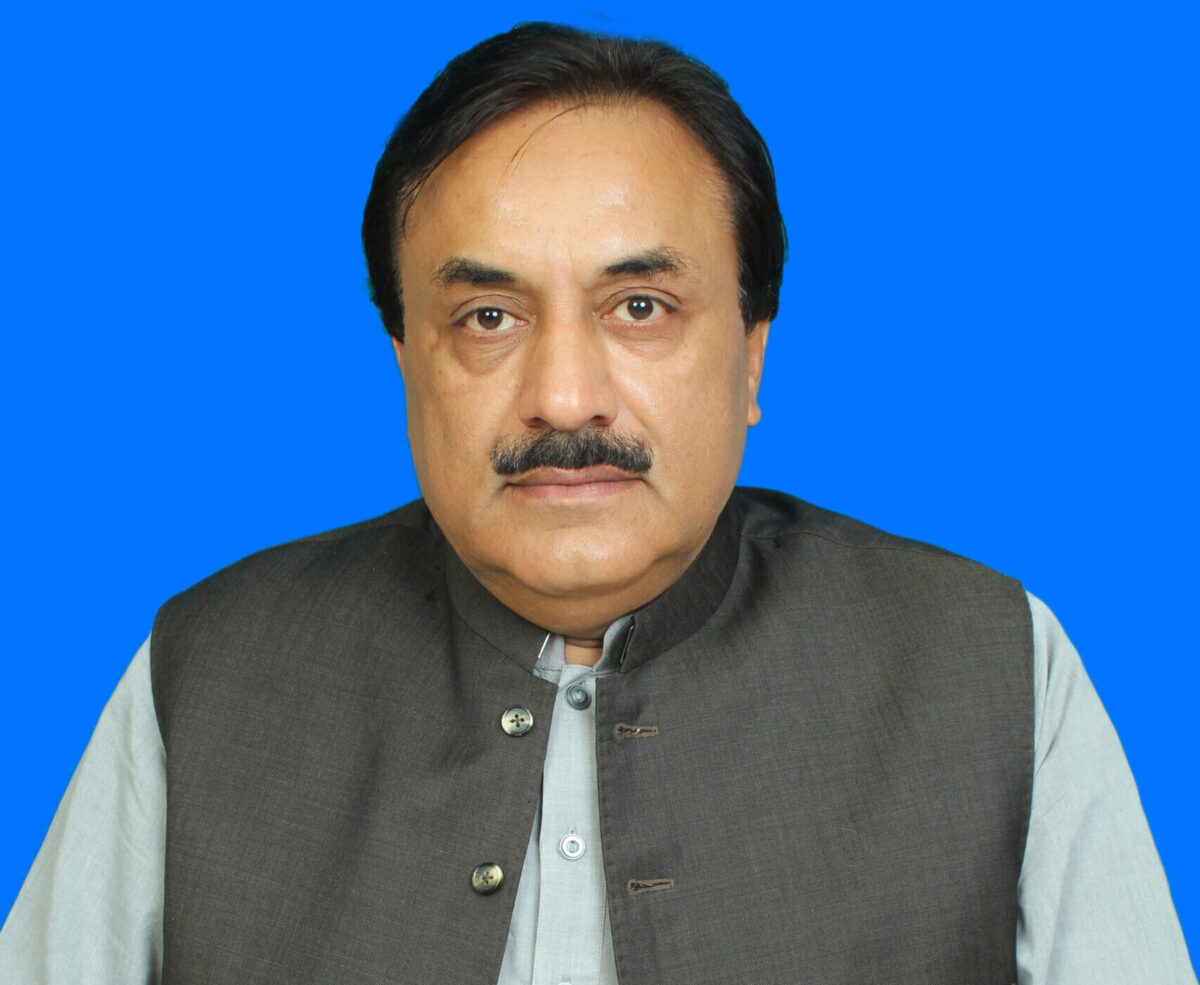
ISLAMABAD, Feb 21 (APP): Deputy Chairman Senate, Syedaal Khan Nasar on Saturday that a mother language forms the intellectual foundation, cultural identity, and historical continuity of any nation.
In his message on the occasion of International Mother Language Day, he stated that language is not merely a means of communication but a custodian of a nation’s collective consciousness, values, traditions, and cultural heritage.
He noted that the preservation of mother languages is, in essence, the preservation of national identity and cultural sovereignty.
The Deputy Chairman highlighted that educational experts and researchers have consistently shown that early childhood education in the mother tongue significantly enhances cognitive development, comprehension, and creative abilities.
Children instructed in their native language tend to perform better academically and maintain a stronger connection with their cultural and social values.
He observed that Pakistan represents a rich tapestry of linguistic and cultural diversity. Languages such as Punjabi, Sindhi, Pashto, Balochi, Saraiki, Brahui, Hindko, Shina, Balti, Khowar, Kashmiri, and many others are spoken across the country.
These languages are invaluable components of the nation’s identity and serve as repositories of history, folklore, Sufi poetry, and literary heritage. While Urdu, as the national and link language, plays a vital role in strengthening unity among the federating units, he underscored that all languages spoken in Pakistan deserve equal respect, recognition, and institutional support.
Syedaal Khan Nasar further noted that Pakistan’s mother languages have produced eminent poets, writers, intellectuals, and scholars whose works have brought national and international acclaim. The literary and intellectual wealth embedded in these languages serves as a guiding light for future generations.
He stressed that, in view of modern challenges and technological advancements, promoting mother languages on digital platforms and in educational systems is essential. Ensuring their inclusion in curricula, research, publications, and media will help safeguard the country’s rich linguistic heritage.
Reaffirming Parliament’s commitment, the Deputy Chairman stated that legislative and practical measures to protect, preserve, and promote mother languages will continue to receive full support, aiming to transform linguistic diversity into a source of national unity, harmony, and mutual respect.
He urged citizens to take pride in their mother tongues, encourage their use at home and in schools, and ensure that younger generations remain firmly connected to their cultural roots, noting that strong languages are the foundation of strong nations.