ISLAMABAD, Feb 16 (APP):Federal Minister for Finance and Revenue, Senator Muhammad Aurangzeb said here on Monday that financial losses of the State-Owned Enterprises (SOEs) have steadily declined over the past three years, falling by Rs74 billion during the period as part of the government’s ongoing reform and restructuring efforts. In a televised media message, the minister while commenting on the Federal State-Owned Enterprises (SOEs) Annual Aggregate Report for FY2025, said …
SOEs losses declining gradually; go down by Rs.74 billion: Finance Minister
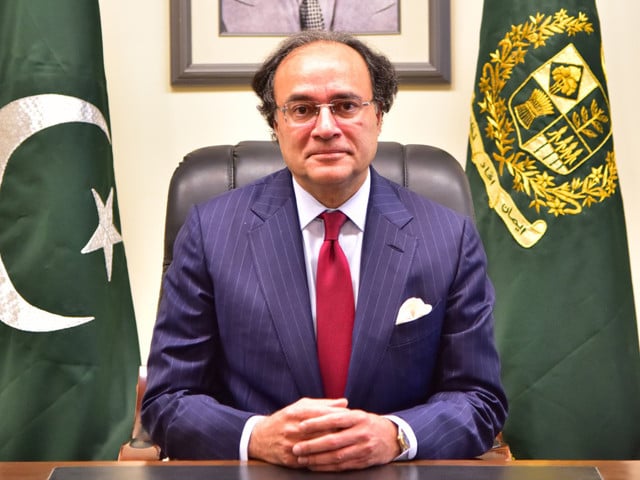
ISLAMABAD, Feb 16 (APP):Federal Minister for Finance and Revenue, Senator Muhammad Aurangzeb said here on Monday that financial losses of the State-Owned Enterprises (SOEs) have steadily declined over the past three years, falling by Rs74 billion during the period as part of the government’s ongoing reform and restructuring efforts.
In a televised media message, the minister while commenting on the Federal State-Owned Enterprises (SOEs) Annual Aggregate Report for FY2025, said the losses of SOEs stood at Rs. 905 billion in 2023, Rs. 851 billion in 2024 and Rs.832 billion last year. “So over the last three years, the losses have declined by approximately by Rs.74 billion… approximately Rs.142 million per day (we) saved over the period,” he remarked.
The minister emphasized that the fiscal picture surrounding SOEs was not one-sided adding that it was important to understand that while the government has had to support these entities financially, there has been a substantial return in the form of taxes and dividends.
Illustrating the balance between outflows and inflows, the minister said, in 2023, the government provided an outflow of 2.078 trillion rupees in support of SOEs, however, in the same year, it received inflows of 2.119 trillion rupees, primarily from taxes, dividends and markups paid. He said, it was around Rs.40 billion positive inflow.
He clarified that these losses were accumulating since decades and outlined key steps taken by the government to improve transparency and governance.
The Minister further acknowledged that while some profitable companies, such as those in the oil and gas sector, continued to remain profitable, their profits had decreased due to global factors such as falling oil prices. Despite these challenges, operational improvements have been observed in many sectors.
To reduce the fiscal burden, the government has also undertaken steps to close down non-performing entities, including the Utility Stores Corporation and PASCO, and the government was actively pursuing a policy of rightsizing and privatization of underperforming SOEs to ensure better use of public resources.
He emphasized the continued commitment to privatizing state-owned entities, citing the privatization of the First Women Bank and the ongoing privatization process of PIA, with plans for the transfer of control to private sector sponsors by April.
Additionally, discussions on the privatization of ZTBL and HBFC are also in process.
As the government moves forward with its privatization agenda, Senator Aurangzeb assured the public that transparency and efficiency would remain at the forefront of these efforts.
He said, the government was also requesting business plans from SOEs and evaluating them to ensure a forward-looking approach. He said the government’s aim was not only to monitor past performance but also to guide SOEs towards better management and long-term sustainability.
This is a step toward not just reducing government involvement in inefficient enterprises, but also ensuring that these entities can operate more effectively in the private sector, he added.
With these measures in place, Aurangzeb expressed confidence that the financial situation of SOEs would continue to improve, ensuring that the government’s financial support to these entities becomes less burdensome over time.
He said, the reforms introduced by the government were working, adding the future would see even more improvement as efforts continue to privatize underperforming SOEs and enhance the financial health of state-run institutions.
He clearly indicated that the government was committed to bringing greater transparency and accountability to the management of SOEs, while also ensuring that the financial burden on taxpayers is reduced in the long term.
As the country moves forward with its economic reforms, the ongoing decline in SOE losses and the increasing inflow from these enterprises reflect a promising future for Pakistan’s state-owned sector.