LAHORE, Feb 13 (APP): Punjab Chief Minister Maryam Nawaz Sharif has declared that no citizen of the province should be compelled to travel to another city for essential medical treatment, emphasizing that saving a single life carries the moral weight of saving all humanity. She made these remarks while addressing a high-level conference of Chief Executive Officers (CEOs) and Medical Superintendents (MSs) of public hospitals from across Punjab. During the …
CM Maryam announces sweeping hospital reforms
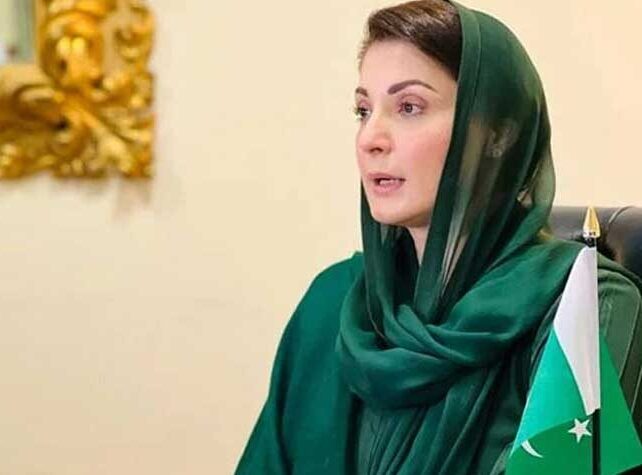
LAHORE, Feb 13 (APP): Punjab Chief Minister Maryam Nawaz Sharif has declared that no citizen of the province should be compelled to travel to another city for essential medical treatment, emphasizing that saving a single life carries the moral weight of saving all humanity.
She made these remarks while addressing a high-level conference of Chief Executive Officers (CEOs) and Medical Superintendents (MSs) of public hospitals from across Punjab.
During the conference, the Chief Minister administered a solemn pledge to participants, committing them to zero tolerance for corruption and unwavering dedication to public service. She simultaneously unveiled a comprehensive package of reforms aimed at strengthening governance, enforcing accountability, and improving service delivery in public healthcare facilities.
Maryam Nawaz Sharif underscored that CEOs and Medical Superintendents carry greater responsibility than ministers or secretaries in translating policies into tangible results on the ground. She noted that public hospitals primarily serve poor and vulnerable communities and described patient care as a sacred trust. Expressing concern over negligence, she cited reports of doctors and nurses using mobile phones during duty hours, warning that such distractions could endanger lives.
To ensure strict oversight, emergency wards across the province have been integrated with the Safe City camera network, while stringent restrictions on mobile phone use by medical staff during duty hours have been enforced.
Highlighting increased investment in healthcare, the Chief Minister stated that Punjab’s health budget has risen significantly from Rs399 billion to Rs630 billion, stressing that the enhanced allocation must translate into visible improvements for patients. She added that more than 1,500 new doctors have recently joined public hospitals and that Rs22 billion in long-pending dues have been cleared to ensure uninterrupted supply of essential medicines.
She directed hospital administrations to guarantee the continuous availability of medicines, functional medical equipment, strict cleanliness standards, and improved patient management systems, including color-coded triage bays in emergency departments. Pharmaceutical representatives have been barred from entering hospital premises to eliminate potential conflicts of interest, while vigilance teams are actively monitoring facilities across all districts.
The Chief Minister also approved several structural reforms, including the deployment of Monitoring and Evaluation Assistants in hospitals, full digitalization of health facilitation and administrative operations, appointment of dedicated administrators and procurement officers, and introduction of Key Performance Indicators (KPIs) to assess the performance of CEOs and MSs. A revamped Performance Evaluation Report system has been implemented to monitor doctors’ performance, and district as well as tehsil hospitals have transitioned to a paperless working environment.
She further directed that on-call doctors must reach hospitals within 20 minutes during emergencies and commended ministers, secretaries, and health department teams for achieving a reduction in maternal mortality rates across Punjab.
Concluding her address, Maryam Nawaz Sharif said hospital leadership positions are not privileges but a profound public trust. She urged CEOs and Medical Superintendents to remain closely connected with patients, understand their suffering firsthand, and deliver meaningful improvements in healthcare services.
The Chief Minister’s directives reflect the Punjab government’s ongoing drive to modernize the health sector, strengthen transparency, and ensure accessible, dignified, and timely medical care for every citizen of the province.