
ISLAMABAD, Feb 11 (APP): President Asif Ali Zardari reaffirmed Pakistan’s commitment to promoting peace, tolerance and mutual respect and to addressing the root causes that led to radicalization and violence. “Violent extremism is a grave violation of human dignity and an affront to the universal values of justice, compassion and human rights,” the president said in a message on the occasion of the ‘International Day for the Prevention of Violent …
President reaffirms Pakistan’s commitment to promoting peace, tolerance
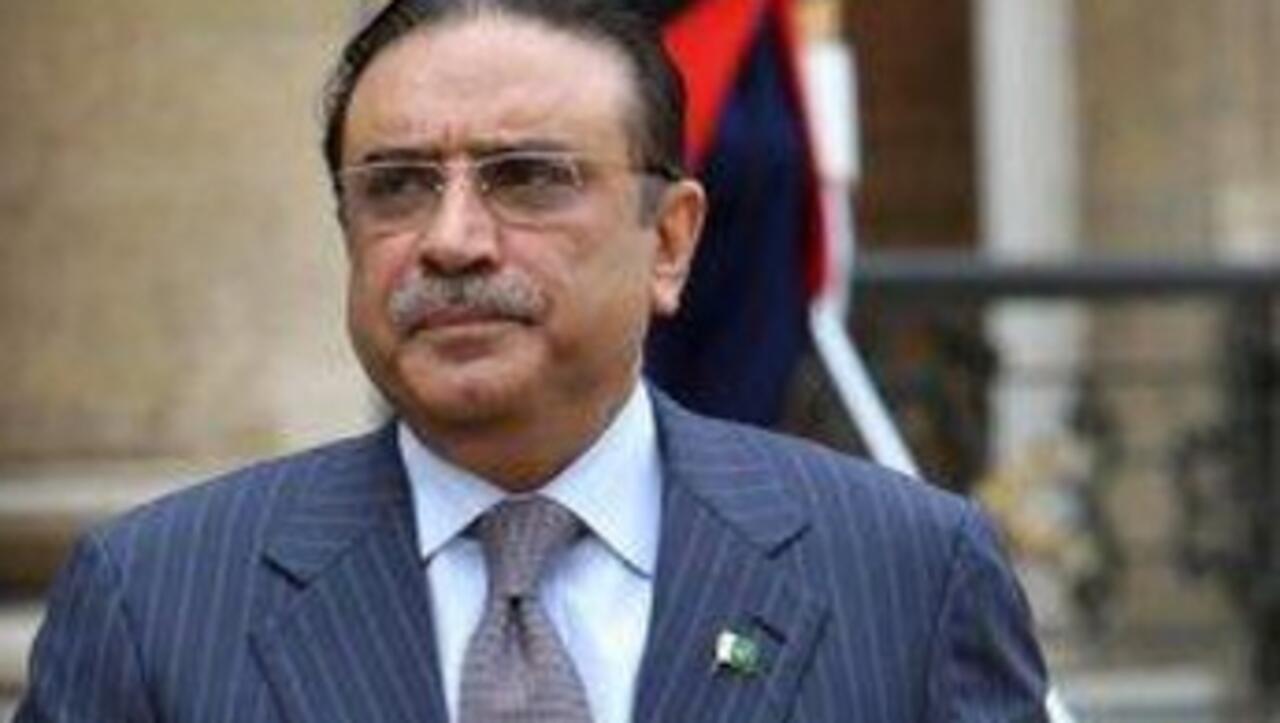
ISLAMABAD, Feb 11 (APP): President Asif Ali Zardari reaffirmed Pakistan’s commitment to promoting peace, tolerance and mutual respect and to addressing the root causes that led to radicalization and violence.
“Violent extremism is a grave violation of human dignity and an affront to the universal values of justice, compassion and human rights,” the president said in a message on the occasion of the ‘International Day for the Prevention of Violent Extremism as and when Conducive to Terrorism’ being observed on February 12.
On this day, the president said Pakistan called for renewed international commitment to addressing the conditions conducive to terrorism, investing in youth empowerment, countering hate speech and disinformation and strengthening families and communities as the first line of defence against extremist narratives.
The president further said that Pakistan made significant sacrifices in its resolute fight against terrorism and violent extremism, adding “Our people, armed forces and law enforcement agencies have demonstrated extraordinary resilience and determination in confronting this menace.”
At the same time, he said they remained convinced that lasting peace could only be achieved through education, dialogue, economic opportunity, good governance and the promotion of pluralism and social harmony.
“We remain steadfast in our efforts to strengthen legal safeguards, institutional reforms and capacity-building to prevent torture and extremism,” President Secretariat Media Wing, in a press release, quoted the president as saying.
He said they were also deeply concerned by the continued and systematic use of extremism in conflict zones and under repressive regimes.
“We particularly draw the attention of the international community to the plight of innocent civilians, including women and children, who continue to face extremism, arbitrary detention, and extrajudicial actions in illegally occupied territories like Kashmir and Palestine,” he stressed.
The president emphasized that they strongly believed that preventing violent extremism demanded collective global action.
The international community must foster cooperation based on shared responsibility, respect for sovereignty and adherence to international law, he said, adding efforts to counter violent extremism must not stigmatise any religion, culture or community but instead promote understanding, inclusion and respect for diversity.
The president said Pakistan was a party to the United Nations Convention against Torture and Other Cruel, Inhuman or Degrading Treatment or Punishment (CAT), International Covenant on Civil and Political Rights (ICCPR) and International Convention on the Elimination of All Forms of Racial Discrimination (ICERD). Pursuant to United Nations Security Council Resolution 2250 (2015), Pakistan’s National Policy on Prevention of Violent Extremism (NPVE), 2024, reflected this understanding and was fully aligned with the UN’s mission to Prevent Violent Extremism.
“It represents a strategic shift from reactive responses to proactive prevention, grounded in the principles of pluralism, human rights, rule of law, and social justice. The policy adopts a whole-of-society approach,” he added.
The president said countering extremism and fostering tolerance was deeply rooted in both Islamic teachings and the Universal Declaration of Human Rights. “Islam emphasises respect for human dignity, equality and peaceful coexistence among all people. Similarly, the Universal Declaration of Human Rights affirms that all human beings are born free and equal in dignity and rights, regardless of distinctions,” he added.
Together, he said these principles underlined that preventing extremism was a moral and civic duty that nurtured peace, justice and harmony within societies and across nations.
President Zardari called for joint efforts to build a world where peace prevailed over violence, dialogue over division and hope over hatred, for the benefit of the present and future generations.