ISLAMABAD, Feb 11 (APP): Federal Minister for Federal Education & Professional Training (MoFE&PT), Dr Khalid Maqbool Siddiqui, stressed that Education reform must go beyond textbook revision and focus on nurturing critical thinking, ethical grounding, creativity, and responsible citizenship. He made these remarks while addressing a two-day national summit opened on Wednesday under the theme “New National Curriculum of Pakistan.” The first day of the two-day Summit witnessed participation from distinguished …
Maqbool Siddiqui stresses education reforms focus on nurturing critical thinking, ethical grounding & creativity
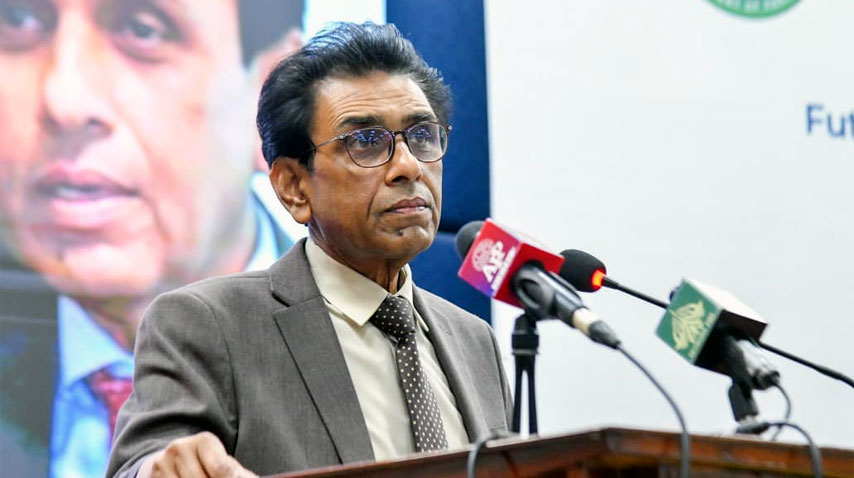
ISLAMABAD, Feb 11 (APP): Federal Minister for Federal Education & Professional Training (MoFE&PT), Dr Khalid Maqbool Siddiqui, stressed that Education reform must go beyond textbook revision and focus on nurturing critical thinking, ethical grounding, creativity, and responsible citizenship.
He made these remarks while addressing a two-day national summit opened on Wednesday under the theme “New National Curriculum of Pakistan.” The first day of the two-day Summit witnessed participation from distinguished members of Parliament and Provincial Assemblies, Vice Chancellors of universities, representatives of provincial and area education departments, development partners, curriculum experts, and education leaders from across the country.
Addressing the participants, Dr Khalid Maqbool Siddiqui, highlighted the urgent need to transform Pakistan’s curriculum in light of contemporary challenges.
The Minister emphasized implementation fidelity, coordination with provinces, and the importance of preparing learners for emerging global realities while remaining rooted in Pakistan’s cultural and ideological foundations.
Earlier, the proceedings of the Summit were commenced with the National Anthem and recitation from the Holy Quran, followed by a welcome address by Mr. Nadeem Mahbub, Secretary, MoFE&PT. The Secretary warmly welcomed the distinguished guests, UNESCO, and UNICEF, and underscored the importance of a nationally coherent, future-oriented curriculum aligned with Pakistan’s constitutional values, cultural identity, and developmental aspirations.
Subsequently, the Director, NCC Wing, MoFE&PT, presented the objectives of the Summit and shared the vision and mission of the proposed new curriculum framework.
The Summit featured keynote addresses by leading international expert Mr Alonso Sanchez (World Bank), who shared global perspectives on curriculum transformation and instructional reform. His insights emphasized evidence-based policymaking, strengthening classroom practices, and building coherent systems linking curriculum, pedagogy, and assessment.
In his keynote address, Mr Ahsan Iqbal, Minister for Planning, Development and Special Initiatives, reflected on the historical evolution of education and curriculum in Pakistan and underscored its strategic significance for national progress. He described curriculum reform as a mission close to his heart and highlighted the role of education in restoring Pakistan’s intellectual and civilizational excellence.
Referring to historical periods when Muslim civilizations led global knowledge, he stressed the need to revive a culture of inquiry, innovation, and scholarship.
He emphasized the importance of strengthening conceptual learning in local languages to ensure deeper comprehension and inclusivity.
Furthermore, he strongly highlighted the need to integrate Technical and Vocational Education and Training (TVET) within the national curriculum framework, underscoring that skill-based education must be embedded from early stages to equip youth with practical competencies aligned with market needs and national development priorities.
He proposed key features for effective implementation of the new curriculum, including competency-based frameworks, focus on science, technology and innovation, civic responsibility, and structured mechanisms for phased and sustainable implementation.
The first day concluded with an engaging panel discussion on “National Curriculum of Pakistan (NCP): Issues, Challenges and Way Forward,” followed by breakout group discussions where participants deliberated on thematic areas and proposed practical recommendations for systemic reform.
The deliberations of Day One have set a strong foundation for consensus-building on a transformative, inclusive, and future-ready National Curriculum that aims to nurture empathy, creativity, teamwork, collective competence, and responsible citizenship across Pakistan’s diverse education landscape.