Hamza Rahman RAWALPINDI, Feb 11 (APP):Hikmat, also known as the Unani herbal system, and allopathic medicine were once competing methodologies for diagnosing illnesses and restoring health, operating in very different ways. Hikmat depends on natural herbs and plant extracts, coupled with care and prevention. With rapid scientific advances in medical practice and the introduction of the latest biomedical equipment in both diagnosis and treatment, allopathy has reached the peak of …
Declining habits of traditional hikmat treatment needs govt attention
Hamza Rahman
RAWALPINDI, Feb 11 (APP):Hikmat, also known as the Unani herbal system, and allopathic medicine were once competing methodologies for diagnosing illnesses and restoring health, operating in very different ways.
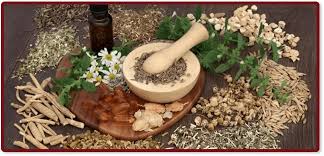
Hikmat depends on natural herbs and plant extracts, coupled with care and prevention. With rapid scientific advances in medical practice and the introduction of the latest biomedical equipment in both diagnosis and treatment, allopathy has reached the peak of professional excellence, with continued research and development across diverse and inter-mixed medical fields. The hikmat medication method, in comparison, has reduced significantly.
Hakeem Anwar, a senior practitioner who continues to see patients at Rawalpindi Teaching Hospital, described the main reasons for this shift, pointing out that the strongest factor is the extensive research and development behind allopathic medicine. Large investments support continuous clinical trials, new drug creation, and improvements in diagnostic technology, resulting in greater accuracy and dependability.
“Hikmat receives far less organized scientific funding and research, which limits its canvas towards the ultimate result of passive response from patients as well as from incumbents”, he said.
Another important reason is the widespread desire for rapid relief. Patients frequently expect symptoms such as pain, fever, or infection to improve within hours. “Allopathic medicines, injections, or intravenous drips often deliver that quick result; herbal remedies, in contrast, generally work on gradual improvement to address the root causes of the disease.
“Hikmat works with traditional pulse wave patterns to diagnose the problems along with direct observations and patients’ feelings, which is still a precise method that correlates with Hakim’s experience and medicinal intellect”, said Hakim Anwar
He said that reduced graduates from the Tibbiya Colleges doesn’t reflect the trust issue between the herbal practitioners and patients. He maintained that a considerable number of young students are inclined towards graduation in hikmat, yet insufficient to the required magnitude.
“Nearing three dozen patients, on average, visit the hospital per day, which is a healthy number”, he said and highlighted that one Hakim in a big hospital remains insufficient.
Another major factor affecting the herbal practices is the presence of advanced surgical care. Modern hospitals routinely perform emergency and planned operations using the latest equipment and techniques, which the Hikmat system does not provide. Emergency treatments like bone fractures, cardiac attacks, etc., are absent in Hikmat.
“Hikmat doesn’t allow the body to go in an emergency situation; a timely diagnosis remains vital to treat the disease in an appropriate time frame”, he said.
To a question, he highlighted that the unavailability of funds has also stopped the surgical practices in Tib.
Although Hikmat remains affordable and retains trust in some rural communities, the number of patients turning to traditional Hakims continues to decrease steadily. Health professionals suggest that combining modern diagnostic methods with carefully selected proven herbal treatments could help preserve the valuable knowledge of Hikmat.
Hakim Anwar also rejected any notion regarding behavioral differences among medical treatment methodologies.
“We do get the patients examined through allopathic diagnostic systems, like pathological testing, imaging, etc., for applying accurate medication”, he said.
In Rawalpindi, three Tibbiya colleges are offering graduation-level degrees in herbal medical education, but they are still producing insufficient graduates. To improve and regain its ranks, the hikmat, once dominating the medical field, needs key steps to be taken, including stronger government support through increased funding for research, clinical trials, quality testing labs, and modernized Tibbiya education.
“Simplifying licensing, registration and clinic operations, along with access to standardized, quality-controlled herbal medicines, would ease and increase herbal practice.
While highlighting an important issue, Hakim Anwar warned about health consequences if a patient is treated by an unregistered herbal practitioner. He also advised people not to use licensed herbal medicine and to avoid following unproven medicine prescriptions.