ISLAMABAD, Feb 10 (APP): The Sahiwal Coal-Fired Power Plant is widely recognized not only as a major contributor to Pakistan’s national power supply, but also as a shining example of effective knowledge transfer through meaningful Chinese Pakistani collaboration. From the very beginning of operations, the leadership of the plant placed strong emphasis on developing local capacity, ensuring that Pakistani professionals would gain the technical competence, operational confidence, and leadership abilities required …
Sahiwal Coal Power Plant emerges as model of Pakistan–China knowledge transfer, energy cooperation
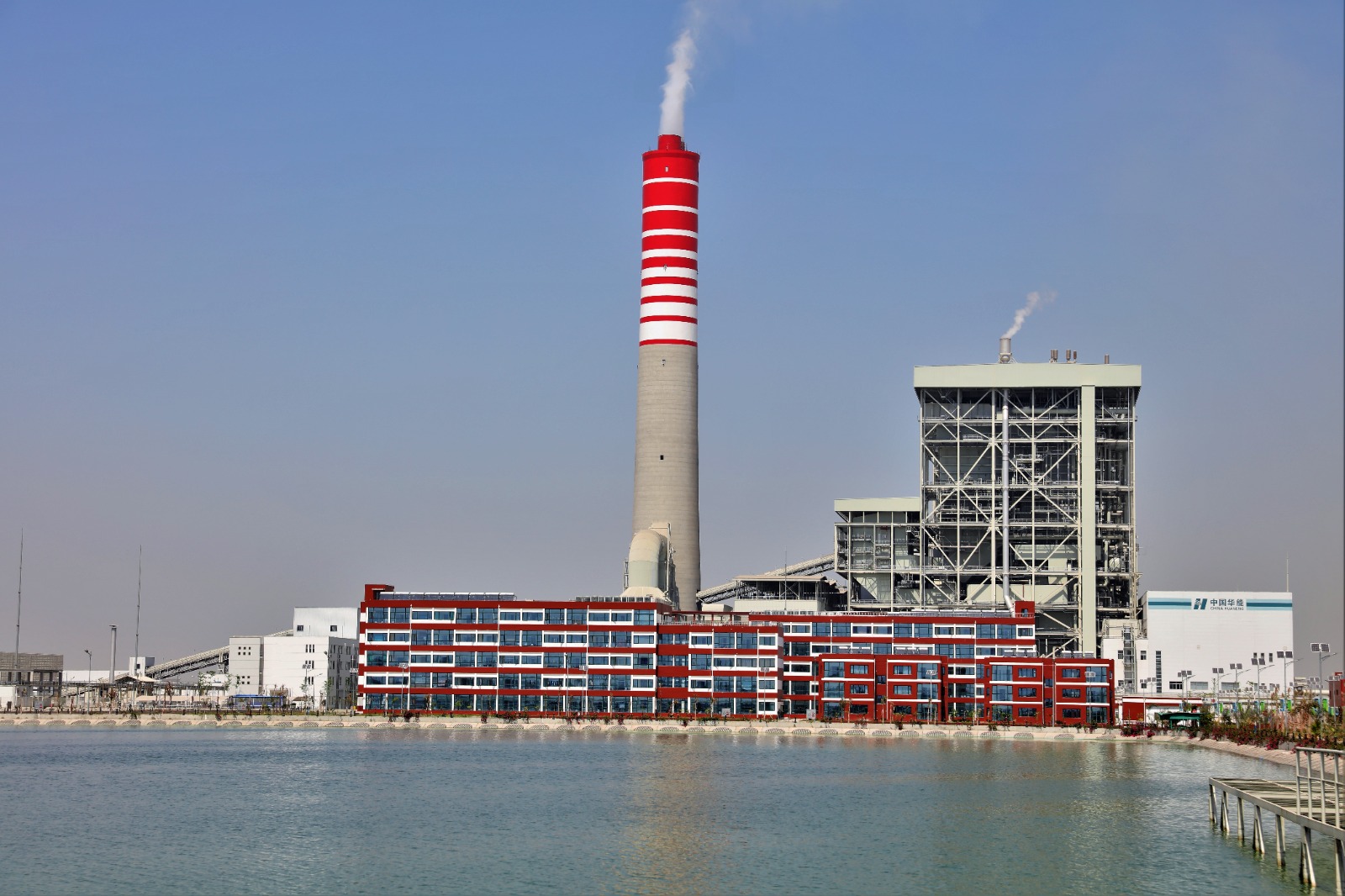
ISLAMABAD, Feb 10 (APP): The Sahiwal Coal-Fired Power Plant is widely recognized not only as a major contributor to Pakistan’s national power supply, but also as a shining example of effective knowledge transfer through meaningful Chinese Pakistani collaboration.
From the very beginning of operations, the leadership of the plant placed strong emphasis on developing local capacity, ensuring that Pakistani professionals would gain the technical competence, operational confidence, and leadership abilities required to manage a large-scale power facility in line with international standards. Rather than relying solely on traditional classroom instruction, the plant has successfully implemented a case style, hands on learning approach, where learning happens in real time, within real systems, alongside highly experienced international experts.
Chinese engineers, technical specialists, and senior managers have worked shoulder to shoulder with Pakistani teams across operations, maintenance, control systems, environmental management, HR, administration, logistics, and HSE functions, a press release issued here on Tuesday said.
Through mentoring, job shadowing, structured task rotation, scenario based learning, and simulation drills, Pakistani staff have gained invaluable exposure to the best practices required to safely and efficiently run a high reliability industrial facility that operates around the clock.
This collaborative working model reinforces not only technical knowledge, but also discipline, teamwork, safety awareness, and a culture of accountability. Employees are encouraged to ask questions, participate in problem-solving discussions, and learn from real operational cases such as system performance optimization, maintenance planning, environmental monitoring processes, and emergency readiness.
These interactions build confidence, critical thinking, and leadership maturity over time. A strong safety culture is at the core of this knowledge-sharing journey, as operating a power plant demands constant risk awareness and strict procedural compliance. Through joint safety campaigns, toolbox talks, and continuous coaching, employees develop a Safety-First Mindset, where every individual understands their personal responsibility in protecting themselves, their colleagues, the plant, and the surrounding community.
As a result of this structured and respectful exchange of knowledge, more Pakistani professionals have gradually stepped into key technical, supervisory, and leadership roles, independently managing complex systems while mentoring the next generation of employees.
The HR Department has played a vital supporting role by identifying skill gaps, aligning training programs with operational needs, strengthening language and communication bridges, and ensuring that employees feel supported in their development journey. This investment in people has created a strong local talent pipeline for Pakistan’s energy sector, reducing dependency on external expertise over time.
Beyond the technical benefits, the collaboration at Sahiwal has also helped build mutual cultural understanding, trust, and long-term professional relationships between Chinese and Pakistani colleagues, reinforcing the spirit of partnership under the China-Pakistan Economic Corridor.
The positive impact of this capability building extends beyond the plant gates, as employees take their enhanced knowledge and confidence back to their communities, supporting economic stability, family well-being, and national self-reliance.
At the same time, Pakistan benefits from a more resilient and skilled industrial workforce, capable of sustaining complex infrastructure that is essential for economic growth. Today, the Sahiwal Coal Fired Power Plant stands as a strong example of how international cooperation, when built on respect, continuity, and a commitment to learning, can deliver long-term developmental value.
By prioritizing human capital development alongside technological investment, the plant ensures that operational excellence, safety performance, and reliability are maintained while building a sustainable future for Pakistan’s energy landscape. Looking ahead, the commitment remains firm: to keep strengthening local expertise, deepening cross-cultural collaboration, and fostering a knowledge-driven organizational culture where employees continue to learn, contribute, and grow.
In this way, Sahiwal Coal-Fired Power Plant is not only generating electricity it is also generating opportunity, capability, and hope for a stronger and more knowledgeable Pakistan.