ISLAMABAD, Feb 09 (APP): The Indus AI Summit 2026, organised by the Ministry of Information Technology and Telecommunication, concluded here on Monday, marking a major step in transitioning Pakistan’s artificial intelligence ambitions from policy to practice. Serving as the strategic anchor of Indus AI Week (February 9–15), the summit brought together policymakers, global technology leaders and industry experts for high-level dialogue focused on evidence-based frameworks, international collaboration and strengthening Pakistan’s …
Indus AI summit 2026 concludes with landmark policy frameworks, global partnerships
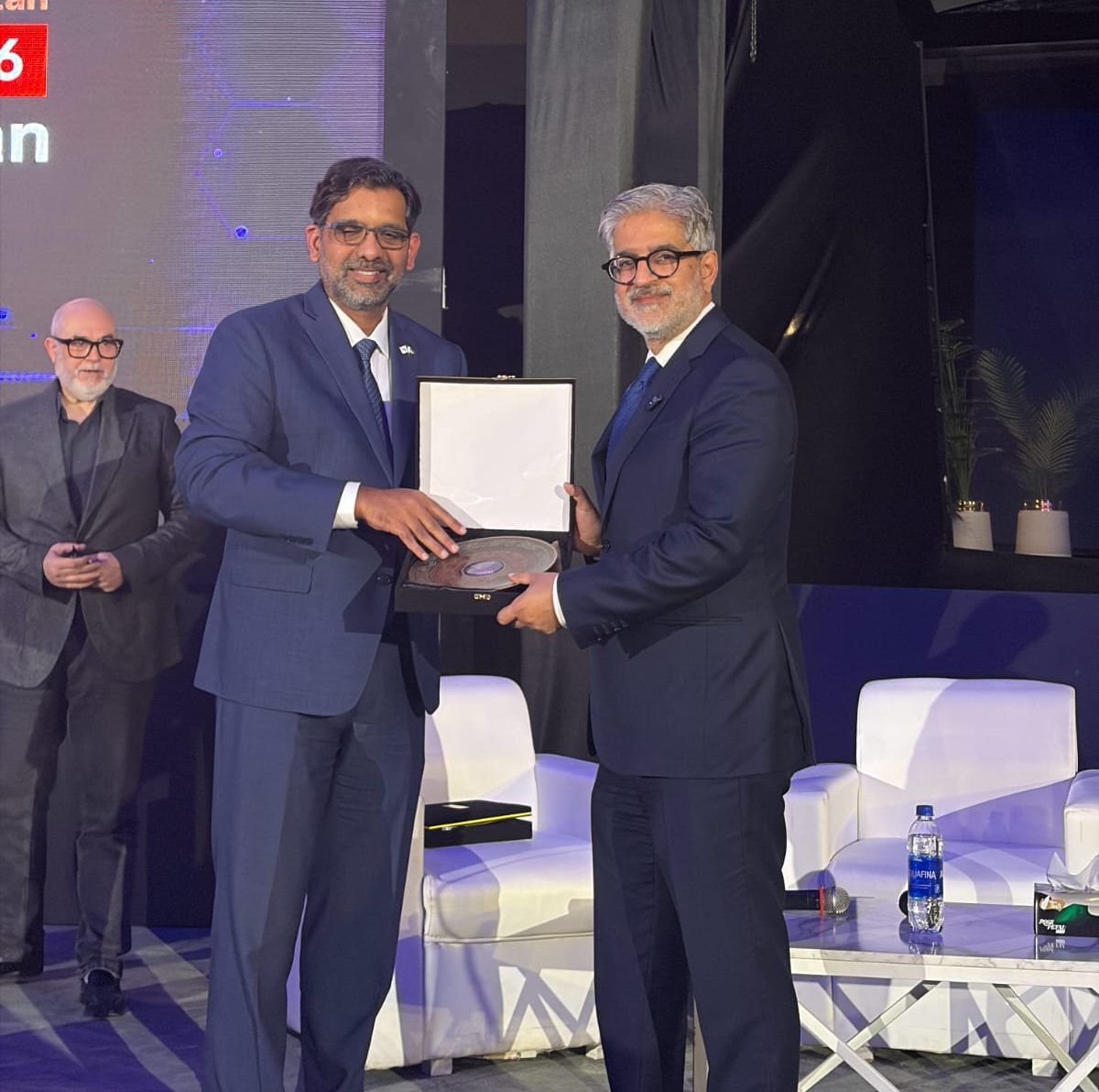
ISLAMABAD, Feb 09 (APP): The Indus AI Summit 2026, organised by the Ministry of Information Technology and Telecommunication, concluded here on Monday, marking a major step in transitioning Pakistan’s artificial intelligence ambitions from policy to practice.
Serving as the strategic anchor of Indus AI Week (February 9–15), the summit brought together policymakers, global technology leaders and industry experts for high-level dialogue focused on evidence-based frameworks, international collaboration and strengthening Pakistan’s national AI ecosystem.
The day featured a series of high-profile keynote addresses by international and local leaders, including Dr Aisha Bin Bishr of The Global Diwan and former Director General Smart Dubai, and Muhammet Kasim Gönüllü, Deputy Minister for Industry and Technology of the Republic of Türkiye.
Other prominent speakers included Dr Randolph George Goebel (University of Alberta), Hatem Bamatraf (e& and PTCL/Ufone), Hassan Abbas (Sky47), Aamir Ibrahim (Jazz), Dr Michael Sung (Chinese Academy of Sciences), and Dominic Williams (Dfinity).
Key strategic dialogues and fireside conversations provided in-depth insights into the future of artificial intelligence and its governance. A session titled “Governing Intelligence at Scale,” moderated by Dr Sohail Munir of the Pakistan Digital Authority, featured Dr Ali Naqvi (American Institute of Artificial Intelligence), Luis Salazar (EY) and Dr Shoab Khan (Care).
Another session on “Designing AI-Native Government,” led by Mohammad Sear of the Pakistan Digital Authority, included Dr Ali Al-Azzawi (Ministry of Investment, Saudi Arabia), Dr Sanjiva Weerawarana (WSO2), Siim Sikkut (Digital Nation) and Ahsan Mashkoor.
Further discussions focused on practical governance and financing models. Dr Zeeshan Usmani of Skilled Score moderated a panel on “National AI and Data Governance,” featuring Mark Bünger (Futurity Systems), Dr Esther Baldwin (Intel) and Soumaya Ben Dhaou (UNU-EGOV). A dialogue on “Financing Sovereign AI,” moderated by Omar Rana of Openmind Research Institute, included Ali Nadir Syed (Apolonia Capital), Ahsan Jamil (sAi Venture Capital), Mouteih Chaghlil (e&) and Pierre Samaties (Dfinity).
The afternoon sessions included a fireside conversation on “Building Competitive AI Ecosystems,” moderated by Saqr Ereiqat of the Dubai Digital Asset Association, with Abdulla Al Dhaheri (The Blockchain Center), José María Lucía Moreno (EY), Aamer Ejaz (Jazz) and Xin Yan (Sign).
The final technical dialogue, “AI, Trust, and the Human Interface,” was moderated by Habibullah Khan of Penumbra and featured Dr Farrah Arif (Queen Mary University), Ussal Sahbaz (Ussal Consultancy), Nadeem Nathoo (TKS & Zero AI) and Raeez Lorgat (Mass and Momentum).
The summit concluded with a panel discussion titled “Next Steps: Impact of the Week,” moderated by Zarrar Khan and featuring Dr Sohail Munir and Sajjad Syed, Chairman P@SHA.
With the conclusion of the summit, the broader Indus AI Week formally moves into its next phase, shifting focus to the Innovation, Learning and Engagement Arena at the Islamabad Sports Complex. There, the public, students and startups will engage with hands-on AI demonstrations and interactive sessions.
Indus AI Week 2026 will continue nationwide until February 15, underscoring Pakistan’s readiness to embrace artificial intelligence as a key driver of national development and international collaboration.