ISLAMABAD, Feb 07 (APP): The Institute of Regional Studies hosted a roundtable discussion to address the ongoing war-like scenario between the US and Iran. Ambassador Jauhar Saleem, President IRS, in his remarks stressed that Iran is a brotherly country and Pakistan prioritizes Iran's stability. He was of the view that strong statements issued by President Trump against Iran were rather a pressuring tactic to compel Iran for negotiations, said a …
Its difficult to predict outcome of US-Iran talks: Experts
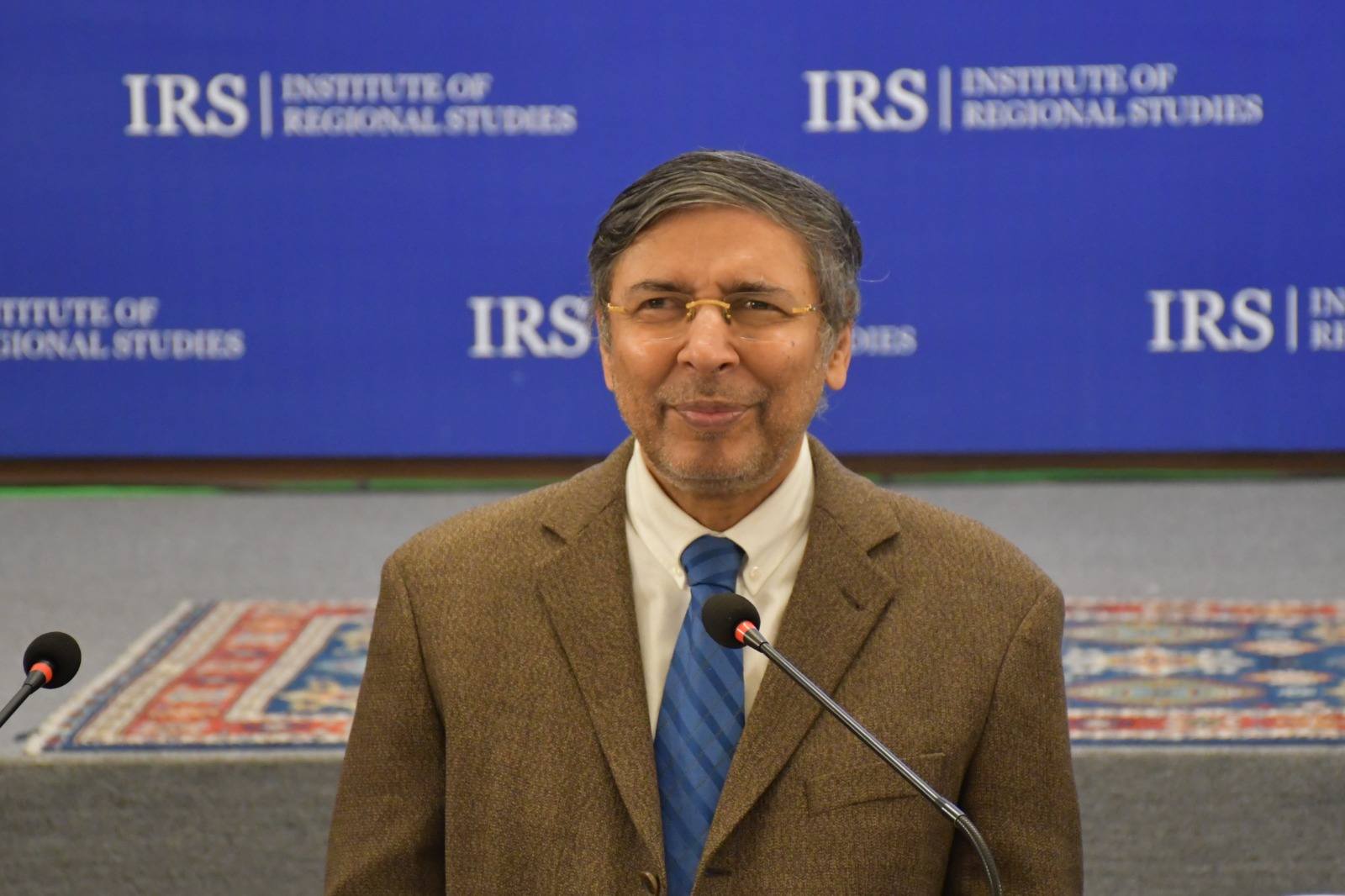
ISLAMABAD, Feb 07 (APP): The Institute of Regional Studies hosted a roundtable discussion to address the ongoing war-like scenario between the US and Iran.
Ambassador Jauhar Saleem, President IRS, in his remarks stressed that Iran is a brotherly country and Pakistan prioritizes Iran’s stability.
He was of the view that strong statements issued by President Trump against Iran were rather a pressuring tactic to compel Iran for negotiations, said a press release issued here on Saturday.
Defense Analyst, Rear Admiral (R), Faisal Ali Shah, emphasized that Iran should not be understood solely through the western perspective, as the system was institutionalized even to the very basic level.
He said the protests were largely directed against specific policies rather than demanding the complete overthrow of the system.
He further argued that external shocks did not trigger a full-scale uprising as seen during the 12-day war because many citizens prioritized stability and security over foreign intervention.
Muhammad Hussain Baqeri, Chairman Iqbal Forum, opined that Iranian society is in a transitional phase shaped by the evolving political and social dynamics. Therefore, without having comprehensive security policies, he argued, the long-term stability in the social sphere was unlikely.
Alireza Nader from Washington, D.C., described that the Iranian diaspora put pressure on the US to undertake a decisive action against the Iranian government. He, nevertheless, admitted that any U.S. military action carried a high risk of escalation, potentially expanding into a broader regional conflict. He acknowledged that there remained a limited possibility of diplomacy between the US and Iran, but significant concessions were unlikely to be made.
Jawed Rana, Editor of The Counter Narrative, told the audience that Iran’s institutional and governmental structures remained strong and resilient despite economic hardships. He argued that the Iranian institutions are powerful, which were able to contain the economic unrest. He suggested that the U.S. and Israel might anticipate internal instability as a strategic opportunity, but a large-scale war is unlikely. Nonetheless, if negotiations fail, a limited strike remains a possibility, he concluded.