ISLAMABAD, Jan 30 (APP):A newly introduced digital livestock monitoring system is expected to strengthen disease control and improve animal healthcare across Punjab by enabling real-time tracking of veterinary services, officials and experts say. The initiative, approved by the Punjab government, integrates services of the Livestock & Dairy Development Department into a single digital framework developed by the Punjab Information Technology Board. The system connects field operations to the “Livestock Connect” …
Digital livestock monitoring seen improving disease control in Punjab
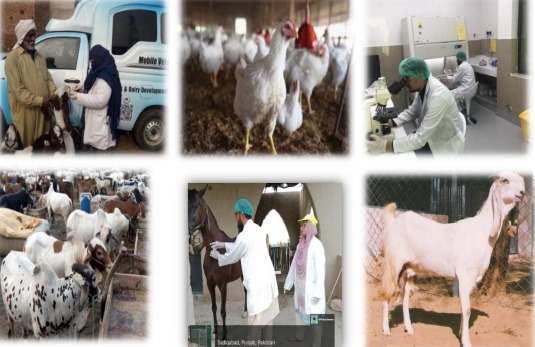
ISLAMABAD, Jan 30 (APP):A newly introduced digital livestock monitoring system is expected to strengthen disease control and improve animal healthcare across Punjab by enabling real-time tracking of veterinary services, officials and experts say.
The initiative, approved by the Punjab government, integrates services of the Livestock & Dairy Development Department into a single digital framework developed by the Punjab Information Technology Board.
The system connects field operations to the “Livestock Connect” platform, allowing closer monitoring of mobile veterinary units, staff performance and service delivery.
Vice-Chancellor of Cholistan University of Veterinary and Animal Sciences Prof Mazhar Ayaz said the digital linkage would help ensure timely vaccination, treatment and advisory services for farmers, particularly in remote and border areas that remain vulnerable to trans-boundary animal diseases.
“With this connection, farmers will be able to access vaccines and treatment in real time, and get proper guidance on seasonal and animal health issues,” he told Wealth Pakistan. The system would also strengthen accountability by enabling farmers to report missed vaccinations or staff absenteeism, he added.
He said border districts, including Attock, DG Khan, Koh-e-Suleman, Bhakkar and Rahim Yar Khan, would be monitored more closely, helping curb trans-boundary diseases such as Lumpy Skin Disease, Foot-and-Mouth Disease and Peste des Petits Ruminants (PPR), a highly contagious viral disease that mainly affects sheep and goats.
“These diseases usually enter through border areas. With digital surveillance, they can be controlled in a much better way,” he said, expressing optimism that the initiative could help fulfil Punjab’s ambition of becoming a disease-free zone.
Prof Mazhar said Cholistan University is ready to support the program, calling it a major step towards modernizing livestock healthcare and strengthening farmer services.
Alongside the digital rollout, the provincial cabinet has also approved a fixed monthly travel allowance of Rs4,000 for veterinary assistants and artificial insemination technicians, a move Prof Mazhar described as a long-pending reform.
“This will improve field mobility by covering fuel and maintenance costs, allowing staff to concentrate on their duties,” he said.
These combined measures are expected to enhance disease control, improve service delivery and support millions of livestock
farmers across Punjab.
Pakistan’s livestock sector continued its steady upward trajectory in FY25, recording a growth rate of 4.72 percent and reinforcing its role as the most stable and resilient component of the agriculture economy, official data show.
Figures from the Pakistan Bureau of Statistics indicate that livestock has maintained consistent positive growth over the past six years, rising by 2.80 percent in FY20, 2.38 percent in FY21, 2.25 percent in FY22, and accelerating to 3.70 percent in FY23 before further improving to 4.38 percent in FY24 and 4.72 percent in FY25.
Prof Mazhar attributes this continued momentum to rising domestic demand for milk and meat, improved farm management practices, and the gradual adoption of better breeding and animal health services.
The upward trend also reflects the increased participation of smallholders, for whom livestock remains a critical source of livelihood and financial resilience.
With livestock now delivering over four percent growth for two consecutive years, targeted investments in feed development, disease control, value-added processing, and market linkages could further strengthen the sector’s contribution to rural employment and the national economy, food security, and the implementation of Sustainable Development Goals, he added.