ISLAMABAD, Jan 28 (APP):Winter rains are expected to significantly benefit Rabi crops across Punjab, particularly wheat and oil seeds, at a time when farmers are grappling with reduced surface water availability due to annual canal closures. Agriculture and irrigation experts say the rainfall will improve soil moisture and support healthy crop growth during this critical stage. The wheat crop sown over 1.65 million acres in Punjab is expected to yield …
Winter rainfall brings relief for wheat, oilseeds in Punjab
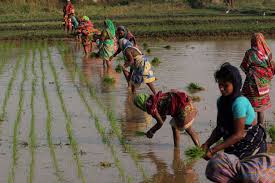
ISLAMABAD, Jan 28 (APP):Winter rains are expected to significantly benefit Rabi crops across Punjab, particularly wheat and oil seeds, at a time when farmers are grappling with reduced surface water availability due to annual canal closures.
Agriculture and irrigation experts say the rainfall will improve soil moisture and support healthy crop growth during this critical stage.
The wheat crop sown over 1.65 million acres in Punjab is expected to yield around 20 million tons of the cereal this year. In addition, oilseeds — including rapeseed, mustard, and sunflower — as well as pulses such as gram, have also been cultivated over vast areas.
“These rains reduce, on average, the demand for artificial irrigation. Rainfall of three to four millimetres in an area can save the cost of one irrigation for a farmer,” said Dr Ghulam Zakir Hassan Sial, Director of the Irrigation Research Institute (IRI), Punjab.
Talking to Wealth Pakistan, he said winter rains are considered a blessing for wheat farmers in barani (rain-fed) areas, as they directly impact the national food supply. He added that the current winter rains in the Thal districts — including Mianwali, Bhakkar, Layyah, Muzaffargarh, Khushab, Sargodha, and Jhang — have breathed new life into the region’s arid agriculture.
“Even in the canal-commanded areas of Punjab, the rains are playing an important role in improving water availability for agriculture after a prolonged dry spell,” he said.
Dr Sial noted that in the Pothohar region, two to three rainy spells during January and February are considered crucial for achieving good yields. In addition to the dry conditions, as many as 21 major canals under the Tarbela and Mangla commands in Punjab have remained closed since December 26, significantly reducing water availability for agriculture.
Agriculture experts describe winter rains as a tonic for Rabi crops, especially wheat, as they lower temperatures and provide natural nutrients, enhancing overall output. “A decrease in smog due to rainfall directly improves photosynthesis in plants by removing environmental stressors that inhibit their ability to produce energy,” said Dr Anjum Ali Buttar, a consultant at the Punjab Agriculture Department.
Talking to Wealth Pakistan, he explained that smoggy conditions across Punjab during November and December damaged plant tissues by blocking sunlight and disrupting metabolic processes, leading to significant reductions in photosynthetic rates and plant growth.
Dr Buttar said that rainfall also contributes to natural nitrogen fertilization by dissolving nitrogen oxides formed in the atmosphere — often through lightning — and depositing them as nitrates and ammonium in the soil, making them readily available for plant uptake.
“This process can significantly reduce the need for chemical fertilizers for wheat and other crops, thereby lowering production costs for farmers,” he said. He further explained that wheat cultivation requires a cool climate and moderate rainfall. The ideal winter temperature for wheat growth ranges between 10°C and 15°C, while the optimal summer temperature for crop maturity ranges from 21°C to 26°C.
“Due to the favourable weather conditions, the wheat crop in Punjab is currently growing satisfactorily, raising hopes for a bumper harvest,” he said.