PESHAWAR, Jan 27 (APP):The Khyber Pakhtunkhwa Assembly on Tuesday witnessed wide-ranging and intense discussions on minority rights, education reforms, health facilities, land ownership disputes, alleged enforced disappearances, and travel facilities for Hajj pilgrims during a session chaired by Panel of Chairman Humayun Khan. During the question hour in the assembly chaired by Muhammad Anwar Khan, Panel of the chairmen, minority lawmaker Suresh Kumar drew the House’s attention to the non-implementation …
KP assembly sees heated debates on minority quota, school outsourcing, health, education, governance issues
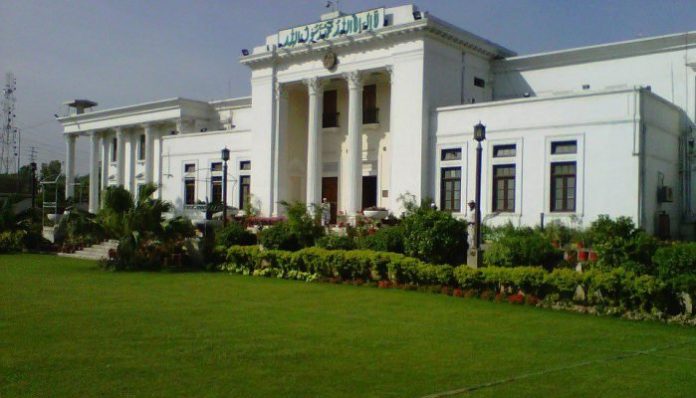
PESHAWAR, Jan 27 (APP):The Khyber Pakhtunkhwa Assembly on Tuesday witnessed wide-ranging and intense discussions on minority rights, education reforms, health facilities, land ownership disputes, alleged enforced disappearances, and travel facilities for Hajj pilgrims during a session chaired by Panel of Chairman Humayun Khan.
During the question hour in the assembly chaired by Muhammad Anwar Khan, Panel of the chairmen, minority lawmaker Suresh Kumar drew the House’s attention to the non-implementation of the five percent minority quota in the education department.
He revealed that since 2018, out of 372 posts allocated for minorities, only 226 had been filled while 146 remained vacant. He pointed out the absence of clear rules in several universities, including UET, Kohat University, Swat University and Hazara University, and alleged that posts were not properly advertised.
Terming the issue a result of systemic flaws rather than bad faith, he demanded that the matter be referred to the relevant standing committee, which was later approved.
Responding, Law Minister Aftab Alam said vacancies often remained unfilled because candidates failed to qualify ETAs or commission exams, assuring the House that departments would be directed to ensure compliance with the quota policy.
The House also saw a heated debate on the outsourcing of government schools.
JUI-F lawmaker Rehana Ismail questioned whether the government was moving towards privatization without parliamentary approval.
The law minister clarified that the government was not privatizing schools but outsourcing low-performing and low-enrollment schools to improve educational outcomes, particularly in remote areas.
He stated that the decision was approved by the provincial cabinet and would not impose any financial burden on students or parents.
ANP’s Arbab Usman called for the formation of a committee and comprehensive reforms before implementing outsourcing.
Serious concern was raised over the non-completion of 113 earthquake-affected schools in Abbottabad even two decades after the 2005 earthquake.
PML-N’s Amina Sardar questioned the feasibility of completing the schools within the claimed timeframe.
Revenue Minister Nazir Abbasi blamed the diversion of donor funds by previous governments and stressed that thousands of children were still forced to study in open spaces. The matter was referred to the standing committee for further deliberation.
The Assembly also discussed rising university fees and transparency in the use of sugar cess funds.
The law minister informed the House that Abdul Wali Khan University had over 14,700 students and that fees were determined by university syndicates, with an average annual increase of 10 percent.
On sugar cess, he detailed its distribution among provincial departments before the issue was referred to a committee.
On points of order, lawmakers raised land ownership issues in Jarma, Kohat, and an alleged enforced disappearance of a young man from Lower Dir.
The government assured legal review and coordination with law enforcement authorities.
Health facilities in the remote area of Drosh, Chitral, also came under discussion, with lawmakers highlighting the absence of Sehat Card facilities and shortage of doctors.
Health Minister Khaliq assured the House that steps were being taken to deploy specialists and extend health card services.
Later, the assembly unanimously passed a resolution recommending the restoration of Hajj flights from Bacha Khan International Airport, Peshawar, to ease travel difficulties faced by pilgrims from the province.
Meanwhile, controversy arose over allegations that PML-N lawmaker Jalal Khan was being barred by the Assembly Secretariat from presenting legislative business.
JUI-F member Maulana Lutfur Rehman termed the move unprecedented and unjust.
The issue surfaced again when Jalal Khan pointed out quorum, leading to the adjournment of the session until Friday due to lack of attendance.
Overall, the session reflected growing political tensions and highlighted key governance and service delivery challenges facing the province.