ISLAMABAD, Jan 27 (APP):A seminar titled “Kashmir: Wait, See and Act” was held at the Pakistan National Council of the Arts (PNCA) on Tuesday on the occasion of the launch of the pictorial book “Kashmir: Wait and See” by renowned European photojournalist Cedric Gerbehaye, highlighting the humanitarian crisis in Indian Illegally Occupied Jammu and Kashmir (IIOJK). Addressing the seminar, former Prime Minister Raja Pervaiz Ashraf said the photo book presents …
Seminar on “Kashmir: Wait and See” held at launch of Cedric Gerbehaye’s photo book
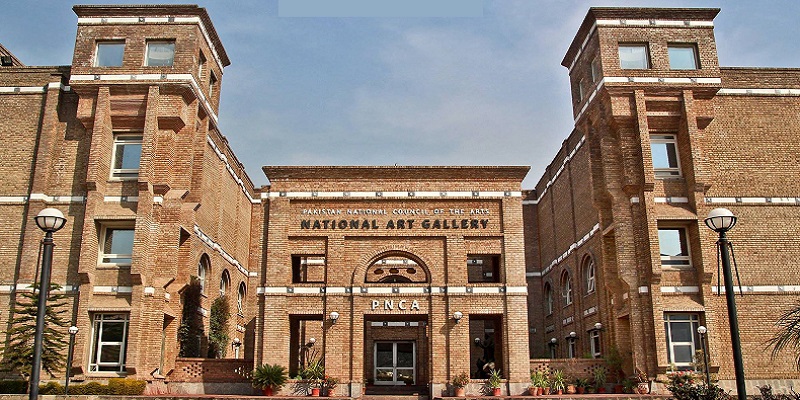
ISLAMABAD, Jan 27 (APP):A seminar titled “Kashmir: Wait, See and Act” was held at the Pakistan National Council of the Arts (PNCA) on Tuesday on the occasion of the launch of the pictorial book “Kashmir: Wait and See” by renowned European photojournalist Cedric Gerbehaye, highlighting the humanitarian crisis in Indian Illegally Occupied Jammu and Kashmir (IIOJK).
Addressing the seminar, former Prime Minister Raja Pervaiz Ashraf said the photo book presents an authentic portrayal of the realities in Indian-occupied Kashmir.
He stated that Pakistan has consistently raised the Kashmir issue at international forums, including the United Nations, which has itself endorsed the right to plebiscite.
He regretted that India continues to avoid resolving the dispute despite acknowledging it at the United Nations Security Council.
Raja Pervaiz Ashraf said Pakistan and India have fought multiple wars over Kashmir, emphasizing that Pakistan has never been the aggressor.
Referring to the recent May escalation, he said Pakistan defended itself effectively. He pointed out that nearly 800,000 Indian troops are deployed in Kashmir despite India’s claims of peace, adding that the visiting European delegation would also visit Azad Jammu and Kashmir to witness a comparatively better quality of life.
Federal Minister for Board of Investment Qaiser Ahmed Sheikh, while welcoming parliamentarians, senators, Kashmiri representatives, and distinguished international guests, said the Kashmir dispute has remained unresolved for decades and continues to cause immense humanitarian suffering, posing a serious threat to peace and stability in South Asia.
He noted that the situation in IIOJK has deteriorated further since 2019 due to intensified restrictions and grave human rights violations.
Commending Cedric Gerbehaye, the Federal Minister praised his courage and professionalism in documenting Kashmir despite severe access limitations.
He said the photo book powerfully captures both the natural beauty of the region and the harsh realities faced by its people. Highlighting the influence of visual media, Qaiser Ahmed Sheikh remarked that impactful imagery has the ability to awaken global conscience and mobilize international action.
Senior politician Senator Mushahid Hussain Syed said the strength of Gerbehaye’s work lies in its first-hand human portrayal of Kashmiri suffering. “He listened, he observed, and then he made a difference,” he said, describing the book as a vital historical record that gives voice to the voiceless.
He urged that Kashmir be placed prominently on the global peace agenda, calling Kashmir and Palestine twin humanitarian issues.
Senator Sitara Ayaz, while speaking at the seminar, said the prolonged silence of the international community has only deepened the suffering of the Kashmiri people. She stressed that women and children in Indian-occupied Kashmir remain the most affected by ongoing human rights violations and emphasized the need for sustained international advocacy and parliamentary diplomacy.
Barrister Dr. Muhammad Ali Saif said Kashmir has waited far too long for its right to self-determination, adding that such documentation serves as a powerful medium of dialogue to convey the region’s suffering. He said indifference to Kashmiri pain would amount to losing humanity itself.
Chairman Kashmir Council Europe Ali Raza Syed, while addressing the gathering, thanked the participation of all speakers, parliamentarians, and international guests.
He said the photo book “Kashmir: Wait and See” is the result of an eight-year-long journey, during which Cedric Gerbehaye worked under extremely challenging conditions to document the human reality of Kashmir.
He said the project reflects persistence, credibility, and a commitment to truth, and aims to keep the Kashmir issue alive within European political and human rights discourse.
The seminar was attended by an eight-member European delegation comprising Members of the European Parliament, intellectuals, journalists, and human rights activists from different European countries, including Ali Raza Syed (Belgium), Cedric Albert R. Gerbehaye (Belgium), Maria Johanna Josefa Lucas (Netherlands), Ryszard Henryk Czarnecki (Poland), Carl Anders Sven Hultin (Sweden), Björn Anders Hultin (Sweden), and Endre Sandor Barcs.
European human rights activist Maria Locus, while addressing the seminar, expressed hope that the Kashmir dispute would be resolved peacefully. Referring to international peace initiatives, she said she hoped global leadership, including former U.S. President Donald Trump’s peace council, would recognize the Kashmir issue and play a role in ending ongoing atrocities in the region.
Members of the European delegation stressed that the Kashmir issue requires conflict transformation rather than narrow bilateral approaches. European journalist Endre Sandor Barcs criticized the European Union for engaging economically with India while overlooking human rights violations in Kashmir, calling it a clear example of double standards.
The seminar concluded with calls for sustained international engagement to address the Kashmir dispute as a critical global human rights and peace issue.