
ISLAMABAD, Jan 26 (APP):The Supreme Court of Pakistan has issued a major and precedent-setting ruling on delays in the promotion of government employees, declaring that an eligible officer has the right to promotion from the date of the first Departmental Promotion Committee (DPC) meeting, and cannot be penalized for administrative negligence or delay. Setting aside the decision of the Punjab Service Tribunal, the Supreme Court ruled that the promotion of …
SC issues landmark ruling on delayed promotions of govt employees
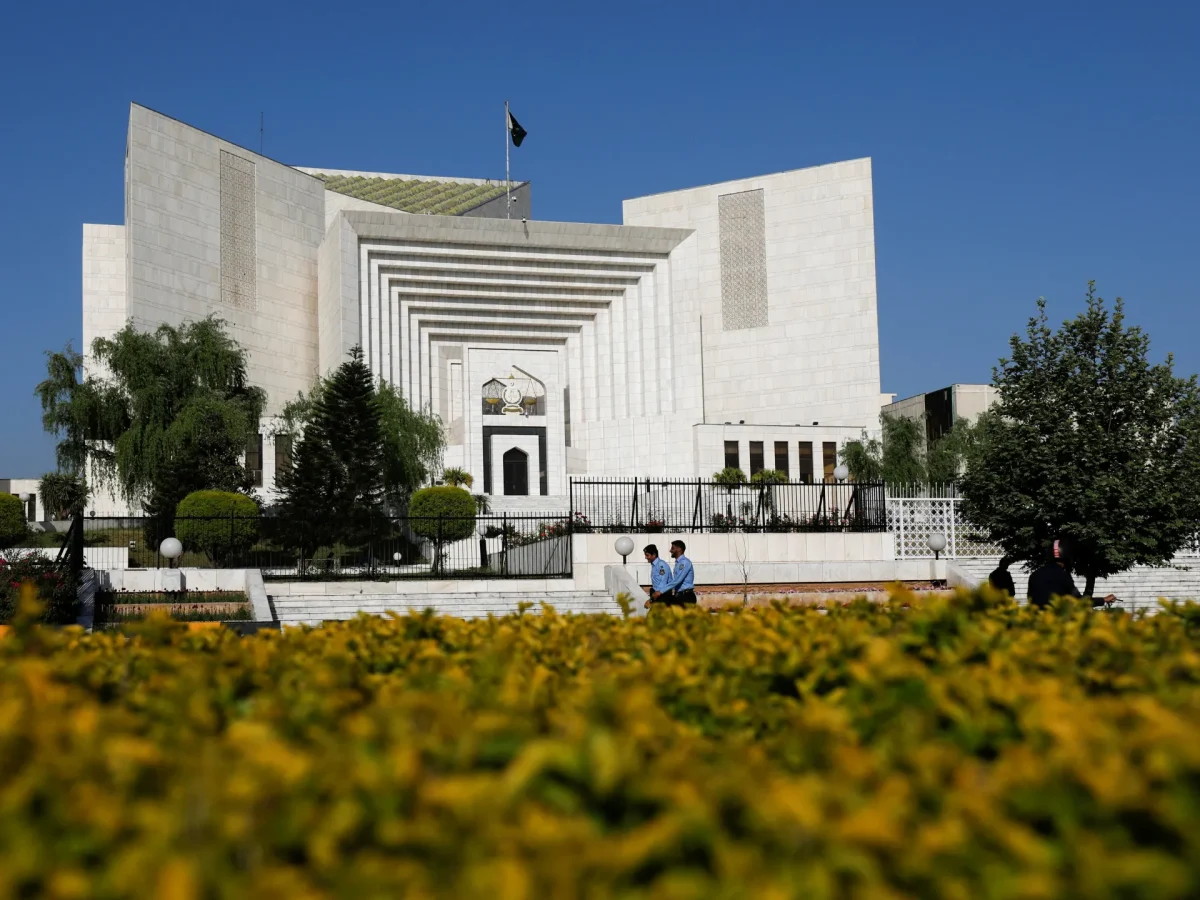
ISLAMABAD, Jan 26 (APP):The Supreme Court of Pakistan has issued a major and precedent-setting ruling on delays in the promotion of government employees, declaring that an eligible officer has the right to promotion from the date of the first Departmental Promotion Committee (DPC) meeting, and cannot be penalized for administrative negligence or delay.
Setting aside the decision of the Punjab Service Tribunal, the Supreme Court ruled that the promotion of government employee Fakhar Majeed will be effective from January 21, 2012. The tribunal had earlier dismissed his appeal, holding that an employee was not entitled to promotion from the date a vacancy arose.
In its ruling, the apex court emphasized that timely consideration for promotion through the DPC is a fundamental right of eligible public servants. It stated that employees cannot be made to suffer due to administrative incompetence, carelessness, or institutional delays.
The seven-page written judgment was authored by Justice Ayesha Malik. The case was heard by a three-member bench comprising Justice Ayesha Malik, Justice Muhammad Hashim Kakar, and Justice Ishtiaq Ibrahim.
The court noted in its detailed verdict that promotion is a basic right of government employees, and that delays caused by administrative lapses cannot undermine this right. It clarified that if an employee meets all eligibility requirements, promotion must take effect from the date of the first DPC meeting, regardless of subsequent delays.
The Supreme Court also directed government institutions to ensure timely processing of promotions and stressed that no employee should bear the consequences of bureaucratic inefficiency or institutional sluggishness.
In its concluding observations, the court underlined that public servants cannot be punished for administrative failures, and reiterated that it is the responsibility of state institutions to maintain efficient, transparent, and timely systems for personnel management.