ISLAMABAD, Jan 25 (APP):The Pakistan National Council of the Arts (PNCA) on Saturday late evening transformed its auditorium into a sanctuary of sound, spirit and scholarship as it hosted “Liqa-e-Ishq – Mystical Musical Colors of Karakoram,” an evocative cultural evening that resonated with the echoes of Pakistan’s mountains, valleys, and centuries-old spiritual traditions. Jointly organized by the Burushaski Research Academy (BRA) and Shan-e-Tajalli, with the patronage of PNCA, the program …
PNCA hosts “Liqa-e-Ishq – Mystical Musical Colors of Karakoram,” celebrating the soul of Pakistan’s cultural heritage
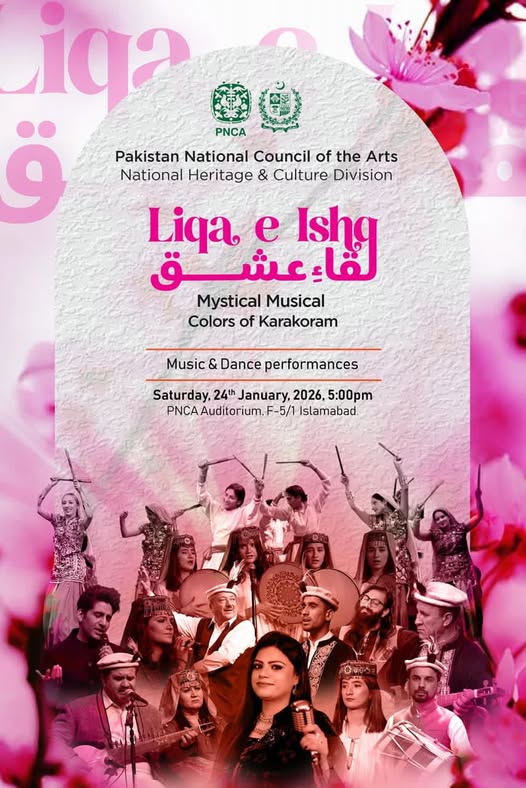
ISLAMABAD, Jan 25 (APP):The Pakistan National Council of the Arts (PNCA) on Saturday late evening transformed its auditorium into a sanctuary of sound, spirit and scholarship as it hosted “Liqa-e-Ishq – Mystical Musical Colors of Karakoram,” an evocative cultural evening that resonated with the echoes of Pakistan’s mountains, valleys, and centuries-old spiritual traditions.
Jointly organized by the Burushaski Research Academy (BRA) and Shan-e-Tajalli, with the patronage of PNCA, the program offered an intellectually rich and aesthetically immersive exploration of indigenous, folk, and Sufi musical traditions.
Rooted in the mystical and poetic legacy of the renowned Sufi scholar, poet, and researcher Allama Nasir-ud-Din Nasir Hunzai, the evening unfolded as both a tribute and a dialogue between past and present, scholarship and performance, devotion and artistry.
With a special focus on the Karakoram region, encompassing Gilgit-Baltistan, Hunza, and Chitral, the event also reflected the musical colors of Sindh and Balochistan, weaving together the diverse soundscapes of Pakistan into a single, harmonious narrative.
Themes of divine love, wisdom, peace, national unity, and devotion to the homeland flowed seamlessly through music and poetry, underscoring cultural heritage as a living force that nurtures collective identity and social harmony.
The auditorium reverberated with soulful expressions as a distinguished lineup of national and international artists took the stage. Salman Adil, Sitara Jahan, Khurram Latifi, Abid Karim, Gul Baz Khan, Tasleem Kausar, Sidra Rehmat, Tauseef, and Shoaib Sultan, along with renowned folk artists Gul Bahar Khan and Khush Dil Khan, captivated the audience with performances that blended classical, semi-classical, folk, and Sufi genres.
The melancholic strains of traditional instruments, particularly the rubab, carried listeners across spiritual landscapes, sometimes meditative, sometimes ecstatic, yet always deeply rooted in the soil of indigenous expression.
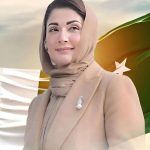
The evening was further honored by the presence of Parliamentary Secretary Ms. Farah Naz Akbar as a distinguished guest.
She was warmly received and presented with traditional attire and a Karakoram shawl, symbolizing the region’s rich cultural heritage.
Commending the organizers, she described the event as a meaningful and timely initiative toward the preservation and promotion of Pakistan’s intangible cultural heritage, emphasizing the need to safeguard such traditions for future generations.
Scholars, artists, and cultural enthusiasts attending the program widely appreciated the initiative, noting its unique blend of research-based content and artistic excellence.
The event reaffirmed the role of music not merely as performance, but as a living archive, a powerful medium for cultural research, intergenerational transmission of knowledge, and the cultivation of national harmony.
By hosting “Liqa-e-Ishq,” PNCA once again reinforced its commitment to celebrating Pakistan’s vast cultural mosaic, reminding audiences that within the mystical notes of folk and Sufi music lies a timeless message of unity, love, and shared heritage.