
ISLAMABAD, Jan 24 (APP):Senator Pervaiz Rashid has emphasized that the promotion of literature required the effective use of modern technology and digital platforms. He expressed these views while addressing the closing session of the second ten-day inter-provincial residential programme for writers, organized by the Pakistan Academy of Letters (PAL) under the National Heritage and Culture Division. The closing ceremony was held at the Sheikh Ayaz Conference Hall, Pakistan Academy of …
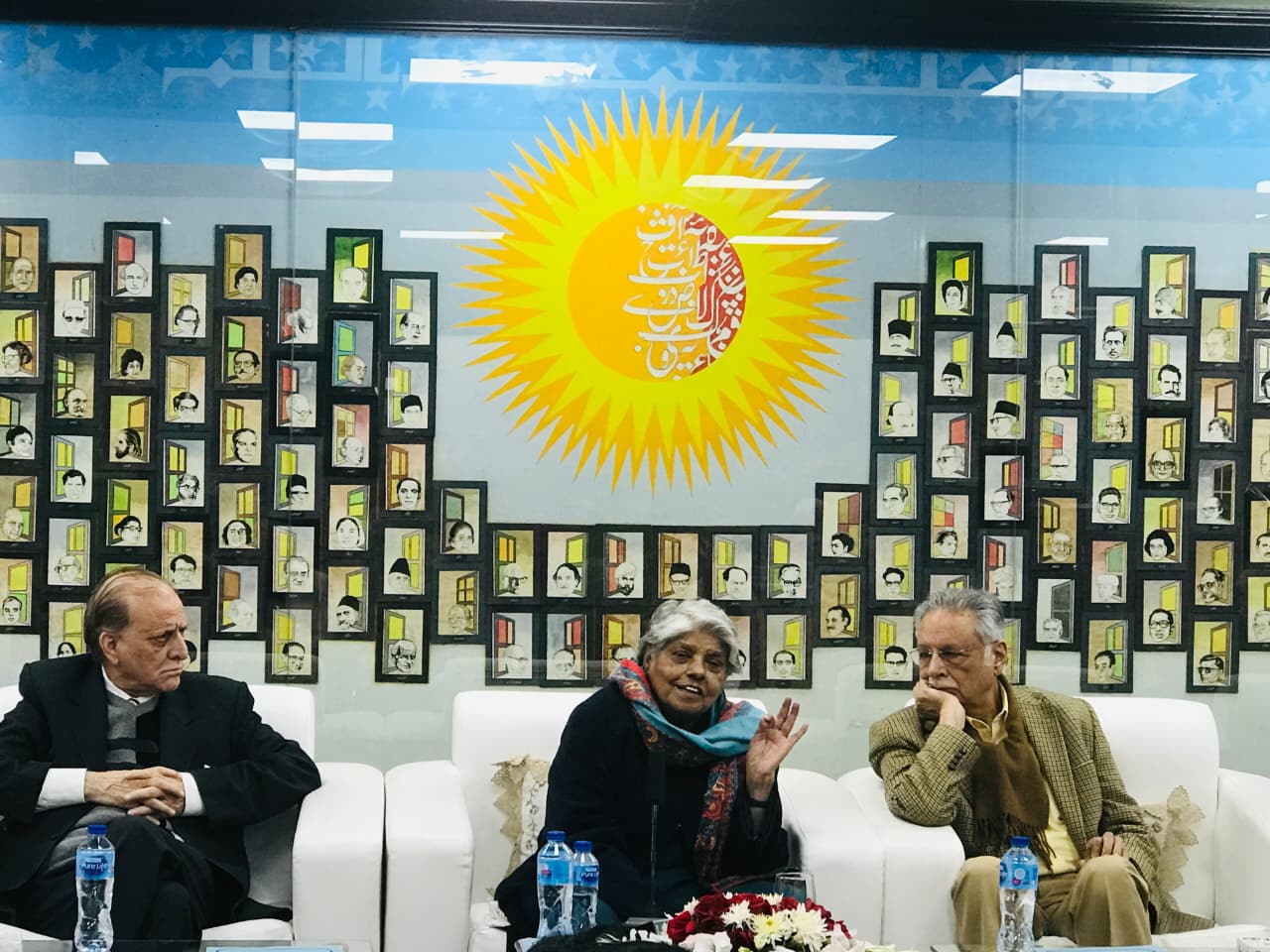
ISLAMABAD, Jan 24 (APP):Senator Pervaiz Rashid has emphasized that the promotion of literature required the effective use of modern technology and digital platforms.
He expressed these views while addressing the closing session of the second ten-day inter-provincial residential programme for writers, organized by the Pakistan Academy of Letters (PAL) under the National Heritage and Culture Division.
The closing ceremony was held at the Sheikh Ayaz Conference Hall, Pakistan Academy of Letters, Islamabad, with literary grace and dignity.
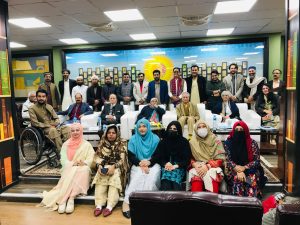
Prominent writers, poets, researchers, and intellectuals from across the country participated in large numbers.
The event commenced with the recitation of the Holy Quran by Qari Abdul Shakoor, followed by Naat-e-Rasool (SAWW) in the Brahui language, presented by Shehzad Sultan Baloch.
Renowned poet Kishwar Naheed presided over the session, while Senator Pervaiz Rashid served as co-chair. Dr. Maqsood Jafri, Jabbar Mirza, Imdaad Akash, and Saeed Akhtar Malik attended as special guests.
The proceedings were conducted by Rahman Hafeez.
In his address, Senator Pervaiz Rashid stated that books and literature must play a pivotal role in eliminating social divisions based on gender and religious affiliation. He said that writers and poets could promote tolerance, harmony, and human values through their creative and intellectual expressions, thereby laying the foundation for a civilized and healthy society. He stressed the urgent need for the effective use of technology and social media to broaden the reach and impact of literature. He recommended that literary events, discussions, and scholarly sessions organized by the Pakistan Academy of Letters should be broadcast online to ensure wider public participation, particularly among the younger generation and writers from remote areas.
Kishwar Naheed highlighted the importance of meaning, intellectual depth, and social truth in literature. She said that literature connected with the social realities of its time plays a crucial role in shaping collective consciousness, and that a writer’s foremost responsibility is to base creative work on humanism, truth, and intellectual integrity.
Jabbar Mirza remarked that learning is a lifelong process, as knowledge, reading, and experience are the true sources of intellectual growth and mental development.
Saeed Akhtar Malik appreciated the transparency, quality, and organization of the programme, and congratulated the Pakistan Academy of Letters on its efforts. Imdaad Akash described the programme as a model initiative for promoting intellectual dialogue, national cohesion, and cultural harmony among writers.
Participants of the ten-day inter-provincial residential programme shared their experiences and reflections, terming it an excellent opportunity for literary training, creative exchange, and strengthening connections among writers from different regions.
In her closing remarks, Dr. Najeeba Arif, Chairperson of the Pakistan Academy of Letters, praised the dedication, seriousness, and literary enthusiasm of the participants. She said that one of her key priorities was to integrate writers from rural areas into the national literary mainstream, noting that their creative and intellectual contributions are highly valuable but often remain overlooked.
She emphasized that the primary objective of the programme is to highlight rural and regional literature and showcase Pakistan’s linguistic, cultural, and civilizational diversity.
Dr. Najeeba Arif also shared details of other literary initiatives undertaken during her tenure and announced that the Pakistan Academy of Letters plans to organize an International Literary Conference in April 2026, which will host writers, poets, and intellectuals from around the world.
At the conclusion of the event, participants from all four provinces, as well as Gilgit-Baltistan and Azad Jammu and Kashmir, were awarded publications and certificates of appreciation by the Pakistan Academy of Letters.
Speakers and participants, while reflecting on the usefulness and positive impact of the inter-provincial residential programme, stressed the need to continue the initiative on a regular basis and lauded the Pakistan Academy of Letters for its significant contributions to literature.