ZAFAR HUSSAIN BEIJING, Jan 23 (APP):Beijing has continued to lead as the largest destination for Pakistani pine nuts in China in 2025, reflecting strong consumer demand, stable trade channels, and growing recognition of Pakistan’s premium dry fruits in the Chinese market, as per GACC trade data. Official figures from the General Administration of Customs of China (GACC) show that Beijing imported over 758,000 kilograms of Pakistani pine nuts in 2025, …
Beijing remains top destination for Pakistani pine nuts in China
ZAFAR HUSSAIN
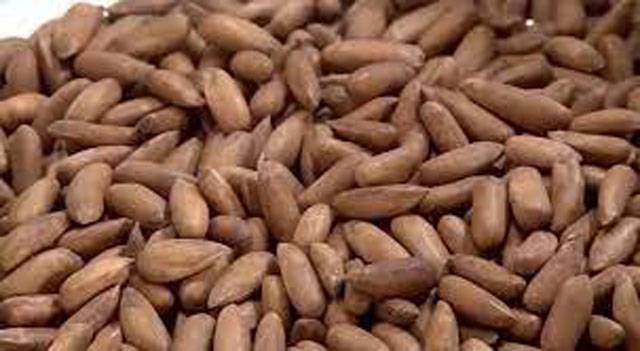
BEIJING, Jan 23 (APP):Beijing has continued to lead as the largest destination for Pakistani pine nuts in China in 2025, reflecting strong consumer demand, stable trade channels, and growing recognition of Pakistan’s premium dry fruits in the Chinese market, as per GACC trade data.
Official figures from the General Administration of Customs of China (GACC) show that Beijing imported over 758,000 kilograms of Pakistani pine nuts in 2025, valued at US$11.72 million, far surpassing other Chinese regions.
Other regions also recorded notable imports, including the coastal Zhejiang Province with a combined 379,000 kilograms valued at approximately US$5.95 million, followed by Shanghai with 8,720 kilograms worth US$166,310. The Xinjiang Uygur Autonomous Region followed with smaller volumes. While diversified demand is emerging across China, Beijing’s dominance remains clear in terms of both volume and value.
This strong market presence was also visible on the ground. During the recent “New Year Good Fair” (also known as the “New Year’s Gift Fair”) held at the National Agriculture Exhibition Centre near the Pakistani Embassy in Beijing, Pakistani pine nuts stood out as one of the most popular products among Chinese consumers. Coinciding with the peak Chinese New Year shopping season, the fair saw visitors show keen interest in the taste, quality, and health benefits of Pakistani pine nuts, with many describing them as a “must-buy” festive item.
Amjad Zarin, a Pakistani Associate Professor at China’s Jilin University, visited the fair and told Gwadar Pro that its timing—when gift purchases and premium food consumption traditionally surge—played a crucial role in boosting visibility and sales.
The professor noted that the price of Pakistani pine nuts at the fair was 280 RMB (around $40.1) per kilogram, which is very competitive compared to the local market in Pakistan. He added that the showcase highlighted Pakistan’s agricultural strengths and helped connect exporters with Chinese importers, retailers, and e-commerce platforms.
“Even on the streets, this popularity was evident. I personally saw a vendor selling Pakistani pine nuts at around 80 RMB per 500 grams, vocally promoting them as ‘Pakistani pine nuts at a cheaper price’ to attract customers,” he added.
Trade experts believe that improved logistics, consistent quality standards, and targeted promotional activities in cities like Beijing can further expand Pakistan’s share in China’s lucrative nut market. The Pakistani embassy and consulates in China could consider organising roadshows to promote this high-value product, similar to initiatives undertaken for Pakistani mangoes and handicrafts. With rising health consciousness and demand for high-end imported foods, Pakistani pine nuts are well-positioned to strengthen their foothold in China in the coming years.