Agriculture in Syria… one of the strongest pillars of reconstruction
Agriculture in Syria… one of the strongest pillars of reconstruction
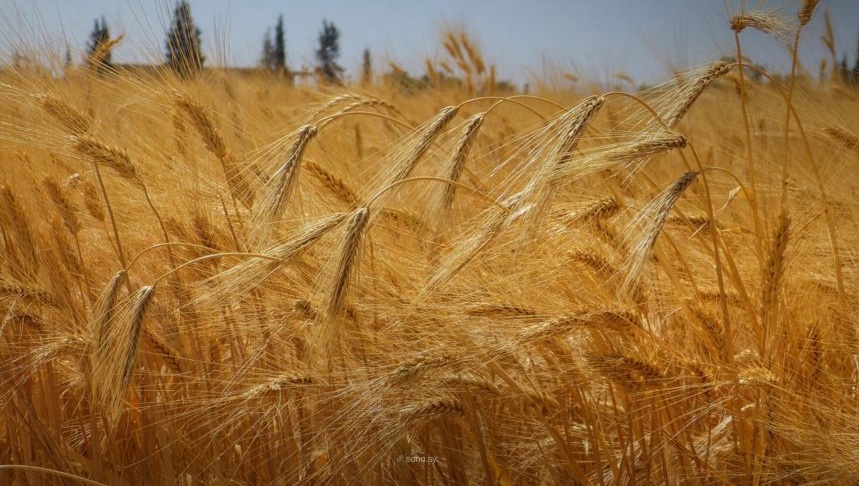
Damascus, Jan 16 (SANA/APP): The agricultural sector, which for many years has been the backbone of the Syrian economy, stands out as one of the most resilient sectors, having survived the devastating effects of the war waged by the ousted regime against the Syrian people between 2011 and 2024.
While the industrial, tourism, and service sectors were severely impacted, agriculture continues to play a strategic role in the country’s food security and economic recovery by maintaining production, albeit on a limited scale and intermittently.
With its geography stretching from the humid Mediterranean plains to the semi-arid plateaus of the interior, Syria possesses a rare climatic diversity that defines its identity as an “agricultural country.” The fertile valleys fed by the Euphrates and Tigris rivers, the grain basins of the Jazira region, and the irrigated areas around Hama, Homs, Aleppo, and Daraa constitute a vast production zone where rain-fed and irrigated agriculture is practiced together.
Before 2011, this structure not only ensured the majority of the country’s food security but also provided a regular supply of agricultural products to regional markets. However, these arrangements deteriorated severely during the war years when infrastructure was targeted, irrigation systems were destroyed, and logistics networks were shattered.
Experts say reviving agriculture offers the fastest and most cost-effective path to economic recovery, boosting rural employment, slowing migration, and stimulating related sectors such as transport, storage, and food processing. Strengthening agriculture also reduces reliance on costly imports, a critical factor given Syria’s limited financial resources.
Exports once provided vital foreign currency, but sanctions have disrupted access to fertilizers, seeds, fuel, and machinery. Lifting restrictions is seen as essential to restoring supply chains and enabling large-scale recovery.