ISLAMABAD, Jan 12 (APP): Afghanistan’s post-2021 security landscape continues to raise serious regional and international concerns. Despite repeated assurances, multiple terrorist organizations remain active on Afghan soil, while the country’s economy remains deeply tied to conflict dynamics. This combination has turned Afghanistan into a persistent source of instability rather than a neutral or stabilizing actor in the region. Afghanistan hosts several UN-designated terrorist organizations, a fact consistently highlighted in UN …
Afghanistan’s terrorist ecosystem a serious threat for regional stability
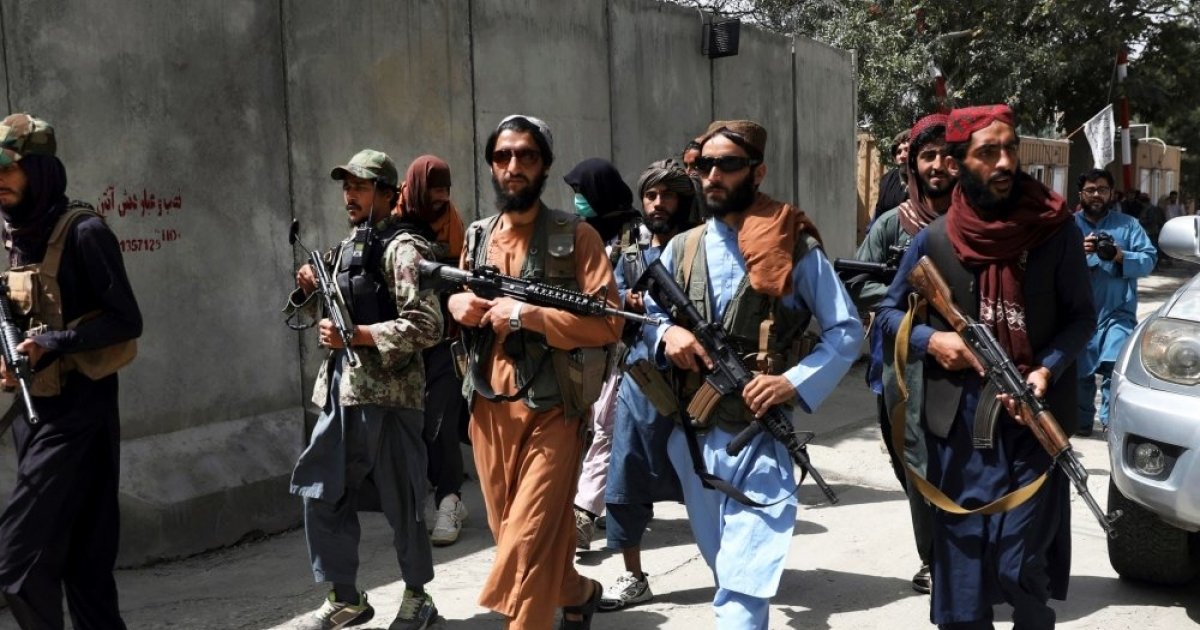
ISLAMABAD, Jan 12 (APP): Afghanistan’s post-2021 security landscape continues to raise serious regional and international concerns. Despite repeated assurances, multiple terrorist organizations remain active on Afghan soil, while the country’s economy remains deeply tied to conflict dynamics. This combination has turned Afghanistan into a persistent source of instability rather than a neutral or stabilizing actor in the region.
Afghanistan hosts several UN-designated terrorist organizations, a fact consistently highlighted in UN Sanctions and Monitoring Team reports. These groups operate with relative freedom, indicating the existence of permissive heavens rather than isolated security lapses.
The continued presence of the East Turkestan Islamic Movement (ETIM) poses a direct threat to China. UN listings and regional intelligence assessments confirm that ETIM fighters and facilitators remain based in Afghanistan.
Al-Qaeda’s survival in Afghanistan stands in open contradiction to international assurances. Re-emergence of Hamza Bin Laden & Hamza Al Ghamdi and the killing of Ayman al-Zawahiri in central Kabul in 2022 provides undeniable evidence that senior Al-Qaeda leadership was being sheltered under Taliban control.
Islamic State Khorasan Province (ISKP) remains operational, using Afghanistan as its primary theater. UN and EU reports describe the group as resilient, adaptive, and capable of launching attacks both domestically and against regional targets. During a recent hearing of the US House Foreign Affairs Subcommittee on South and Central Asia, Chairman Bill Huizenga explicitly also raised a similar question.
The Tehrik-e-Taliban Pakistan (TTP) continues to exploit Afghan territory as a rear base. Its ability to regroup and conduct cross-border attacks demonstrates the absence of meaningful enforcement against foreign terrorist groups.
These realities collectively suggest that the Afghan interim regime has reshaped the Afghan economy into a war economy. Revenue streams tied to conflict narcotics trafficking, smuggling, informal taxation, and militant patronage have become central to economic survival.
This war-based economic model explains the regime’s willful blindness toward terrorist safe havens. Terrorism is not merely tolerated; it is economically convenient and politically instrumental.
By allowing multiple terrorist groups to coexist, the interim regime avoids internal confrontation while benefiting from the financial and coercive power these groups generate. As long as terrorism remains embedded within Afghanistan’s economic and governance structures, instability will continue to spill across borders.