ISLAMABAD, Jan 13 (APP):Freedom Gate Prosperity (FGP), in collaboration with the Islamabad Chamber of Small Traders and Small Industries (ICSTSI) and the Atlas Network, held a consultative meeting on Tuesday to deliberate on easing business compliance and improving the ease of doing business for small traders and entrepreneurs. The meeting marked the initiation of the implementation phase of the Digital Compliance Gateway initiative. The event was held at the Islamabad …
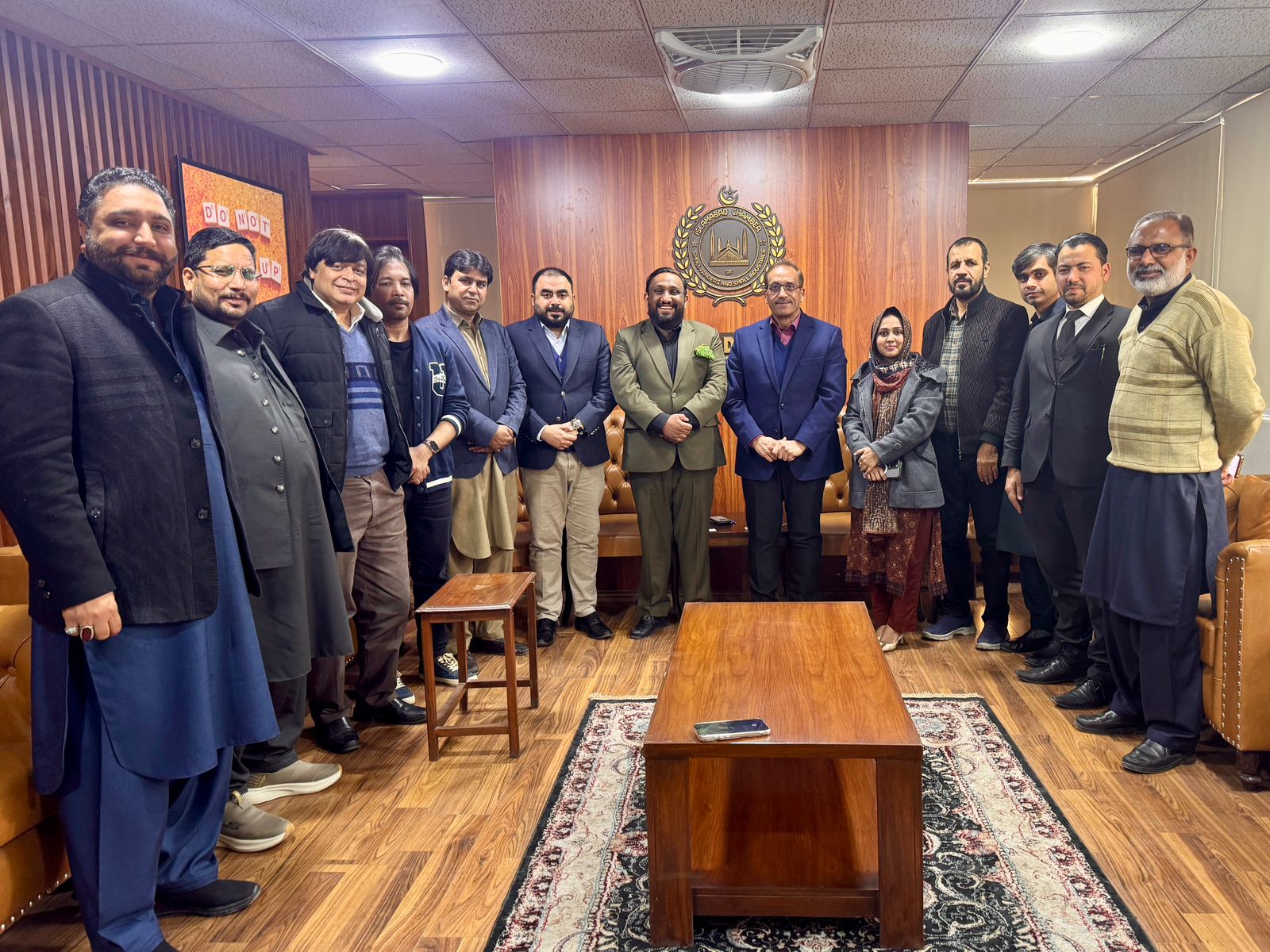
ISLAMABAD, Jan 13 (APP):Freedom Gate Prosperity (FGP), in collaboration with the Islamabad Chamber of Small Traders and Small Industries (ICSTSI) and the Atlas Network, held a consultative meeting on Tuesday to deliberate on easing business compliance and improving the ease of doing business for small traders and entrepreneurs.
The meeting marked the initiation of the implementation phase of the Digital Compliance Gateway initiative.
The event was held at the Islamabad Chamber of Small Traders and Small Industries (ICSTSI) and brought together policy advocates and representatives of the small business community to examine practical challenges in federal compliance processes. Participants discussed realistic reform options aimed at reducing regulatory burdens and encouraging the formalization of small enterprises.
The Freedom Gate Prosperity delegation was led by its Chief Executive Officer Muhammad Anwar and included Shafqat Aziz, Dr Shahbaz Tariq, and Asad Rafi, Chief Executive Officer of partner organization Micronox Digital.

The session was hosted by ICSTSI President Muhammad Awais Satti, along with members of the Chamber’s executive committee and representatives of small traders and industries, including Senior Vice President Sheikh Tayyab Saeed, Vice President Sardar Zaheer Ahmed, Sher Muhammad, and other senior members.
Speaking on the occasion, Muhammad Anwar said that fragmented and duplicative compliance requirements continue to place a heavy burden on small businesses by increasing costs and discouraging their entry into the formal economy.
He noted that the Digital Compliance Gateway is envisioned as a practical, evidence-based reform designed to consolidate initial compliance requirements through a simplified digital process, developed in close coordination with chambers representing grassroots entrepreneurs.
Welcoming the initiative, ICSTSI President Muhammad Awais Satti said that small traders frequently face delays, lack of clarity, and multiple points of interaction with regulatory institutions. He reaffirmed the Chamber’s support for policy reforms grounded in real business experience that can deliver tangible time and cost savings for small enterprises.
Participants agreed that the next phase of work would focus on documenting real compliance journeys of Chamber members, identifying key bottlenecks, and jointly developing a policy note for engagement with relevant federal authorities.
As a way forward, both sides agreed to nominate member businesses for case documentation, designate focal persons for coordination, and continue structured engagement to advance practical, pro-business regulatory reforms.