MULTAN, Jan 11 (APP):Persistent wave of cold has tightened its grip across South Punjab, disrupting daily life and straining household budgets as temperatures plunged well below seasonal averages. Cities including Multan, Bahawalpur, Dera Ghazi Khan and Rahim Yar Khan continued to experience chilly mornings and cold nights, with only brief and weak sunshine during the day for last few days. According to local meteorological observations, maximum temperatures in most parts of South Punjab hovered …
Cold wave in South Punjab
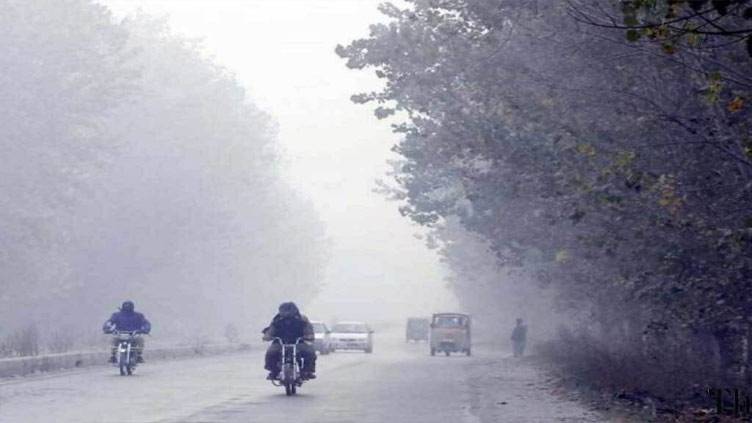
MULTAN, Jan 11 (APP):Persistent wave of cold has tightened its grip across South Punjab, disrupting daily life and straining household budgets as temperatures plunged well below seasonal averages.
Cities including Multan, Bahawalpur, Dera Ghazi Khan and Rahim Yar Khan continued to experience chilly mornings and cold nights, with only brief and weak sunshine during the day for last few days.
According to local meteorological observations, maximum temperatures in most parts of South Punjab hovered between 14°C and 17°C, while minimum temperatures dropped to 3°C to 6°C.
In some rural and riverine areas, particularly near canals and low-lying belts, night temperatures were reported even lower, intensifying the feeling of cold due to dense fog and damp air.
Abdul Razzaq, DFO at Met office told APP that when the gap between maximum and minimum temperatures is lower, it enhances cold adding that on Saturday the minimum and maximum temperatures were recorded 0.5 C and 8.5 C.
He informed that the current wave would continue by Jan 20 in the Southern Punjab and added that rains were not expected during these days.
Experts attribute the unusually intense and prolonged cold spell to a combination of factors. The frequent intrusion of cold continental air from Central Asia, coupled with clear night skies, has resulted in rapid heat loss after sunset. Reduced wind movement has allowed cold air to settle, while persistent fog has limited daytime warming by blocking sunlight. Climate specialists also point to changing weather patterns linked to global climate variability, which is making winter extremes more frequent and prolonged.
The impact on everyday life has been significant. Early morning routines have been disrupted as thick fog reduced visibility on highways, delaying intercity transport and affecting school attendance. Farmers expressed concern over frost damage to vegetables and fodder crops, while daily wage earners reported fewer working hours due to biting cold.
Rising cold has also fueled inflation in food and winter essentials. Prices of seasonal vegetables increased as supply chains slowed. Notably, the price of trout fish, popular in winter for its perceived warming effect, surged sharply. In local markets, trout was being sold between Rs 1,800 and Rs 2,200 per kilogram, compared to around Rs 1,400 earlier in the season.
Similarly, the cost of winter clothing has risen. Woolen gloves that were available for Rs 250–300 at the start of winter are now selling for Rs 400–600, while better-quality thermal gloves cost even more. Prices of caps, shawls, socks, heaters and quilts have also gone up.
As the cold wave persists, residents of South Punjab continue to brace for harsh mornings and frigid nights, hoping for a gradual rise in temperatures in the coming days while struggling to cope with both the chill and its economic consequences.