PESHAWAR, Jan 08 (APP):As winter tightens its grip on the Peshawar Valley, a burst of colour and fragrance is offering residents a welcome escape from the cold and the city’s growing environmental challenges through Gul-e-Dawoodi exhibitions. The delicate yet bold blooms of Gul-e-Dawoodi (Chrysanthemum) have taken centre stage at winter flower exhibitions at the University of Agriculture and Islmia College University at Peshawar, rekindling memories of the city’s once-celebrated identity …
Winter blooms brighten Peshawar as Gul-e-Dawoodi revives floral heritage
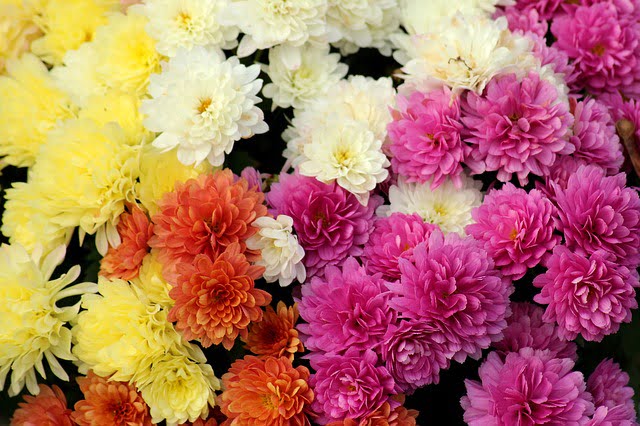
PESHAWAR, Jan 08 (APP):As winter tightens its grip on the Peshawar Valley, a burst of colour and fragrance is offering residents a welcome escape from the cold and the city’s growing environmental challenges through Gul-e-Dawoodi exhibitions.
The delicate yet bold blooms of Gul-e-Dawoodi (Chrysanthemum) have taken centre stage at winter flower exhibitions at the University of Agriculture and Islmia College University at Peshawar, rekindling memories of the city’s once-celebrated identity as the “City of Flowers.”
Organized by the department of horticulture and these universities, the exhibitions showcased nearly 30 varieties of Gul-e-Dawoodi, along with French and African cultivars of Gul-e-Sadburg (Marigold).
The dazzling displays have drawn flower lovers, horticulturists, students, and families from across Peshawar and neighbouring districts, turning the university grounds into a vibrant winter festivals.
Towering on nearly two-foot-long stems, Gul-e-Dawoodi is known for its extraordinarily large blooms and rich palette of colours especially white, yellow, bronze, pink, and deep purple, attracting flowers lovers in droves.
A quintessential winter flower, it is prized not only for its beauty but also for its suitability in home décor, its air purifying qualities, and its ability to bring warmth and life to otherwise grey winter days.
“The climate and soil of Khyber Pakhtunkhwa and parts of central Punjab are ideal for growing Gul-e-Dawoodi,” said Dr Abdul Rauf, Director General Agriculture.
“With proper water, light, and care, it thrives remarkably well in this region especially during winter due to its suitable weather conditions,” he said.
Among the many visitors at these exhibitions was Riaz Khan, a retired schoolteacher who travelled from Nowshera especially for Gul e Dawood amid rows of towering chrysanthemums, with visible excitement.
“Gul-e-Dawoodi has been my favourite winter flower since childhood,” he said. “I have been coming to Peshawar for these exhibitions for decades besides planted its different varieties at home.
The flowers lover said seeing so many colours and fragrances together brings energy and happiness during the cold season.
Beneath the beauty of the blooms, the exhibition also stirred reflection and concern. Several visitors observed that the contrast between the flowers’ freshness and worsening air quality in Peshawar was needed to be care about.
“It is painful to see how air pollution has engulfed the once called city of flowers” Riaz added quietly. “Instead of the fragrance of flowers, people are breathing smoke and dust these days here.”
He described the flower exhibition as “a great blessing” for the people of Peshawar. “I am thankful to the University of Agriculture and Isamia College Peshawar for organizing such a beautiful events. It gives people hope and reminds us of what a cleaner, greener city could feel like.”
“If floriculture is declared an industry, it would change everything positively in KP,” said Dr Nafees, Chairman Environmental Sciences Department at UoP.
He reiterated, “KP has enormous potential for this vital sector. This field can empower women and youth, and help Pakistan tap into billion-dollar global flowers markets.”
Floriculture experts agree that Pakistan’s soil and climate are among the best in the world for ornamental plants. However, floriculture remains one of the province’s most overlooked agri-economies.
Dr Abdul Rauf, Director General Agriculture, explained that floriculture covers not just the cultivation of ornamentals but also their marketing ranging from cut flowers and live plants to essential oils, scents and even medicinal by-products.
“In Pakistan, most flowers bloom during winter, when Europe and Central Asia mostly sink under snow,” he said. “This gives us a natural competitive advantage and our Govt must cash it.”
The returns, too, are striking for many poor farmers associated with this key business. While crops like potatoes or cherries earn farmers about Rs 80,000–100,000 per kanal, flowers can fetch Rs 1.5 to 2 million per kanal which is a key potential economic windfall often overlooked by our policymakers.
Global demand for cut flowers continues to rise by 10–15% annually, he said, adding Netherlands dominates the flowers export market with $3.9 billion, yet Pakistan, with larger arable land, cheaper labour and favourable climate, has not captured even a fraction of this blessed opportunity.
“Pakistan just needs improved production technology and coordinated policies to promote this vital sector,” Dr Rauf stressed.
Dr Zilakat Malik, former Chairman of the Economics Department at the University of Peshawar, believed that floriculture could transform Pakistan’s rural economy especially at a time when traditional crops are consuming over 90% of the country’s freshwater resources.
“Flowers require significantly less water than sugarcane or rice,” he said and added that they offer far higher returns per acre. For small farmers with limited land, this is a game changer for Pakistan.”
He reiterated that floriculture also creates jobs opportunities in value addition such as perfumes, essential oils and natural dyes which can absorb women and youth into the workforce.
However despite these advantages, the sector remains largely informal and underfinanced in Khyber Pakthunkhwa. Farmers face volatile prices and high spoilage due to inadequate cold storage and transportation. Many growers lack the technical support needed to meet market demands or combat plant diseases.
This paradox is especially visible in Pattoki Kausar, home to Pakistan’s largest flower market. Most growers there are small-scale, lacking the capital to build climate-resilient greenhouses or adopt drip irrigation systems.
“Climate change has made traditional farming riskier,” Dr Malik added. “Floriculture offers resilience, but small farmers must be supported to withstand climate-related shocks.”
Experts unanimously emphasized the need for targeted policy action in KP. Integrating floriculture into provincial agricultural strategies, incentivising private investment in cold chains, and forming public-private partnerships can dramatically boost yields and quality of flowers in KP.
Strengthening extension services and offering specialised training can help growers meet global export standards at national level. Digital platforms can connect them with buyers directly, cutting out middlemen and increasing profit margins.
“Pakistan stands at a crossroads,” Dr Zilakat said. “We can continue depending on water-thirsty, low-value crops or diversify into high-value, climate-resilient sectors like floriculture.”
In Nowshera, 32-year-old Sumbal Riaz has quietly built her own floral micro-enterprise from home. “I started with just a few pots,” she said. “Now I earn a substantial income.” Her young Gul-e-Dawoodi plants are transported to Tarnab, where they sell out quickly during winter.
Sumbal urges the KP government to provide interest-free loans to help women entrepreneurs expand their ventures. “With a little support, so many women can stand on their own feet,” she said.
According to Muhammad Diyar Khan, Project Director of the Billion Trees Afforestation Project, the KP government is working to support climate resilience and youth entrepreneurship through plants initiatives.
“Green jobs have already been provided to thousands of women and youth,” he said. “Floriculture can become another strong avenue for sustainable livelihoods.”
From Peshawar to Kasur, from Swat to Thatta, Pakistan’s natural environment offers the canvas of a thriving floriculture industry waiting to bloom. All it needs now is strategic support and the country’s rural communities may soon be cultivating not just flowers, but a more prosperous future.
For many visitors, the Gul-e-Dawoodi exhibitions is more than a seasonal display. It is a reminder of nature’s resilience, the therapeutic power of flowers, and the urgent need to protect the environment that sustains them.
As winter continues, the vibrant chrysanthemums stand tall offering colour, comfort, and a quiet call for renewed appreciation of horticulture, research, and sustainable living in Peshawar subject to combating air pollution.