ISLAMABAD, Dec 31 (APP): Against the backdrop of intensifying floods, heatwaves and growing water stress, the Ministry of Climate Change and Environmental Coordination (MoCC&EC) has outlined key policy measures, response initiatives and international engagements undertaken during 2025, a year that once again underscored Pakistan’s acute vulnerability to climate extremes and the need for sustained, long-term preparedness. Sharing year-end details, the Ministry’s media spokesperson and climate policy advocacy expert, Mohammad Saleem …
Pakistan steps up climate resilience as climate ministry outlines key actions, reforms in 2025
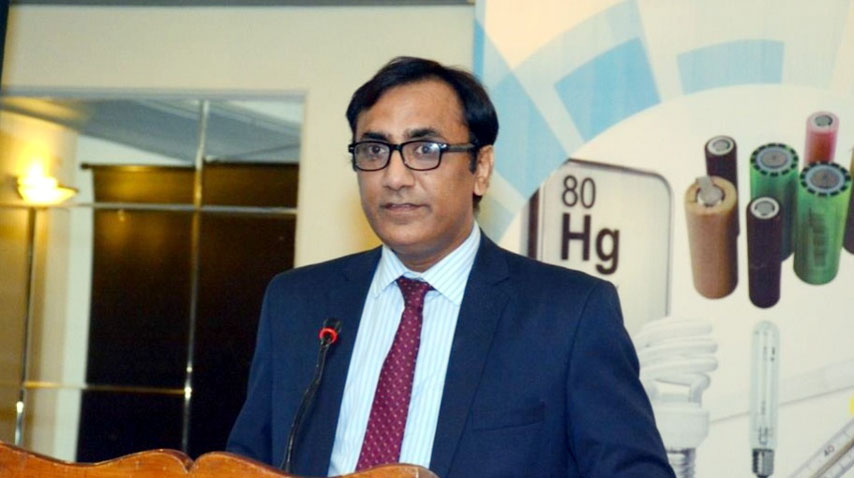
ISLAMABAD, Dec 31 (APP): Against the backdrop of intensifying floods, heatwaves and growing water stress, the Ministry of Climate Change and Environmental Coordination (MoCC&EC) has outlined key policy measures, response initiatives and international engagements undertaken during 2025, a year that once again underscored Pakistan’s acute vulnerability to climate extremes and the need for sustained, long-term preparedness.
Sharing year-end details, the Ministry’s media spokesperson and climate policy advocacy expert, Mohammad Saleem Shaikh, said that climate resilience and disaster preparedness dominated policy deliberations and response mechanisms throughout the year, following repeated episodes of extreme weather across the country.
He recalled that, on the prime minister’s directives, a 300-day national climate preparedness and resilience plan was rolled out to strengthen coordination among federal and provincial authorities ahead of future monsoon seasons.
“The emphasis has been on improving early warning systems, flood mitigation measures and restoring critical infrastructure damaged by recurring climate shocks,” Shaikh said, adding that the plan aims to address institutional fragmentation and accelerate emergency response through a more coordinated framework.
He noted that 2025 witnessed prolonged and severe heatwaves in Sindh, Balochistan and parts of southern Punjab, prompting the ministry to call for integrated heat adaptation measures.
These included public health advisories, emergency water supply arrangements and the establishment of cooling centres in high-risk areas, the ministry official added.
“Heatwaves are no longer episodic events; they are structural features of our climate reality,” the spokesperson said, stressing that urban planning, public health systems and labour protections must evolve to reflect rising temperature trends.
On the policy front, Shaikh said the ministry approved Pakistan’s third carbon credit initiative under Article 6.2 of the Paris Agreement. The Safe Drinking Water Programme in Punjab, developed in partnership with the Punjab Saaf Pani Authority and a South Korean firm, is expected to attract foreign investment while reducing emissions through expanded access to clean drinking water.
He described the initiative as a step towards monetising climate mitigation efforts, while cautioning that carbon markets alone cannot address Pakistan’s broader adaptation financing needs. “Carbon credits may help fund specific projects, but they are not a substitute for large-scale climate finance promised to climate-vulnerable countries,” he said.
Environmental advocacy also featured prominently during World Earth Day, when Federal Minister Senator Dr Musadik Masood Malik reiterated Pakistan’s commitment to transitioning towards renewable energy and reducing reliance on fossil fuels. According to the ministry, progress continued on clean energy policies, green jobs and electric mobility, though challenges remain in translating policy ambition into implementation.
Glacial melt emerged as another pressing concern during the year. Shaikh said the ministry prepared an initial framework for a glacier protection and climate adaptation policy, which was circulated for stakeholder consultation. Pakistan hosts over 13,000 glaciers, many of which are retreating rapidly, increasing the risk of glacial lake outburst floods in northern regions.
“Glacier protection can no longer be treated as a regional issue; it has national implications for water security and disaster risk,” he stressed.
Highlighting Pakistan’s international climate engagement, Shaikh said the ministry maintained an active presence at global forums. At the UN climate summit in Belém, Brazil, Pakistan renewed calls for predictable and equitable climate finance, enhanced technology transfer and fulfilment of commitments by developed countries.
“Pakistan continues to suffer disproportionate losses despite contributing less than one per cent to global emissions,” he said, adding that climate diplomacy remains critical for securing adaptation funding amid rising climate-related costs.
Water security remained a recurring theme in 2025. During Pakistan Water Week, ministry representatives warned that erratic rainfall patterns, glacial retreat and groundwater depletion were converging into a long-term crisis affecting agriculture and urban centres alike.
The ministry also engaged with other federal departments and the private sector on climate-appropriate plantation projects along highways and worked towards developing a national framework for electronic waste management — areas where regulatory gaps have long persisted.
Shaikh added that public awareness and climate risk communication were strengthened throughout the year in collaboration with the Pakistan Meteorological Department and disaster management authorities.