ISLAMABAD, Dec 30 (APP):Kashmir Institute of International Relations (KIIR) Chairman, Altaf Hussain Wani has expressed his deep concern over ongoing land acquisition, environmental destruction, and human rights violations in Indian Illegally Occupied Jammu and Kashmir (IIOJK). In a joint letter, addressed to UN special rapporteurs, the KIIR chief said that the imminent threat faced by the people of Jammu and Kashmir to their environment, livelihoods, and cultural heritage highlights that …
Wani expresses concerns over ongoing land acquisition, environmental destruction, human rights violations in IIOJK
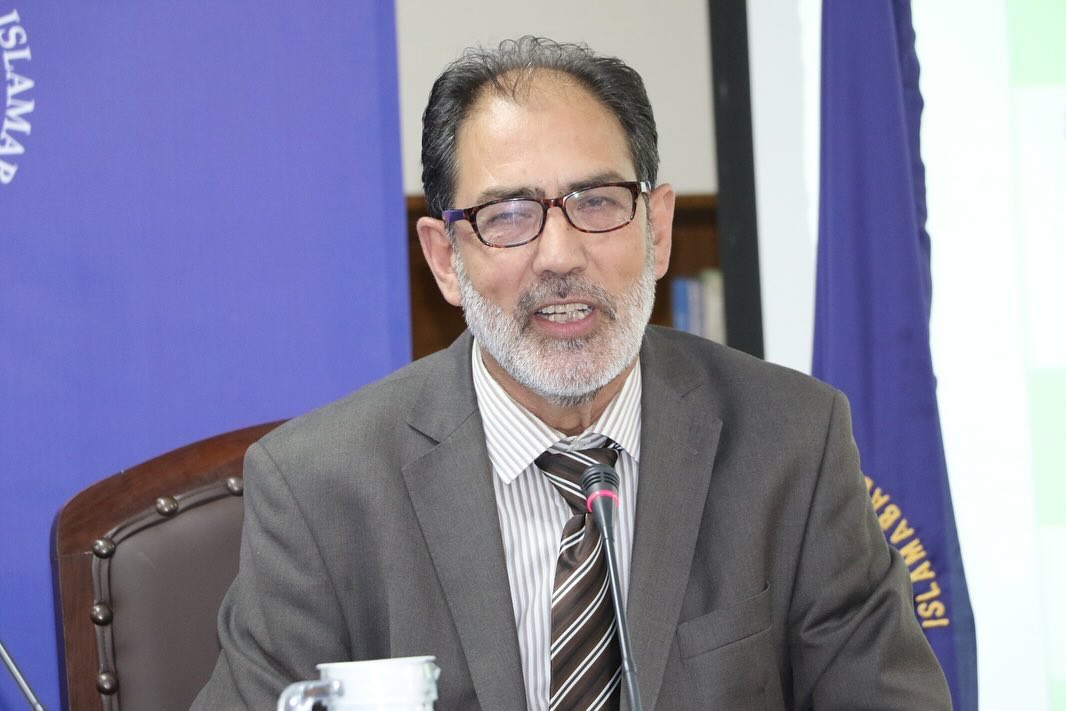
ISLAMABAD, Dec 30 (APP):Kashmir Institute of International Relations (KIIR) Chairman, Altaf Hussain Wani has expressed his deep concern over ongoing land acquisition, environmental destruction, and human rights violations in Indian Illegally Occupied Jammu and Kashmir (IIOJK).
In a joint letter, addressed to UN special rapporteurs, the KIIR chief said that the imminent threat faced by the people of Jammu and Kashmir to their environment, livelihoods, and cultural heritage highlights that ongoing land acquisitions—carried out under the guise of so-called development projects—reflect a profound disregard and alarming lack of sensitivity on the part of the Government of India toward the social, ecological, and cultural realities of the region.
“It also reflects Indian government’s failure to uphold the internationally recognized commitment it had made under the UNCIP resolutions”, he said.
“Following the abrogation of Article 370, the Government of India introduced new legislation and amended the Land Grants Rules that dismantled long-standing land protections, opened land transfers to non-residents, and vested sweeping powers over so-called “strategic” land in central agencies and armed forces”, the communique said, adding that between 2019 and 2022, more than 2,359 hectares of state land were reportedly acquired by the government, raising serious concerns about demographic engineering and the marginalization of indigenous communities.
Highlighting the devasting impacts of the proposed railway project in Pulwama and Shopian, Altaf Hussain Wani noted that the project is expected to destroy approximately 700,000 fruit-bearing trees, consume over 600 acres of fertile agricultural land, and directly affect the livelihoods of more than 100 families.
He said that experts have already warned of severe ecological consequences, including deforestation, soil degradation, disruption of irrigation systems, and long-term damage to the region’s fragile environmental balance.
Despite official claims of economic and tourism benefits, he said, ” Local communities view these “infrastructure projects” including the Z-Morh tunnel inaugurated in January 2025—as serving military and strategic objectives rather than genuine civilian development”.
These actions, he mentioned, violate the right to a clean, healthy, and sustainable environment, as well as the right to livelihood and an adequate standard of living in a region where land is acquired without meaningful consultation, consent, or adequate compensation.
Wani urged the relevant UN Special Rapporteurs to conduct an urgent assessment of the environmental, social, and human rights impacts of these projects; engage with the Government of India to protect affected communities in Pulwama and Shopian; recommend alternative routes that avoid fertile land and displacement; and ensure full compliance with international human rights and environmental standards.
The people of Pulwama and Shopian face an imminent threat to their environment, livelihoods, and cultural heritage. Timely international intervention is essential to safeguard their rights and promote sustainable, rights-based development in the region.