ISLAMABAD, Dec 26 (APP):Pakistan has registered 144 olive startups as part of a decade-long government initiative aimed at developing the country’s olive sector. Dr Muhammad Tariq, National Project Director of the Olive Promotional Programme, told Wealth Pakistan that the sector has witnessed rapid growth over the past 10 years due to sustained government backing. “Ten years ago, when the government started this programme, we had only one entrepreneur. Today, we …
Pakistan registers 144 olive startups as industry expands
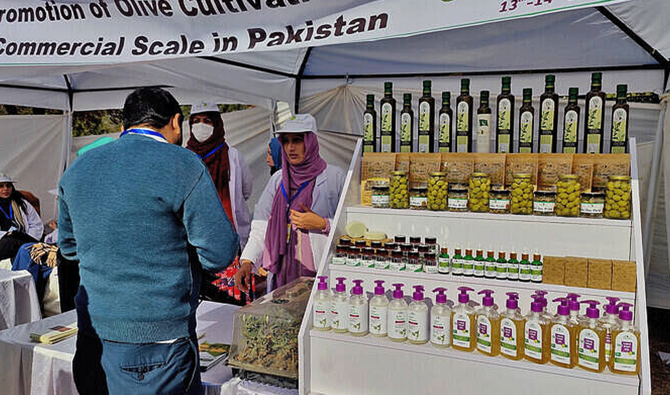
ISLAMABAD, Dec 26 (APP):Pakistan has registered 144 olive startups as part of a decade-long government initiative aimed at developing the country’s olive sector.
Dr Muhammad Tariq, National Project Director of the Olive Promotional Programme, told Wealth Pakistan that the sector has witnessed rapid growth over the past 10 years due to sustained government backing. “Ten years ago, when the government started this programme, we had only one entrepreneur. Today, we have 144 startups and entrepreneurs. It is a very fast-growing sector,” he said.
He noted that the government’s continued support had played a central role in transforming the olive sector into a viable agro-industry. The federal minister for National Food Security and Research has also taken steps to further strengthen the sector by pursuing Pakistan’s full membership in the International Olive Council. “Hopefully, there will be good news within three months,” he said.
Dr Tariq said the Planning Commission of Pakistan has been approached to examine options for further uplifting the sector, indicating the government’s commitment to sustaining long-term growth. He added that the initiative originally began as a pilot project with support from the Government of Italy, which laid the foundation for the current expansion phase.
He said Pakistan initially depended entirely on imported olive plants, but the situation has changed significantly over the past few years. “Imports have stopped, and local nurseries are now producing certified plants,” he said, adding that this shift had strengthened domestic capacity.
Dr Tariq said the country has also witnessed a notable reduction in olive oil imports between 2019 and 2025, largely due to growing consumer confidence in locally produced olive oil. However, he pointed out that challenges remain in areas such as bottling, packaging, labeling and certification.
Dr Tariq said efforts were under way to address these gaps by strengthening quality infrastructure. “We are working to secure accreditation for olive oil certification laboratories and establish ISO-certified facilities,” he said, adding that such measures would help standardise production and improve market credibility.
He also noted that while the sector had expanded rapidly, technical support had not kept pace with its geographical spread. “Our Italian partners still provide technical assistance, but it is limited. Olives are now being grown across the country, and extension services are under pressure,” he said.
Looking ahead, Dr Tariq said the sector must diversify beyond olive oil alone. “We are currently focused on oil, but there are many other avenues such as pomace oil, virgin oil, lampante oil, pellet production and nutraceuticals. These areas have yet to develop and hold significant potential for farmers,” he added.