ISLAMABAD, Dec 24 (APP): Experts at the concluding leg of a symposium on Wednesday called for translating Pakistan’s youth bulge into a demographic dividend through credible disaggregated data, with policymakers, UN officials and development practitioners underscoring data-driven investment in human capital as a national priority. The ‘National Data for Development (D4D) Symposium 2025’ was organized by the UNFPA in partnering with Sustainable Development Policy Institute (SDPI) and with the support …
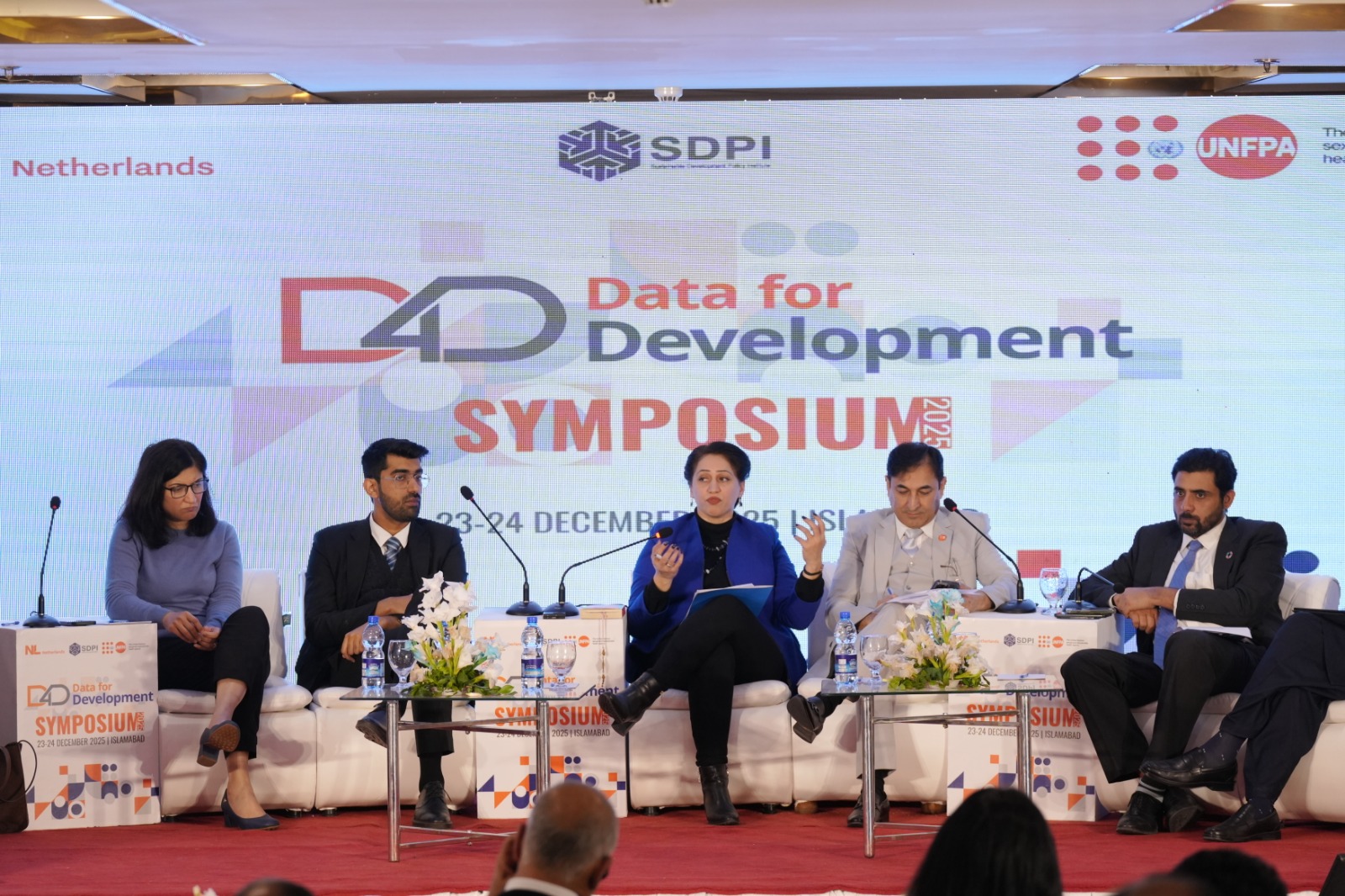
ISLAMABAD, Dec 24 (APP): Experts at the concluding leg of a symposium on Wednesday called for translating Pakistan’s youth bulge into a demographic dividend through credible disaggregated data, with policymakers, UN officials and development practitioners underscoring data-driven investment in human capital as a national priority.
The ‘National Data for Development (D4D) Symposium 2025’ was organized by the UNFPA in partnering with Sustainable Development Policy Institute (SDPI) and with the support from the Government of the Netherlands, said a press release.
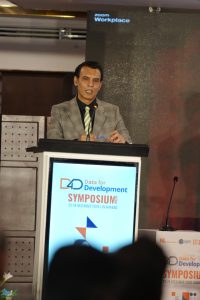
Speaking on the occasion, UNFPA Country Representative Dr Luay Shabaneh said Pakistan must address disconnects across sectors and strengthen governance of statistics. He described D4D as a catalyst for a trusted, policy-oriented data model driven by national needs. He outlined five pillars for reform, including institutional structures, legal frameworks and enforcement, technical capacity, cultural change and data governance. He added that data is public good and trust is built through openness and accountability.
Dr Naeem uz Zafar, Chief Statistician of Pakistan, said the push for integrated data platforms has gained momentum at the provincial level. He termed the Youth Development Index a significant step towards evidence-based youth policy and outlined PBS’s vision for a trusted data ecosystem spanning census and administrative data, noting that data democratisation is a long-term process.

Dr Gulnara Kadyrkulova, the UNFPA Deputy Country Representative, delivered the vote of thanks, acknowledging Minister Rana Mashhood Ahmad Khan, partner organizations, government departments, UN agencies, academia and development partners for their contributions to advancing the D4D agenda.
Concluding the symposium, Executive Director SDPI, Dr Abid Qaiyum Suleri, highlighted tangible outcomes of the D4D initiative, including enhanced access to data and improved transparency. He said demand-driven platforms such as the Sindh and Balochistan Data Dashboards and the Youth Development Index were developed at the request of public sector departments with UNFPA and SDPI linking technical expertise to deliver technology-based solutions. He thanked federal and provincial departments and ministries for their support and coordination to achieve D4D objectives.
Earlier, the second day proceedings opened with Muqaddar Shah, Lead D4D UNFPA, who provided an overview and wrap-up of the first day, setting the context for discussions on how government initiatives, the private sector, UN agencies and development partners can jointly invest in and benefit from data-informed development.
The first session on Day 2 was a panel discussion, titled: “The Demographic Dividend and Youth: Investing in Human Capital”, featured provincial representatives highlighting regional challenges and responses. The session was moderated by Kazim Salman, who framed the discussion around unlocking human capital within what speakers described as a limited but critical demographic window. Dr Muhammad Tahir Ghaznavi, Humanitarian Resilience Coordinator at UNFPA, in his keynote address, said Pakistan’s future rests on its youth buldge, as it is a ‘gift’ that can yield dividends if invested wisely.
He called for sustained investment in health, education, empowerment and skills development, describing data as the “main compass” guiding youth empowerment. Disaggregated data exposes inequalities such as school dropout rates, unemployment, maternal health gaps and other vulnerabilities, he said, adding that no young person should remain ignored or unheard. He urged, policies must be framed with empathy and courage, as demographic dividends are measured not in numbers but in outcomes
Sajjad Aslam, Additional Secretary for Sports, Balochistan, said the province must be defined not only by geography but by demography. He described data as a critical tool for survival and security, citing a 3.2 per cent population growth rate — higher than the national average — and a “youthquake” with nearly two million people entering the labour market annually. Highlighting a triple crisis of health, education and employment, he shared stark indicators, including a 54 per cent literacy rate, 57 per cent out-of-school children, widespread malnutrition, high levels of stunting and anaemia among youth, and early marriage among girls. He said prolonged security challenges had fueled radicalization, but initiatives under the Youth Policy 2024 and a Rs500 million PSDP programme—65 per cent completed—were helping counter these risks. He emphasised that policy without data is “blind,” calling for district-level granularity and inviting partners to support the ongoing Digital Youth Registry.
Abdullah Shah, Additional Secretary Sports, Khyber Pakhtunkhwa, underscored the data’s role in guiding cross-cutting policy decisions. He said KP is revising its youth policy with UNFPA’s support under four pillars—education, engagement, employment and environment—while acknowledging gaps in translating research into action. He highlighted a Rs5 billion allocation for the Hunarmand Naujawan programme, district-level youth offices across KP including merged districts, entrepreneurship initiatives, deradicalisation efforts through madrassa engagement, and the establishment of Jawan Markaz incubation centres.
The second panel session on Open Data, Government and Governance moderated by Shah Muhammad Azhar from UNRCO featured Umer Akhlaq Malik (UNDP), Rabia Razzaque (ILO), Muqaddar Shah (UNFPA), Fahmida Khan (Deputy Country Representative, UN Women) and Shehryar (IOM), focusing on transparency, coordination and the role of open data in strengthening governance. The panelists highlighted disconnect between diverse data sets across the country that required a unified platform coallating multiple information resources addressing crosscutting sector-related data needs.