BEIJING, Dec 22 (APP):Pakistan's textile and apparel exports to China demonstrated resilience during January–November 2025, supported by steady demand for core textile inputs and a gradual expansion of value-added categories. According to the latest figures released by the General Administration of Customs of China (GACC), Pakistan's shipments across major textile and apparel product categories covered in the trade data totaled about $488.5 million during January–November 2025. The data indicate two …
Pakistan’s Textile, apparel shipments to China show sustained strength in 2025
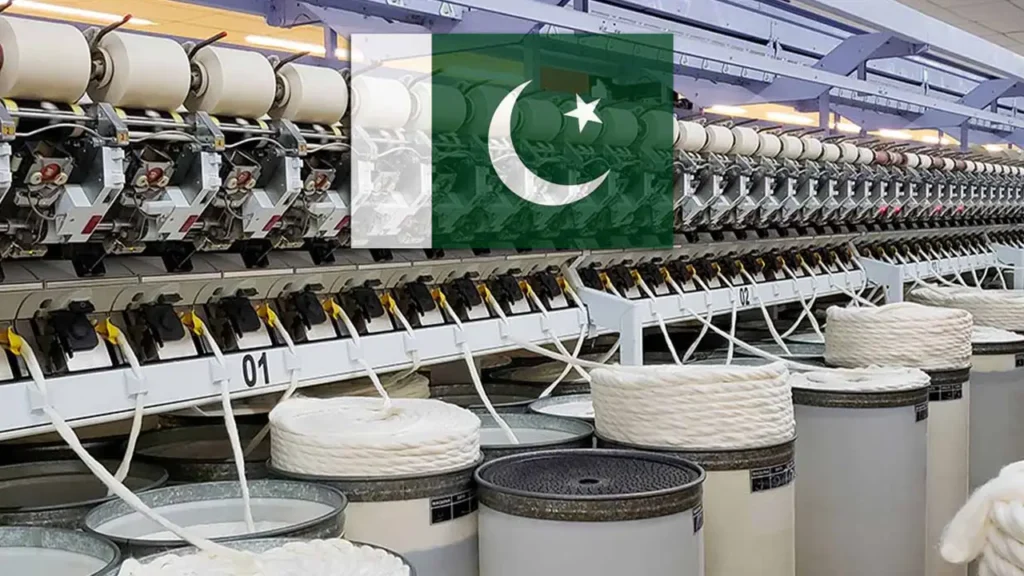
BEIJING, Dec 22 (APP):Pakistan’s textile and apparel exports to China demonstrated resilience during January–November 2025, supported by steady demand for core textile inputs and a gradual expansion of value-added categories.
According to the latest figures released by the General Administration of Customs of China (GACC), Pakistan’s shipments across major textile and apparel product categories covered in the trade data totaled about $488.5 million during January–November 2025.
The data indicate two leading cotton yarn categories among Pakistan’s major export items: one cotton yarn line reached $205.4 million (8.20%), while another totaled $181.1 million (7.23%). Combined, these two cotton yarn exports amounted to approximately $386.5 million, totaling $391.22 million in the first eleven months of 2025, CEN reported.
Export dynamics strengthened in the second half of the year. Pakistan’s exports to China recorded 8.69% year-on-year growth in July–November, with sustained monthly increases through July (+14.6%), August (+17.9%), and September (+19.4%).
At the same time, several consumer-facing categories—including women’s wear, home textiles, and select made-up textile articles—registered notable gains, indicating pockets of diversification in Pakistan’s China-bound textile portfolio.
In particular, women’s garments rose to $10.3 million (+18% YoY) and home textiles increased to $5.3 million (+27% YoY). Smaller but fast-growing categories also posted strong gains, including carpets at $0.62 million (+95% YoY), babies’ garments at $0.34 million (+102% YoY), and made-up textile articles at $0.54 million (+102% YoY), highlighting emerging niche opportunities in the Chinese market.
Owais Mir, Founder of Dynamic Engineering & Automation Industry group, told CEN that the textile exports to China continued to show strength in traditional yarn-based exports, and an emerging, though still smaller, pipeline of finished and semi-finished textile products that align with China’s growing retail variety and e-commerce-driven product segmentation. In particular, the improvement in women’s garments and home textile items suggests scope for targeted brand development, compliance upgrades, and buyer partnerships in specialized market niches.
“Looking ahead to 2026, I expect to prioritize competitiveness measures such as product standardization, quality assurance, faster lead times, and sustainability compliance. Strengthening technical collaboration, especially in modern finishing, dyeing, and high-value knitwear, could help Pakistan move up the value chain and expand its presence in China’s textile and consumer goods markets”, he added.