PESHAWAR, Dec 21 (APP): As torrential rains lashed parts of Khyber Pakhtunkhwa on Sunday, plunging temperatures down across the province, the sizzling aroma of grilled fish and chappli kabab once again became a source of comfort for residents and visitors of the province. With the weather turning bitterly cold and damp due to rains since Saturday night, food lovers flocked to the city’s iconic eateries at historic Qissa Khwani Bazaar …
Grilled fish warm hearts as torrential rain lashes parts of Khyber Pakhtunkhwa
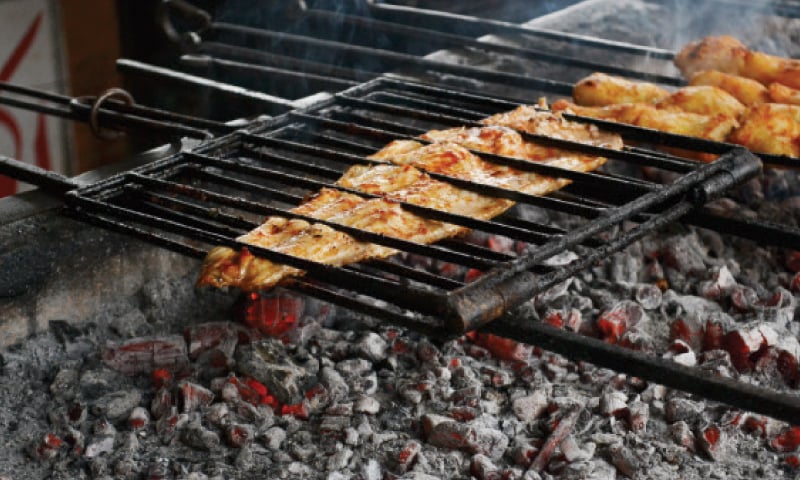
PESHAWAR, Dec 21 (APP): As torrential rains lashed parts of Khyber Pakhtunkhwa on Sunday, plunging temperatures down across the province, the sizzling aroma of grilled fish and chappli kabab once again became a source of comfort for residents and visitors of the province.
With the weather turning bitterly cold and damp due to rains since Saturday night, food lovers flocked to the city’s iconic eateries at historic Qissa Khwani Bazaar and Namak Mandi, seeking warmth in steaming plates of freshly grilled fish, spicy chappli kabab, sekh kabab and cups of traditional qehwa (green tea).
Many residents were seen packing parcels for family members back home, turning food into a shared shield against the winter chill.
Known as the City of hospitality, Peshawar has long been a magnet for tourists and culinary enthusiasts eager to savor its famed delicacies.
From mouthwatering chappli kabab and aromatic Peshawari pulao to winter-special trout fish brought from Malakand, Hazara, Punjab and Karachi, the city’s food culture comes alive every winter.especially when rain and cold grip the historic valley.
Strolling through the bustling lanes of Qissa Khwani and Namak Mandi, visitors find it hard to resist the aroma scent of trout, carp fish and kababs sizzling over open flames, served with spicy chutneys and hot qehwa well into the night.
“The tantalising aroma of trout and carp fish, chappli kabab, chicken corn soup, and traditional gajar halwa always draws me here in winter,” said Dr. Ejaz Khan, a professor of Economics from Nowshera district, while speaking to APP.
“This is my 5th visit to Qissa Khwani this winter. A trip to Peshawar feels incomplete without enjoying chappli kabab and grilled fish with green tea in this historic bazaar.”
Qissa Khwani literally meaning “Bazaar of Storytellers” has a documented history spanning nearly 3,000 years. Once a resting point for traders traveling between Central Asia and the Subcontinent, it echoed with tales of distant lands, cultures and civilizations shared over food and tea. Even today, the spirit of storytelling lingers amid the clatter of dishes and chatter of diners.
Visitors often combine their culinary journey with sightseeing, exploring landmarks such as Bala Hisarfort, Ghanta Ghar and the beautifully carved wooden houses of Mohalla Sethian before returning to Qissa Khwani for a warm winter dinner and night stay.
Meanwhile, Ghanta Ghar that is Peshawar’s major fish trade hub also witnessed a surge in customers as seafood lovers crowded the market. The ongoing cold wave has boosted demand for varieties such as mushka, rahu, simon, pomfret, mahseer and even lobsters.
Bakht Ali, a fish outlet owner at Ghanta Ghar, said fresh trout stocks were brought from Swat and Mansehra as a special winter offering.
“Trout preparation is simple but precise,” he explained. “After proper washing and cutting, the fish is marinated with spices, pomegranate seed powder and salt for about two hours before being cooked on a medium flame. This ensures the taste and colour remain intact.”
The famous dish is served with naan, chips, salad and chutneys which is an irresistible combination on cold, rainy evenings.
Enjoying trout with friends at Ring Road, Riaz Khan from Pabbi Nowshera said the fish was his favourite winter food.
“As a child, I used to visit Swat in winter to enjoy fresh trout amid snowfall. This year, I didn’t travel because the same grilled and baked trout is easily available in Peshawar,” he said.
Medical experts also endorse fish consumption during winter. Dr. Riaz Malik, medical specialist at Govt hospital Pabbi, said cold weather increases strain on the heart, lungs and joints, particularly among children and the elderly.
“Fish is an excellent source of protein, omega-3 fatty acids, vitamins and minerals,” he noted, adding that it improves digestion, relieves joint pain and protects the skin from dryness.
The surge in demand has brought prosperity to trout farmers as well. Usman Ali, General Secretary of the Swat Trout Fish Farming Association, said winter sales had significantly boosted the livelihood of farmers.
“About 150 trout farms operate in Swat, employing nearly 2,500 people. One kilogram of trout sells for Rs 2,000 to Rs 2,500 in the open market,” he said, calling trout farming a highly profitable venture and demanded interest free loans to trout farmers.
Officials from the Fisheries Department told APP that under various government initiatives, including the Trout Village Project and cold-water fisheries development schemes, dozens of trout farms and hatcheries have been established in Malakand and Hazara divisions. A model hatchery in Upper Swat now produces up to six million fish seeds annually.
With several projects nearing completion, fish production in Khyber Pakhtunkhwa is expected to rise from 400 to 740 metric tons by 2026 ensuring that as winters grow colder, Peshawar’s centuries-old tradition of warming hearts through food continues to thrive.