At UN, Pakistan demands Israel end illegal settlement activity, respect international law
At UN, Pakistan demands Israel end illegal settlement activity, respect international law
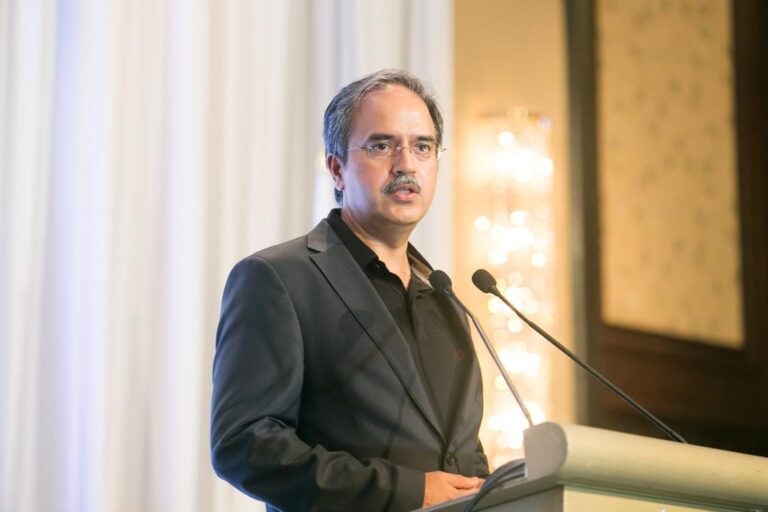
UNITED NATIONS, Dec 17 (APP): Pakistan Tuesday called for a halt to the dramatic increase in illegal Israeli settlements in the occupied Palestinian territories in accordance with UN Security Council Resolution 2334 (2016).
“Any attempt to alter the demographic, legal or historical character of the occupied territories, including around Al-Haram Al-Sharif, is illegal and must be reversed,” Ambassador Asim Iftikhar Ahmad, permanent representative of Pakistan to the U.N., said in the course of the quarterly debate on Council resolution 2334, which demands Israel cease settlement activity in Palestinian lands.
The Pakistani envoy stressed that no Security Council resolution can be unilaterally declared “outdated” as he strongly rejected Israel’s refusal to abide by Resolution 2334.
“No resolution of the Security Council can be unilaterally declared outdated; They remain relevant and in force, until they are implemented,” he added.
“The Palestinian people have endured decades of illegal occupation marked by dispossession, and denial of their inalienable rights,” Ambassador Asim Ahmad told the Council, while reaffirming Pakistan’s support to Palestinian people’s inalienable right to self-determination through the establishment of an independent, sovereign State of Palestine.
“Pakistan’s position remains principled and consistent.”
US President Donald Trump’s leadership and persistent efforts resulted in the Peace Plan and the Sharm El-Sheikh Summit, mobilizing regional and international actors around urgent priorities, namely: ending the bloodshed, maintaining the ceasefire, responding to the humanitarian catastrophe, reuniting families with detainees and hostages, and reopening a credible political process towards Palestinian self-determination and statehood, he said.
“The ceasefire must be fully respected, with no unilateral military actions,” the Pakistani envoy said, adding, “The withdrawal of Israeli forces from Gaza remains essential.”
Ambassador Asim Ahmad also joined other speakers in condemning the storming of UNRWA’s headquarters in Occupied Jerusalem, saying the agency’s role in helping Palestinians remains crucial and “cannot be allowed to be undermined by unwarranted and unfounded criticism.”
Emphasizing the need for sustaining the momentum generated at Sharm El-Sheikh, he said the central role of the Palestinian Authority is indispensable.
The Pakistani envoy also called for guaranteeing full, safe and unimpeded access to provide humanitarian aid to besieged Palestinians.
Reconstruction of the devastated Gaza should begin without delay, with no annexation, forced displacement or fragmentation of occupied Palestinian land. he said.
“Accountability is indispensable, as without justice and respect for international law, there can be no durable peace,” Ambassador Asim Ahmad added.
Finally, he emphasized that a time-bound and irreversible political process, anchored in relevant UN resolutions, must lead to the establishment of a sovereign, independent and contiguous State of Palestine on the basis of pre-1967 borders, with Al-Quds Al-Sharif as its capital.
“That is the least guarantee for durable peace and stability in the region.”
At the outset, Ramiz Alakbarov, Deputy Special Coordinator for the Middle East Peace Process, provided an update on Council resolution 2334 (2016).
Speaking from Jerusalem, Alakbarov urged Israel and Hamas to fully implement the ceasefire, exercise maximum restraint, and adhere to international law, including relevant UN resolutions.
“The ceasefire must be consolidated to enable recovery and reconstruction in Gaza,” he said.
Meanwhile, winterization efforts are underway, and the UN is distributing tents, blankets and other essential supplies to the population. Still conditions remain dire, and the risk of hypothermia is increasing.
“Tragically, the first hypothermia-related death of a two-week-old newborn boy from Khan Younis was confirmed earlier today,” he said.
The UN official stressed that “preserving and expanding operational space for the UN and its humanitarian partners, including through the renewal of NGO registration, is critical.”
Alakbarov expressed deep concern over the humanitarian situation in the enclave.
“While hunger has improved due to increased aid and commercial foodstuffs, key protein sources remain out of reach for most of the population, alongside severe shortages of clean water, medical care, and shelter,” he said.
As humanitarian access remains restricted, with aid convoys facing logistical and security obstacles, Alakbarov called on all parties to allow the full, unimpeded entry of humanitarian assistance.
APP/ift