ISLAMABAD, Dec 08 (APP): As developing nations grapple with mounting pressures from climate change, energy crises, and public health emergencies, international experts convened at the OIC-COMSTECH Secretariat Monday to address a critical question: How can science, technology, and innovation policies move from paper promises to tangible solutions? The international conference on "Strengthening STI Policy Implementation for Achieving the SDGs: Challenges and Pathways to Solutions" brought together academics, researchers, policymakers, and …
COMSTECH hosts global conference as developing nations race to bridge STI implementation gap
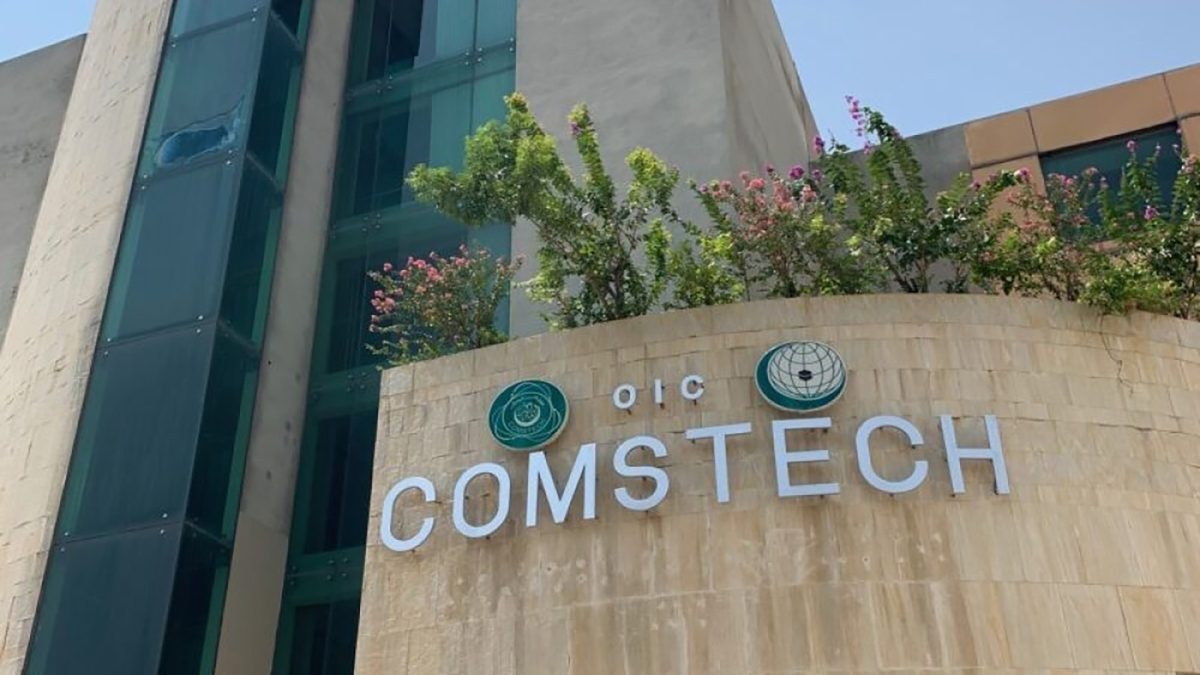
ISLAMABAD, Dec 08 (APP): As developing nations grapple with mounting pressures from climate change, energy crises, and public health emergencies, international experts convened at the OIC-COMSTECH Secretariat Monday to address a critical question: How can science, technology, and innovation policies move from paper promises to tangible solutions?
The international conference on “Strengthening STI Policy Implementation for Achieving the SDGs: Challenges and Pathways to Solutions” brought together academics, researchers, policymakers, and students from across Pakistan and abroad, with numerous participants joining virtually. Jointly organized by OIC-COMSTECH and COMSATS University Islamabad, the gathering spotlighted the widening gap between policy formulation and real-world implementation across developing countries.
Speaking on behalf of Coordinator General OIC-COMSTECH Prof. Dr. M. Iqbal Choudhary, Adviser Science Policy Prof. Dr. Mudassir Asrar painted a sobering picture of the challenges facing developing nations. “The growing pressures of climate change, food and energy insecurity, and public-health vulnerabilities demand that we strengthen our national science, technology, and innovation systems,” she emphasized, noting that COMSTECH’s mandate centers on fostering cooperation, building technical capacity, and supporting member states through training, research mobility, and knowledge-sharing initiatives.
Dr. Asrar stressed that more coordinated, mission-oriented STI approaches are essential for achieving sustainable development across the OIC region.
The conference featured themed sessions examining the persistent disconnect between ambitious STI strategies and on-the-ground results. Dr. Hammad Omer from COMSATS University presented conceptual models for aligning STI policies with the Sustainable Development Goals, while Dr. Kalsoom Sumra reviewed continental policy frameworks and their applicability to developing regions.
Addressing innovation ecosystems, Prof. Dr. Muazzam Khattak of Quaid-i-Azam University called for stronger support for youth entrepreneurship. Dr. Tariq Mahmood Ali of the Health Services Academy underscored the critical need for evidence-based research to drive policy decisions.
Dr. Ismaila Diallo, Regional Advisor for OIC-Africa, outlined recurring institutional and financial constraints hampering STI policy implementation across OIC countries. Adding another dimension to the discussion, Dr. Javeria Ambreen of COMSATS University highlighted persistent gender disparities within STI institutions, calling for greater inclusion of women in science and technology sectors.
International perspectives enriched the dialogue, with Dr. Mitra Aminlou from Iran’s National Research Institute for Science Policy sharing examples of both successful initiatives and instructive failures. Dr. Khaleel Malik from the University of Manchester, UK, explored how university-industry collaboration can strengthen innovation capacity in developing economies.
In the concluding session, Dr. Diallo presented a draft framework designed to support OIC member states in developing and executing more effective STI policies. Conference participants acknowledged that while many countries have formulated national STI strategies on paper, significant implementation gaps persist—requiring stronger institutional support and broader stakeholder engagement to translate ambition into achievement.