ISLAMABAD, Dec 07 (APP):Chairperson of the Benazir Income Support Programme (BISP), Senator Rubina Khalid Sunday emphasized the importance of cultural preservation for future generations. In a heartfelt message on Sindh Culture Day, Senator Khalid extended warm congratulations to the entire nation, describing Sindh Culture Day as a celebration of centuries-old traditions that continue to promote peace and harmony. "Sindhi culture represents the very essence of love, tolerance, and brotherhood," Senator …
BISP Chairperson emphasizes preservation of cultural identity and values
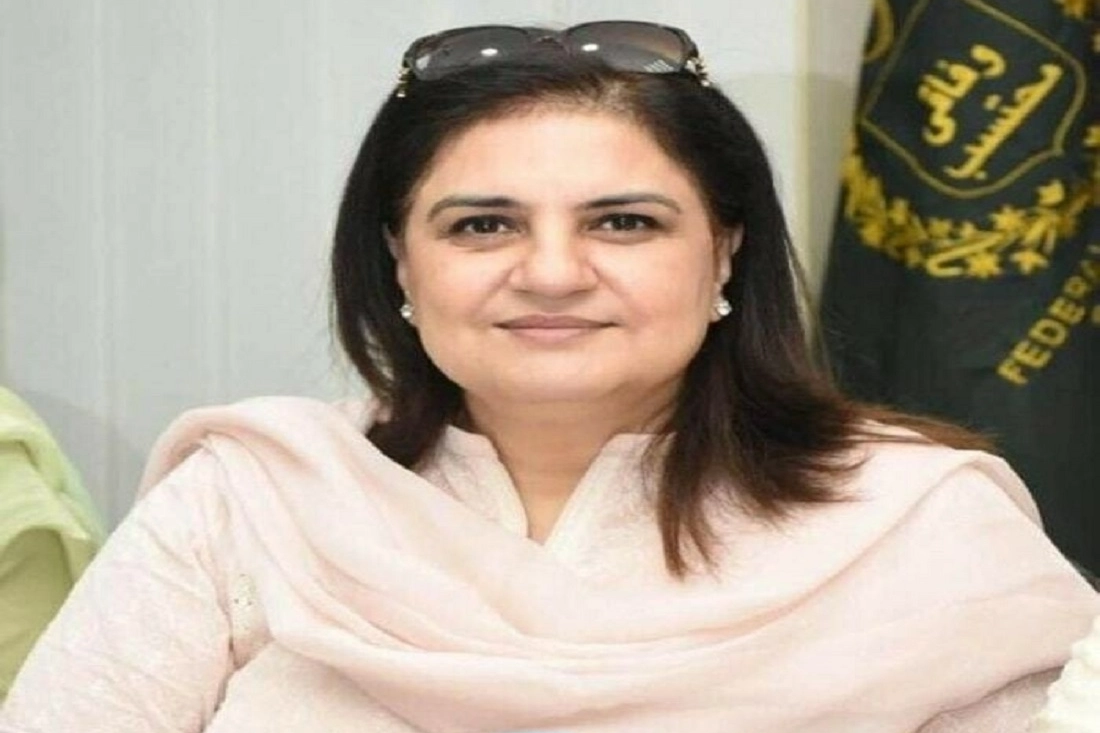
ISLAMABAD, Dec 07 (APP):Chairperson of the Benazir Income Support Programme (BISP), Senator Rubina Khalid Sunday emphasized the importance of cultural preservation for future generations.
In a heartfelt message on Sindh Culture Day, Senator Khalid extended warm congratulations to the entire nation, describing Sindh Culture Day as a celebration of centuries-old traditions that continue to promote peace and harmony.
“Sindhi culture represents the very essence of love, tolerance, and brotherhood,” Senator Khalid stated. “It stands as a bright beacon of our national identity, reflecting values that unite us as a nation.”
The Senator particularly highlighted the iconic symbols of Sindhi culture, noting that the Ajrak and Sindhi Topi are not merely traditional items but represent the pride and identity of both Sindh and Pakistan as a whole.
Senator Khalid praised the Sindh provincial government’s ongoing initiatives to promote and preserve Sindhi culture, describing these efforts as commendable and necessary for maintaining the province’s cultural legacy.
“The culture of Sindh conveys a powerful message of unity, solidarity, and progress,” she emphasized. “These values are essential for our collective advancement as a nation.”
Addressing the challenge of modernization, Senator Khalid stressed the critical importance of connecting younger generations with their cultural roots. “Engaging our youth with their cultural heritage is not just important—it is the need of the hour,” she stated. “We must ensure that the rich traditions of Sindh are passed down and cherished by future generations.”
Concluding her message, the BISP Chairperson reflected on Sindh’s historical contribution to Pakistan’s cultural landscape. “The land of Sindh has always been a cradle of love and peace, fostering harmony and cultural richness throughout history,” Senator Khalid said.
The Sindh Culture Day celebrations across the province featured traditional music, dance performances, cultural exhibitions, and gatherings where people donned traditional Ajrak and Sindhi caps in a vibrant display of cultural pride and unity.