PESHAWAR, Dec 05 (APP): Sarhad Chamber of Commerce and Industry (SCCI) termed the government’s move to abolish 0.25 percent export development surcharge (EDS) as good decision to boost exports and to ease exporters' cost pressure besides enhancing competitiveness in the global market. Junaid Altaf, President, Muhammad Nadeem, Senior Vice President, Sabir Ahmad Bangash, Vice President and Members of the entire executive committee of the SCCI in a joint statement here …
SCCI welcomes abolishment of Export Development Surcharge
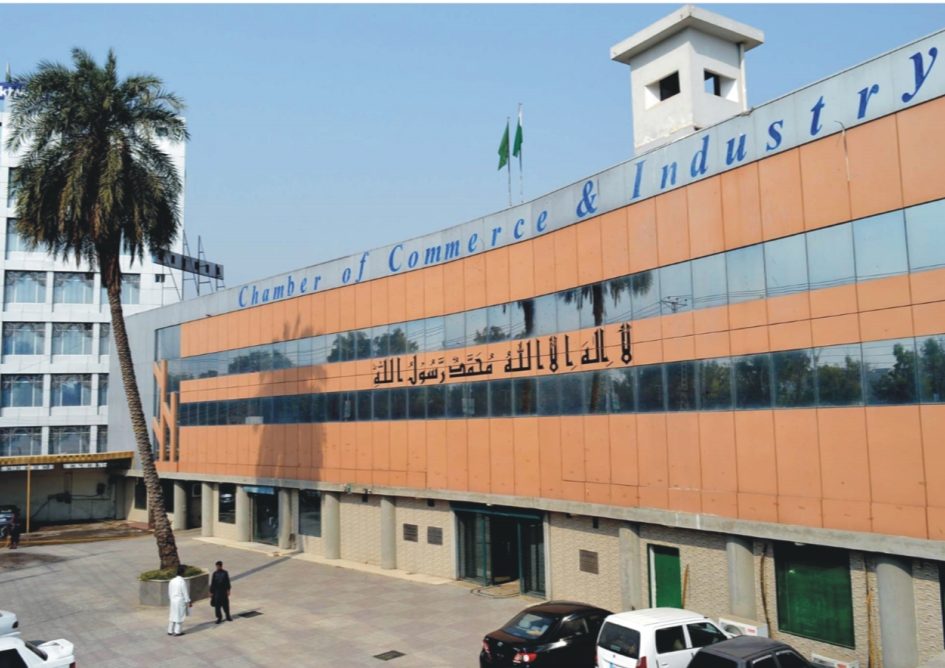
PESHAWAR, Dec 05 (APP): Sarhad Chamber of Commerce and Industry (SCCI) termed the government’s move to abolish 0.25 percent export development surcharge (EDS) as good decision to boost exports and to ease exporters’ cost pressure besides enhancing competitiveness in the global market.
Junaid Altaf, President, Muhammad Nadeem, Senior Vice President, Sabir Ahmad Bangash, Vice President and Members of the entire executive committee of the SCCI in a joint statement here on Friday said, it is highly welcoming to stop collection of export development surcharge after 35 years, stating that a major step toward streamline the export procedures, promote industrial growth, and encourage value-added trade.
The government’s move will provide essential relief to exporters and support competitiveness in global markets, they hoped.
President Junaid Altaf remarked that the instance withdrawal of the EDS and implementation of the decision showed the will and commitment of the government of Pakistan to reduce [the] cost of doing business while providing an enabling environment for investors and exporters.
SCCI chief continued to say that businessmen and exporters of the Khyber Pakhtunkhwa saw the decision as an extremely commendable achievement of the incumbent government and expressed hope that the business-friendly decisions will be implemented across the board to enhance trade, economic and commercial activities.
Touching upon a disproportionately high tax burden on export-oriented businesses, President Junaid Altaf stated that exporters face significantly higher taxes compared to the domestic industry.
He urged the government to provide maximum facilitates to exporters and steps to effectively promote and showcase the Pakistani manufacturing products across the global markets.
President Junaid Altaf stressed pragmatic steps for simplifying the present tax-system, implementation of the government’s decision to bring down electricity tariff to eight cents, reforms in the power sector, and formation of National Industrial Policy (NIP) in consultation with chamber and relevant stakeholders.
SCCI chief highlighted the borders, administration and operational related issues, stating that the frequent closure of borders had not only brought negative impacts on the country’s exports but also hinder the government’s efforts to stabilize the national economy.
He urged the government and stakeholders to open the border for trade to prevent the both side traders from further monetary losses.