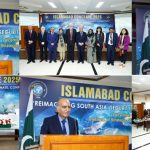
ISLAMABAD, Dec 5 (APP): Experts at the International Symposium on “Halal Science and Wellness” Friday underscored the urgent need for harmonized global Halal standards, scientifically validated testing methods and the adoption of advanced technologies such as molecular analysis, blockchain traceability, and AI-enabled risk assessment. Organized jointly by COMSTECH and the Embassy of Thailand, the symposium brought together leading scientists, diplomats, policymakers, and regulatory authorities from across the Muslim world to …
COMSTECH–Thailand Symposium calls for unified Halal standards, advanced testing and technological innovation
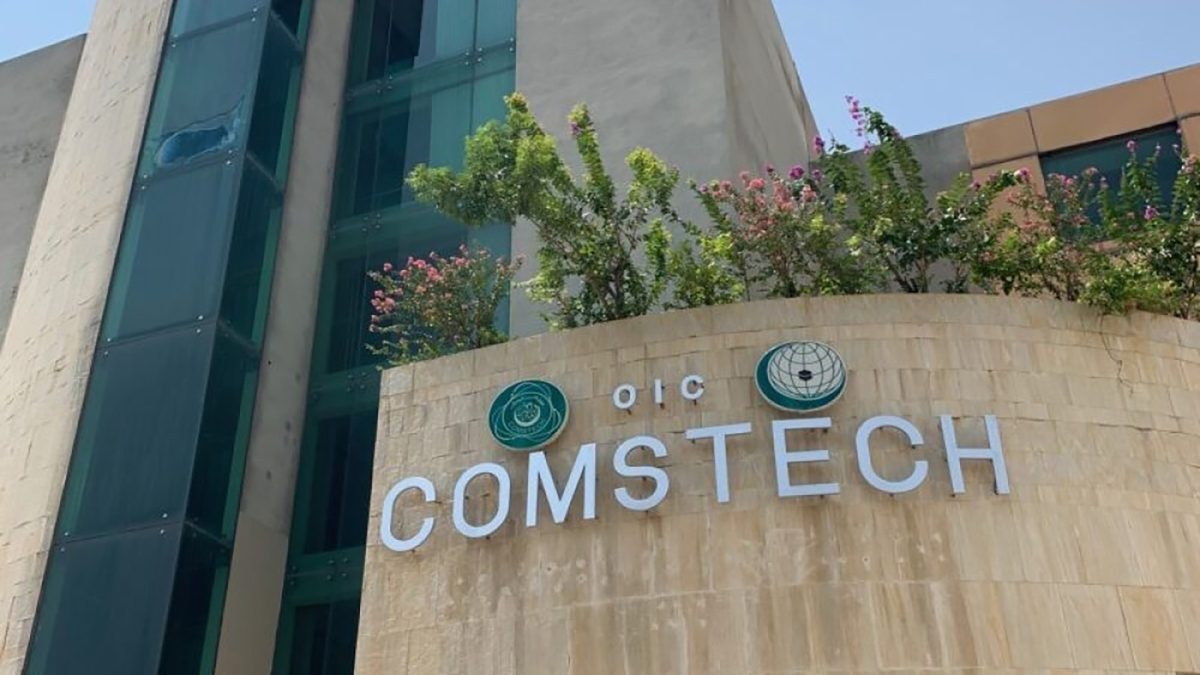
ISLAMABAD, Dec 5 (APP): Experts at the International Symposium on “Halal Science and Wellness” Friday underscored the urgent need for harmonized global Halal standards, scientifically validated testing methods and the adoption of advanced technologies such as molecular analysis, blockchain traceability, and AI-enabled risk assessment.
Organized jointly by COMSTECH and the Embassy of Thailand, the symposium brought together leading scientists, diplomats, policymakers, and regulatory authorities from across the Muslim world to chart a stronger, more credible future for the global Halal ecosystem.
Coordinator General COMSTECH, Prof. Dr. M. Iqbal Choudhary formally opened the session, highlighting the rapid expansion of the Halal industry which is now valued at over USD 1.3 trillion. He called for unified standards, strengthened laboratory capacity, and enhanced scientific collaboration, noting Pakistan’s growing partnership with Thailand in the Halal sector.
Thai Ambassador Mr. Rongvudhi Virabutr, serving as chief guest, emphasized that emerging technologies such as contamination detection tools, molecular analysis, and AI-driven systems can significantly improve the integrity and efficiency of Halal certification.
Prof. Ihsan Ovut, Secretary General of SMIIC, stressed that globally harmonized Halal standards, developed through expert guidance, are vital for ensuring consistency, credibility, and trust in international markets.
The symposium gathered more than 30 foreign delegates from Iran, Somalia, Palestine, Indonesia, Malaysia, Thailand, Uganda, Bangladesh, Benin, Cameroon, Gabon, Côte d’Ivoire, and Senegal, alongside a strong representation from Pakistan.
Prof. Choudhary highlighted SMIIC’s crucial role in Halal standardization and shared that COMSTECH and SMIIC have jointly conducted five regional training programs across Uzbekistan, Uganda, Bangladesh, Morocco, and Pakistan, training over 300 laboratory professionals in Halal standards and testing.
He also announced a major Islamic Development Bank–supported project: the establishment of a Halal Authentication Laboratory at the Islamic University in Uganda (IUIU), which will become operational early next year and serve several East African countries. The new scholarship programs in Halal Science were also revealed.
The key speakers included Prof. Dr. Pornpimol Mahamad, Director of the Halal Science Centre, Chulalongkorn University, Thailand, and Mr. Akhtar A. Bughio, Director General Pakistan Halal Authority.
A significant highlight was the signing of an MoU between COMSTECH and the Halal Science Centre, Chulalongkorn University, aimed at strengthening collaboration in scientific research, capacity building, and Halal science development.
The session concluded with a group photo followed by technical presentations and expert discussions on Halal testing, standards, and global trends.