ISLAMABAD, Dec 03 (APP):The Chief Justice of Pakistan and the Chairman of the National Judicial (Policy Making) Committee (NJPMC) has reiterated the judiciary’s firm commitment to building a citizen-centric, transparent, and equitable justice system, emphasizing that the integration of modern technology is no longer optional but essential for delivering accessible and efficient justice across the country. The Chief Justice of Pakistan expressed these views while addressing participants at the Consultative …
SC reaffirms commitment to citizen-centric justice system
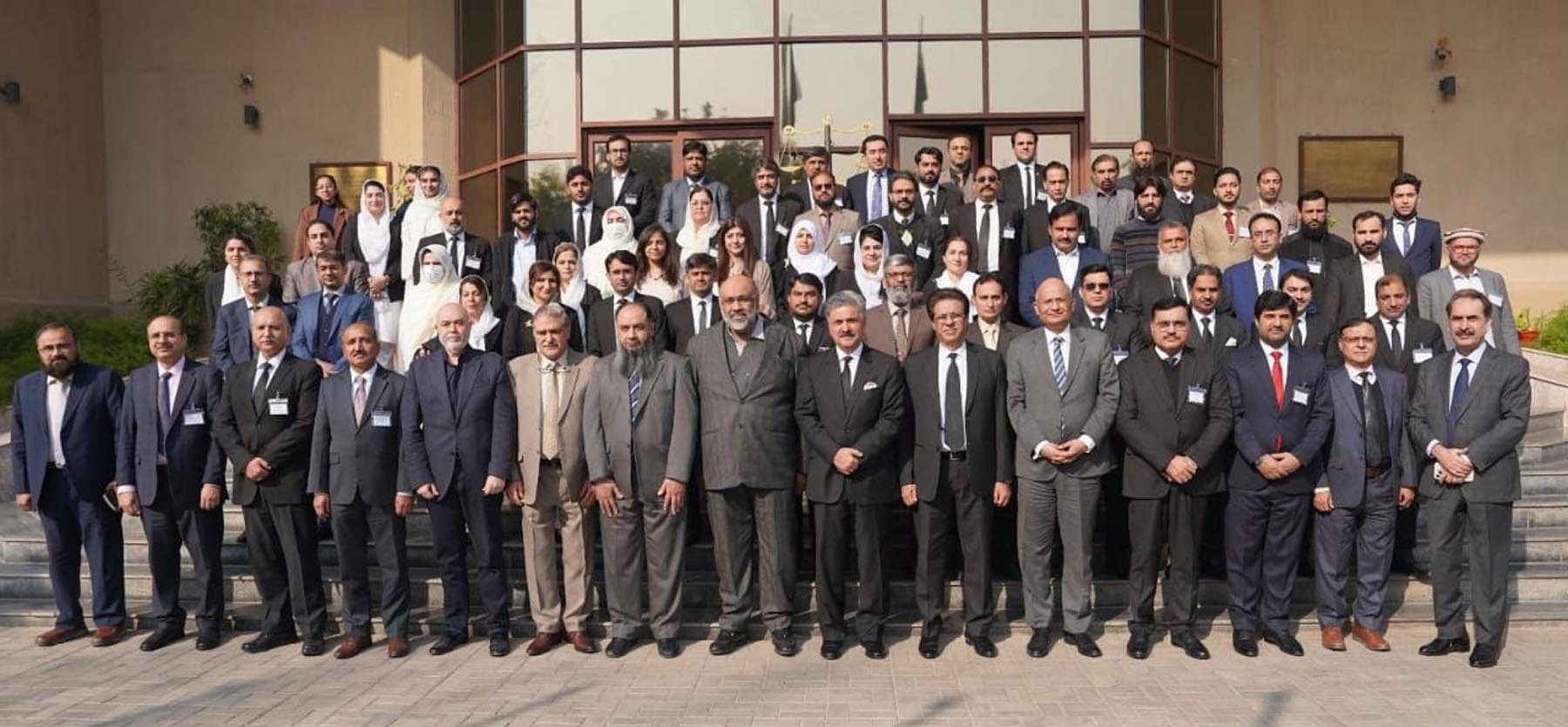
ISLAMABAD, Dec 03 (APP):The Chief Justice of Pakistan and the Chairman of the National Judicial (Policy Making) Committee (NJPMC) has reiterated the judiciary’s firm commitment to building a citizen-centric, transparent, and equitable justice system, emphasizing that the integration of modern technology is no longer optional but essential for delivering accessible and efficient justice across the country.
The Chief Justice of Pakistan expressed these views while addressing participants at the Consultative Workshop on “National E-Court Reform Agenda: Requirements and Challenges,” held at the Federal Judicial Academy, Islamabad. The event brought together Justice Muhammad Ali Mazhar, Judge, supreme Court of Pakistan, Secretary, Ministry of Information Technology and Telecommunication, Chairman of the Pakistan Digital Authority, Secretary, National Commission on Status of Women, Secretary, law and Justice Commission of Pakistan, Registrars of the Supreme Court and all High Courts, IT experts, and senior Judicial Officers from across Pakistan to deliberate on the national digital transformation agenda for Pakistan’s judiciary.
The Chief Justice highlighted the pivotal role of the National Judicial Automation Committee (NJAC), chaired by Justice Muhammad Ali Mazhar, in spearheading the digital transformation of the judiciary. He noted that the NJAC, functioning under the NJPMC, provides the institutional backbone for harmonizing digital initiatives across all courts in Pakistan.
Earlier during the workshop, the Registrars of the High Courts and members of the Pakistan Digital Authority presented detailed assessments of the existing technological landscape, digitization progress, and the challenges faced by courts at various tiers. Their presentations focused on establishing an integrated national e-court ecosystem, developing a unified digital master plan, and promoting interoperability among judicial institutions.
The workshop concluded with a roadmap for next steps, including detailed system-requirements gathering, user-centred design sessions, and the development of a national digital justice framework under the guidance of the NJPMC and NJAC.