ISLAMABAD, Dec 03 (APP): Chair of the Senate Standing Committee on Climate Change, Senator Sherry Rehman, Wednesday called for an urgent national shift toward sustainable, circular and climate-resilient construction, warning that Pakistan’s current development trajectory is placing the country at heightened climate and urbanization risk. Speaking at the Pakistan Sustainability Summit in Islamabad, Senator Rehman said the country was “at a critical juncture” in terms of climate vulnerability and unchecked …
Pakistan faces 49pc cement emissions, 88pc urban expansion: Sherry Rehman
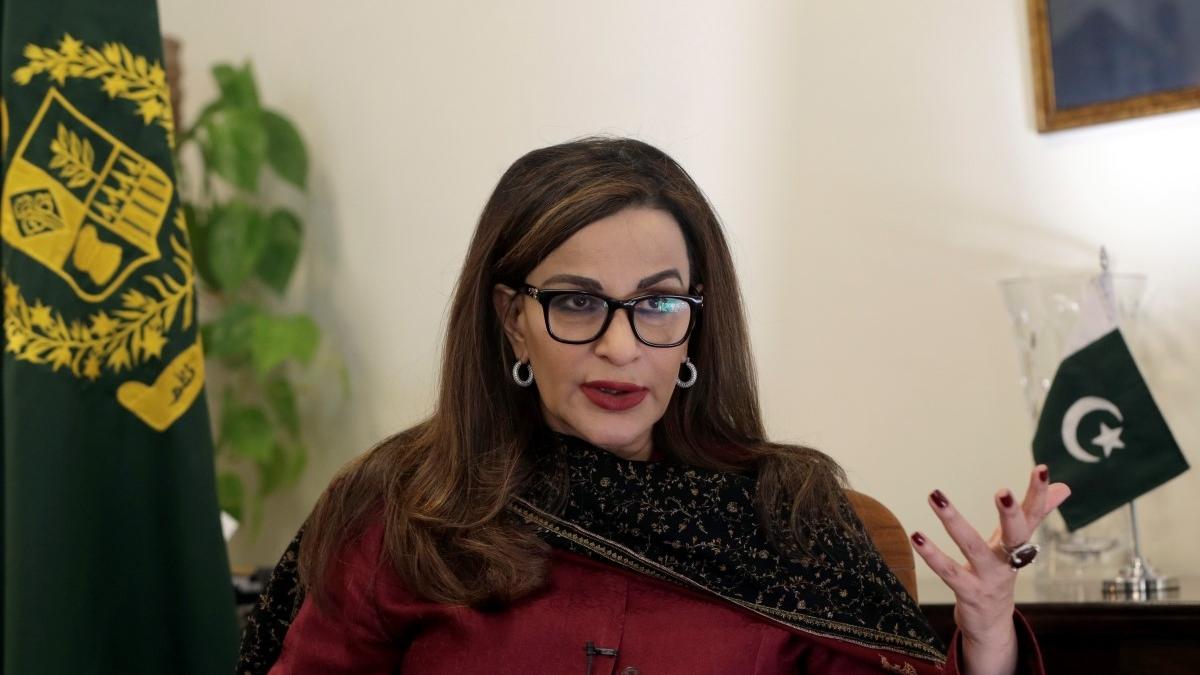
ISLAMABAD, Dec 03 (APP): Chair of the Senate Standing Committee on Climate Change, Senator Sherry Rehman, Wednesday called for an urgent national shift toward sustainable, circular and climate-resilient construction, warning that Pakistan’s current development trajectory is placing the country at heightened climate and urbanization risk.
Speaking at the Pakistan Sustainability Summit in Islamabad, Senator Rehman said the country was “at a critical juncture” in terms of climate vulnerability and unchecked urban expansion.
Despite Pakistan having Green Building Codes, she said implementation remained “extremely low”, even as the country ranked as the most climate-impacted nation in the Climate Risk Index 2025.
Highlighting the scale of the challenge, she noted that 38 per cent of Pakistan’s total energy-related CO2 emissions come from industry, while the cement sector alone contributes 49pc of national emissions. “A shift in construction practices is no longer optional; it is essential for survival,” she said.
Senator Rehman said Pakistan’s rapid urbanization demanded immediate policy reform.
Citing the World Urbanization Report, she said 39pc of Pakistan’s population is officially urban, but this figure rises to 88pc when density and settlement concentration are considered. Nearly 42pc of the country is now peri-urban, where settlements resemble towns but lack basic systems such as waste disposal.
“Urbanization is happening fast, especially in peri-urban regions,” she said. “These growing settlements lack proper infrastructure and planning. This must be addressed urgently.”
She warned that despite the lessons of the 2022 and 2025 floods, development continued on floodplains and stormwater paths, with private-sector actors still “not alarmed” by the recurring destruction. “A hotel collapsed in seconds during the 2022 floods. Why was construction allowed there? The same failures were repeated in 2025,” she said.
The senator said Pakistan needed to move decisively toward circular construction models, embedding reduce, reuse and recycle principles into building codes.
According to World Bank estimates, she said, circular economy adoption could save Pakistan $1.5–2bn a year by 2030, mainly through reduced material imports and lower landfill costs.
Recycling even half of Pakistan’s construction and demolition (C&D) waste could cut 4–5 million tonnes of CO2 annually, helping the country meet its climate commitments under the Paris Agreement.
A formalized circular construction market, she added, could generate over 200,000 jobs, many accessible to women and youth.
Pakistan generates 49.6 million tonnes of waste annually, with nearly 30pc coming from C&D debris. Yet recycling rates remain negligible. “Globally, only 9pc of plastic is recycled. Pakistan recycles just 1pc,” she said, calling the figures “staggering” given that materials like concrete, steel, bricks and glass can be reused.
She also pointed to alarming waste disposal patterns, including nine million gallons of waste entering Rawal Dam daily.
Senator Rehman noted that Pakistan had made significant progress in renewable energy, driven by what she described as a “rooftop solar revolution”. The country now ranks 6th worldwide in the solar market, she said, climbing from an “inconsequential position” just three years ago. “Our energy supply has exceeded demand. The next step is to innovate for sustainable construction.”
She urged the cement and steel sectors—globally among the most polluting—to adopt sustainable materials and look to models from the Netherlands, Finland and Germany, where by 2050 between 50pc and 100pc of building materials are expected to come from recycled or regenerative sources.
Senator Rehman praised the Sindh People’s Housing for Flood Affectees (SPHF) initiative, which she said was constructing 2.1 million multi-hazard-resistant homes, benefiting more than 15 million people—more than the population of 154 countries.
Of 1.45 million homes under construction, 650,000 have been completed, with nearly 800,000 women as direct beneficiaries, and every title deed issued in a woman’s name.
“This is a historic shift built on transparent systems and inclusive public–private partnerships,” she said.
The senator said Karachi’s emerging circular projects “show real promise”, but stressed the need for national scaling.
She urged the construction industry to adopt clear and measurable sustainability milestones, warning that the country could not continue on its current path.
“We must identify what works best for Pakistan and implement it on a wide and sustainable basis,” she concluded.