
FAISALABAD, Nov 03 (APP): Malnutrition continues to inflict significant losses on Pakistan’s economy, costing billions of rupees through decreased productivity, higher healthcare costs, and lost future earnings due to impaired physical development, said Prof. Dr. Iqrar Ahmad Khan, Chairperson of the Punjab Higher Education Commission (PHEC). He was addressing a seminar titled “Nutrition in a Changing World: Advancing Science in Food and Nutrition,” organized by the Pak Korea Nutrition Center …
Malnutrition inflicting colossal loss to national economy: Dr Iqrar
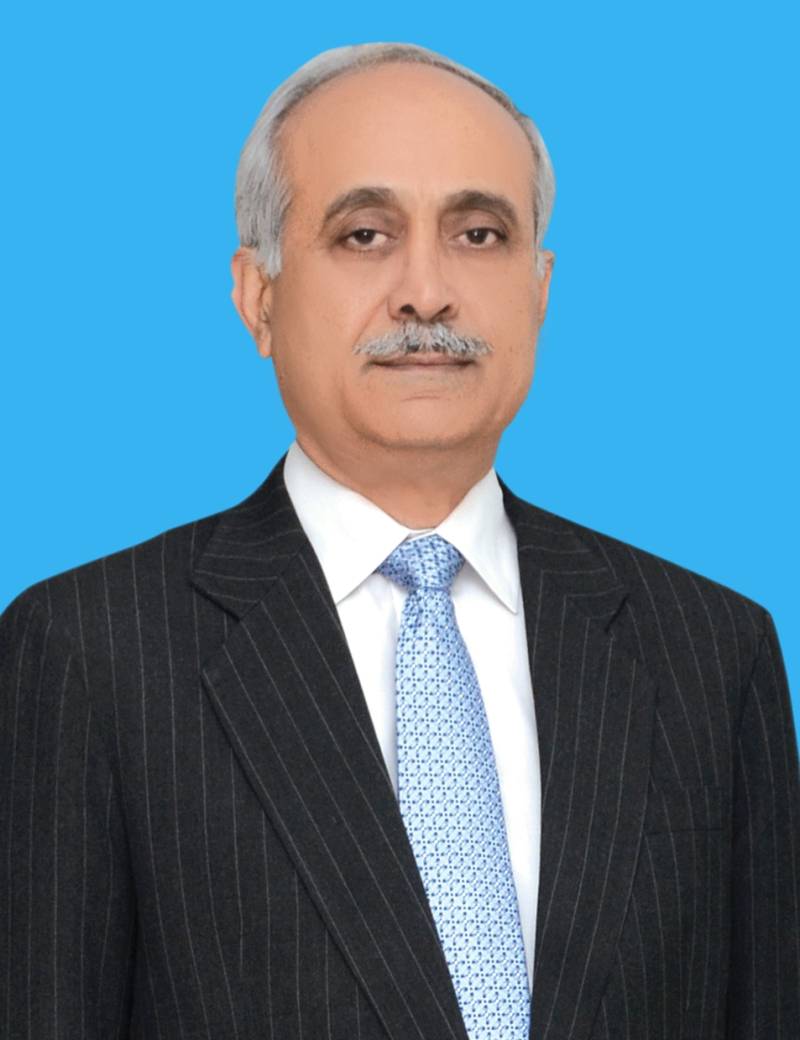
FAISALABAD, Nov 03 (APP): Malnutrition continues to inflict significant losses on Pakistan’s economy, costing billions of rupees through decreased productivity, higher healthcare costs, and lost future earnings due to impaired physical development, said Prof. Dr. Iqrar Ahmad Khan, Chairperson of the Punjab Higher Education Commission (PHEC). He was addressing a seminar titled “Nutrition in a Changing World: Advancing Science in Food and Nutrition,” organized by the Pak Korea Nutrition Center (PKNC) at the University of Agriculture Faisalabad (UAF).
Dr. Khan highlighted the importance of grassroots education and awareness about nutrition to address the issue at a national scale. He pointed out that while advancements in agriculture had led to an increase in per capita calories, poor eating habits and lack of awareness were aggravating the situation, particularly as the country’s population has grown from 35 million in 1951 to an estimated 250 million by 2025.
Dr. Khan expressed concern over the rising number of students skipping breakfast, which he deemed a major contributor to the malnutrition crisis. He commended the efforts of the Pak Korea Nutrition Center, emphasizing that their initiatives would yield tangible results in combating this issue.
UAF Vice Chancellor Prof. Dr. Zulfiqar Ali shared alarming statistics, revealing that 40% of Pakistan’s population is currently suffering from malnutrition, a crisis that is among the largest health challenges in the country. He called for the promotion of healthy lifestyles, balanced diets, and physical exercise. He also praised the Pak Korea Nutrition Center for its work in strengthening healthcare professionals’ capacity and promoting community-based initiatives.
Dr. Ali added that UAF was a pioneer in introducing a Human Nutrition and Dietetics program and was providing training to school teachers, lady health workers, and clinical dietitians to combat malnutrition at the community level.
Country Manager of the Korea International Cooperation Agency (KOICA), Je Ho Yeon, spoke about the strong collaboration between Pakistan and Korea through the PKNC, noting that such partnerships would drive positive change through manpower training, research, and knowledge exchange. He emphasized that improving nutrition education and engaging with communities would lead to a significant improvement in Pakistan’s overall nutrition status.
Project Manager of PKNC, Prof. Dr. Jaehan Kim from Chungnam National University, Republic of Korea, outlined their efforts to ensure sustainable nutrition education through developing teaching materials, creating online resources, and recommending policies for malnutrition improvement. He added that the project was focused on improving nutrition for malnourished children and communities, ensuring long-term, self-reliant solutions.
Dr. Imran Pasha, Dean of the Faculty of Food Nutrition and Home Sciences at UAF, highlighted the significance of the Pak Korea Nutrition Center as a flagship collaboration aimed at advancing research and innovation in nutrition and food science.
Central Project Director of PKNC, Dr. Atif Randhawa, shared that the initiative has developed several mobile apps to increase awareness, including the Survey App, Food Composition App, and Diet Planner. He also mentioned that 35 Master Trainers were trained in South Korea, and 9,717 frontline workers have been trained in Pakistan, impacting nearly 97,000 beneficiaries.
Notable speakers at the seminar also included progressive farmer Sarwat Malik, Director of Home Sciences Dr. Beenish Israr, and FCCI President Farooq Yousuf Sheikh, who all emphasized the importance of nutrition education for a healthier future.
The seminar concluded with a call to action for continued collaboration and effort to tackle the growing malnutrition crisis, with a focus on community engagement, policy advocacy, and education.