ISLAMABAD, Jul 21 (APP): In a bid to build grassroots capacity and cultivate environmental responsibility in underserved urban communities, the Institute of Urbanism (IoU), in collaboration with the Heinrich Böll Stiftung, organized a training workshop on Sustainable Waste Management, to address the issue of uncollected waste—particularly in non-CDA sector areas—which contributes to various health problems. According to the press release issued on Monday, Islamabad generates approximately 1,575 tons of municipal …
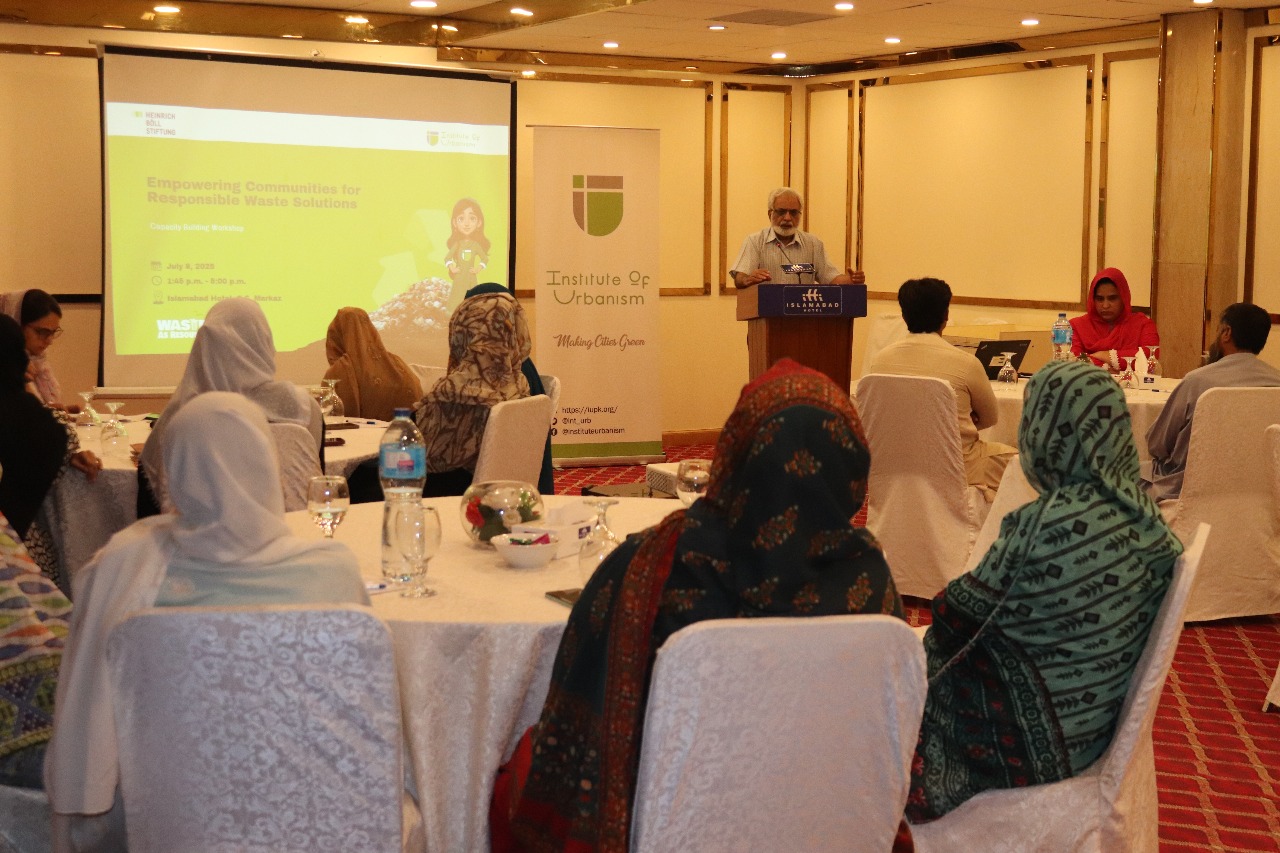
ISLAMABAD, Jul 21 (APP): In a bid to build grassroots capacity and cultivate environmental responsibility in underserved urban communities, the Institute of Urbanism (IoU), in collaboration with the Heinrich Böll Stiftung, organized a training workshop on Sustainable Waste Management, to address the issue of uncollected waste—particularly in non-CDA sector areas—which contributes to various health problems.
According to the press release issued on Monday, Islamabad generates approximately 1,575 tons of municipal waste daily, of which only 650 to 700 tons reach the designated dumping site. The remaining waste is either illegally dumped or openly burned, resulting in severe environmental and health impacts.
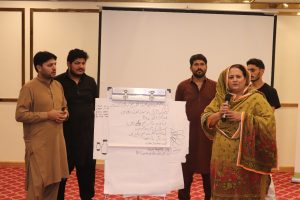
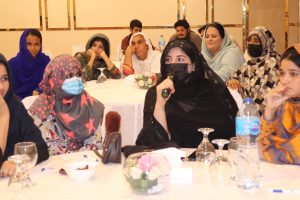
The training specifically engaged residents of Farash Town Students, workers, shopkeepers, social activists, and housewives attended the insightful session, which aimed to equip them with both awareness and practical tools to manage waste sustainably.
Dr. Ejaz Ahmad, Executive Director of IoU, expressed concern over the growing challenge of unregulated waste, calling it an uncontrollable societal issue with long-term health, environmental, and economic consequences.
The sessions were led by Tayyaba Pervaiz (Program Coordinator, IoU) and Aqsa Arshad (Eco Organics). They guided participants through a combination of conceptual learning and hands-on activities.
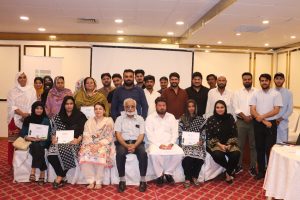
The workshop covered waste segregation through interactive discussions, practical demonstrations, and group exercises. Participants learned about different types of household waste and their potential uses, including composting—how to start it at home and how to scale it to industrial levels. The business side of composting was also explored, highlighting how organic waste can generate income. Circular economy concepts were introduced, with participants developing waste-based micro-business models and reflecting on how to apply them in their own communities.
Shams, a housewife, shared: “From now on, I will segregate waste at home and start composting organic materials.”
Usman, a local tailor, said: “I’ll no longer burn leftover cloth; I see business potential in it.”
Yasmeen Akhtar, a community activist, remarked: “These trainings are crucial for building sustainable communities. We need more of them.”